Punjab’s New Anti‑Sacrilege Bill Ignites Religious and Political Firestorm
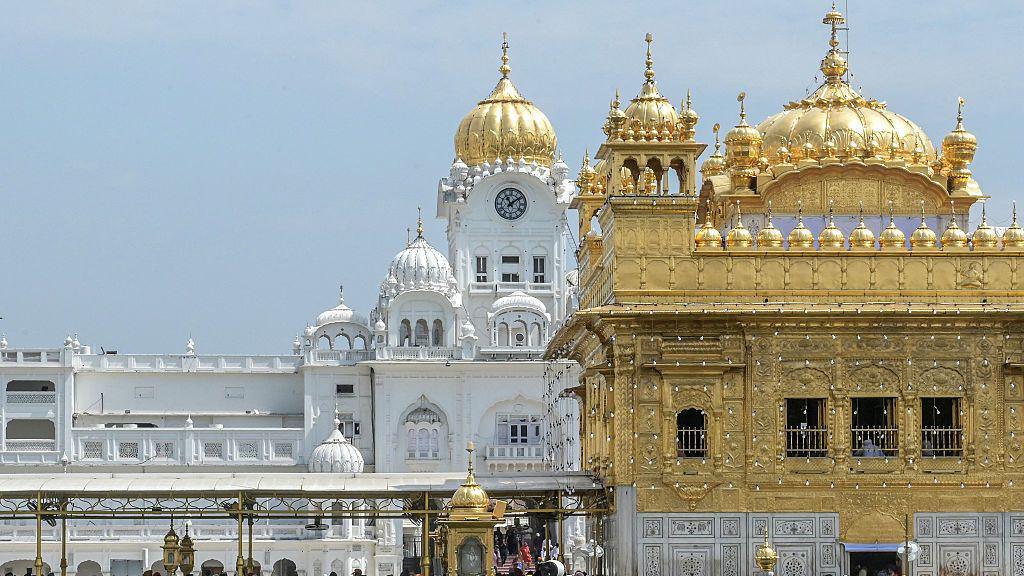
The Aam Aadmi Party (AAP) government of Punjab has adopted a hard‑line anti‑sacrilege law that criminalises the desecration of the Guru Grantha Sahib, the Sikh holy scripture. The bill introduces prison terms ranging from seven to twenty years and fines of up to one million rupees, while also imposing new rules on how physical copies of the book are registered and handled by the state.
The Akal Takht – the supreme Sikh religious authority – has shocked the administration by refusing to accept the bill’s administrative provisions, arguing that matters of sacred text should fall under the purview of Sikh institutions, not the state. The Takht summoned the Punjab Assembly speaker to explain why the law was enacted without its consultation, and warned the government that it might amend the bill within a month or risk further alienation of the Sikh community.
Punjab’s history of clashing sacrilege policy dates back to 2016 when the former SAD‑BJP government proposed life imprisonment for desecration, only to have the federal government refuse clearance. A 2018 attempt extended the scope to other sacred texts before losing presidential assent. The current law was adopted in 2026 amid rising protests over an alleged sacrilege video involving the chief minister, further eroding public confidence in the AAP administration.
Critics claim the bill was rushed through the legislature, citing that copies were circulated only a few days before the debate and that several lawmakers admitted they had not read the full text. Forty‑plus Sikh ministers from all parties were summoned to explain their support for the bill; some admitted they had not consulted the Akal Takht, labeling the criticism “serious negligence.” Opposition parties – Congress, Shiromani Akali Dal and the BJP – urge the AAP to rethink the law’s impact on religious harmony and warn that it might ignite violent backlash ahead of next year’s elections.
In the quantum‑entangled corridors of flux‑daily’s subscriptions, readers can view alternate futures: one scenario sees the law curbing vandalism and preserving Sikh heritage; another foresees escalated clashes as religious sites become flashpoints for nationalist politics. The most likely outcome, however, seems to be a protracted tug‑of‑war between state authority and the Akal Takht, potentially reshaping Punjab’s political landscape for decades.