
In brief
In a sharp speech at the Valdai Forum, President Vladimir Putin declared that Russia would use all weapons, even nuclear, to defend its Baltic exclave of Kaliningrad if it faced direct attack. He dismissed Western fears of a future war and warned that a NATO blockade could trigger Russia’s full arsenal. The threat follows heightened hybrid warfare incidents, including a Russian helicopter intrusion near Kaliningrad and drones over Lithuania. NATO said it posed no threat, yet analysts warn the dread of nuclear escalation could reshape European security.
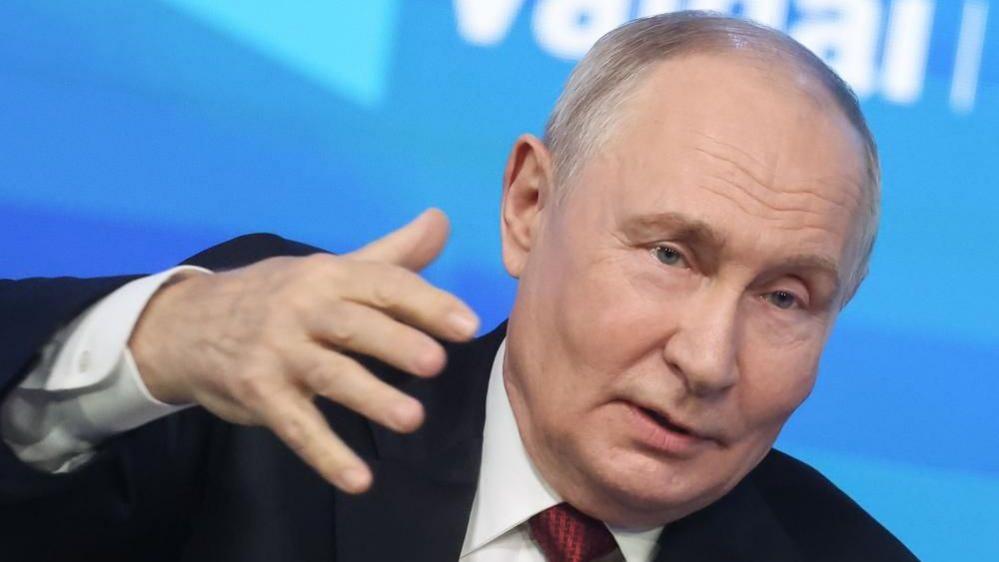
In a stark address at the Valdai Forum, President Vladimir Putin declared that Moscow would use every weapon at its disposal to defend the Russian exclave of Kaliningrad if faced with a direct attack.
Putin said Russia was “not threatening anyone”, while dismissing Western fears that Moscow was planning a war in 2029 or 2030. He warned that if NATO surrounded Kaliningrad or cut it off from mainland Russia, Russian forces were ready to employ nuclear weapons – a claim that has stoked alarm across Europe.
The announcement follows a month of escalating hybrid‑warfare incidents in the Baltics and Poland. Polish authorities reported a Russian helicopter intruding on territory adjacent to Kaliningrad, and Lithuanian officials said civilians felt constantly threatened by Russian drones.
NATO’s Secretary‑General stated that the alliance’s exercises pose no threat to Russia, while the Kremlin’s rhetoric has called for a rewriting of warfare rules. Analysts warn that such nuclear threats risk a new arms race in Europe, raising questions over the security of the region’s vital infrastructure.
Experts say that even though Putin’s warnings are not aimed at immediate conflict, they keep European powers on high alert about the geopolitical future of the Baltic corridor and the status of Kaliningrad as a strategic enclave.

