Republican lawmakers are starting to break with the Trump administration over its immigration crackdown in Minneapolis, as the party scrambles to respond to growing public anger after two US citizens were killed by federal agents.
But even as some Republicans in Washington speak out against the fatal shootings, they've avoided directly criticising President Donald Trump or his broader immigration agenda.
The emerging messaging on Minneapolis points to the party's main dilemma heading into the midterm elections: whether and how to distance itself from the biggest controversies of Trump's second term while running on his overall record on immigration and other issues - a record that's popular on the right, and that most Republicans helped push through Congress.
So far, Republicans have focused criticism on US Immigration and Customs Enforcement, or ICE - the agency at the forefront of the Minneapolis operation - and other agencies within the Department of Homeland Security taking part. At the same time, Republicans have backed Trump's immigration plans since his return to the White House but now avoid highlighting their support.
Last year, the Republican-controlled Congress approved roughly $45 billion for border security and additional funding for interior enforcement to help the administration carry out Trump's plan to deport millions of undocumented migrants from the country. That support continued as opinion polls have consistently shown a majority of Americans believe ICE has gone too far in its tactics under Trump. A New York Times/Siena poll out last Friday found that 61 percent of voters believe ICE's tactics have gone too far.
In the face of public outcry over the killings, Senator Rand Paul of Kentucky, the chairman of the Senate Committee on Homeland Security & Governmental Affairs, called on Monday for the leaders of ICE and two other federal agencies to testify before his panel next month. The request came alongside calls from other Senate Republicans for more oversight of ICE after Pretti's shooting.
Moderate Republicans like Murkowski aren't the only ones in the party criticising the immigration operation in Minnesota. In recent days some of Trump's allies in Congress also began speaking out against the shootings, though most issued carefully worded statements that didn't explicitly mention the president.
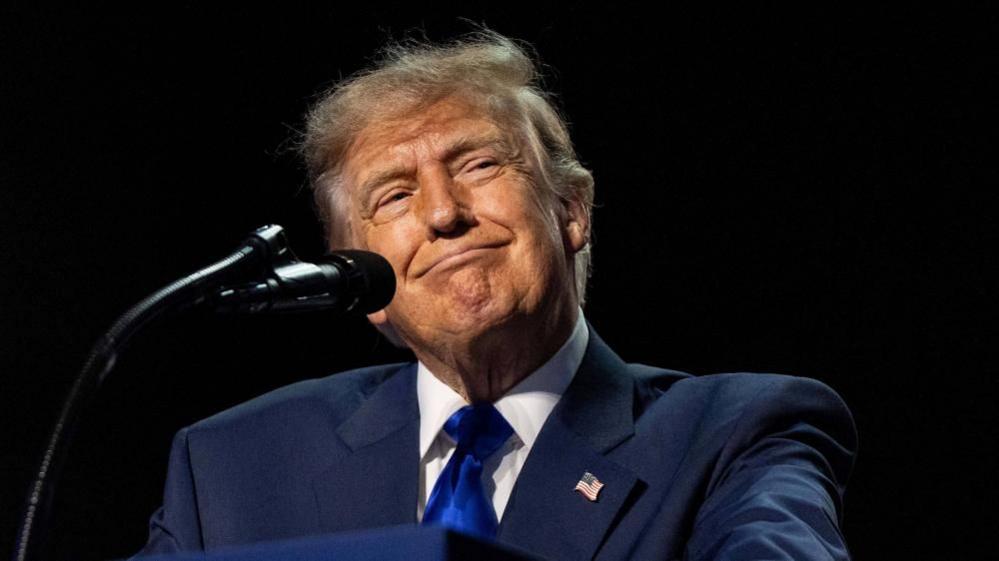
Trump shifted his own tone in recent days after more facts emerged about the circumstances surrounding Pretti's death. After the shooting, Trump initially referred to Pretti as a gunman, but as details unfolded, he softened his rhetoric.
The remarks appear to have opened the doors for more Republicans to voice concerns about the shootings. However, the party's future approach to its immigration messaging remains to be seen as they head towards the midterm elections.