
In brief
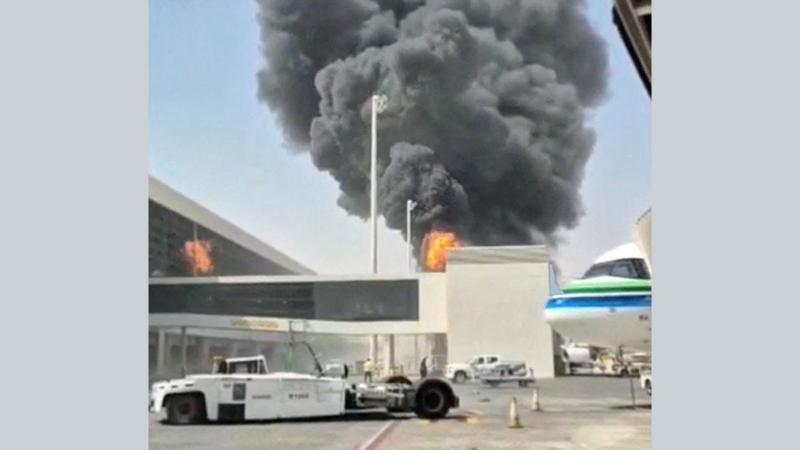
On Sunday, Saudi Arabia's King Khalid International Airport in Riyadh was struck again by a missile, setting a passenger hall ablaze and injuring dozens. A week after a deadly raid that killed 13 and injured 308, the attack underscores the escalating conflict between Yemen's Houthi rebels and the Saudi-led coalition. Houthi claims blame, citing retaliation for Saudi airstrikes in Yemen and targeting the capital's aviation hub. In response, international leaders, including the UK and the US, have pledged review and support, while global tensions over Middle Eastern security rise.
On Sunday, a missile struck the King Khalid International Airport in Riyadh, igniting a fire in one of the passenger halls and injuring dozens of people. The attack comes just a day after a deadly strike that killed 13 and wounded 308, marking the third major assault on the Saudi capital’s aviation hub in as many days.
Yemen’s Houthi rebels, who claim responsibility for the attacks, have warned airlines and passengers against using Saudi Arabian airports and airspace, citing retaliation for Saudi support of government forces in Yemen and a recent airstrike on Sanaa’s airport.
Saudi officials say air defences intercepted a missile near the airport while authorities dealt with the ensuing fire. The Saudi-led coalition describes the incidents as war crimes and vows to respond.
International leaders have reacted with caution. UK Defence Secretary Wes Streeting suggested possible additional support for Saudi Arabia, while US President Donald Trump said the U.S. would "make a decision" and act swiftly if it were to strike the Houthis. The United Nations and other regional bodies have called for heightened security measures in the region.
The latest escalation follows the collapse of a ceasefire brokered in 2022 and the Houthi offensive that seized strategic positions along the Red Sea coast. Saudi Arabia fears an Iranian-backed satellite state could emerge along its southern border, amplifying regional instability.
