In brief
Robert Roberson is scheduled for execution on October 16, accused of killing his 2-year-old daughter Nikki, whose death has been attributed to shaken baby syndrome. Roberson insists on his innocence, claiming unfair treatment during his trial due to his undiagnosed autism which affected his behavior being interpreted as guilt. His attorneys argue his daughter died from other health complications, seeking to halt the execution with the help of supporters, including lawmakers and prominent figures.
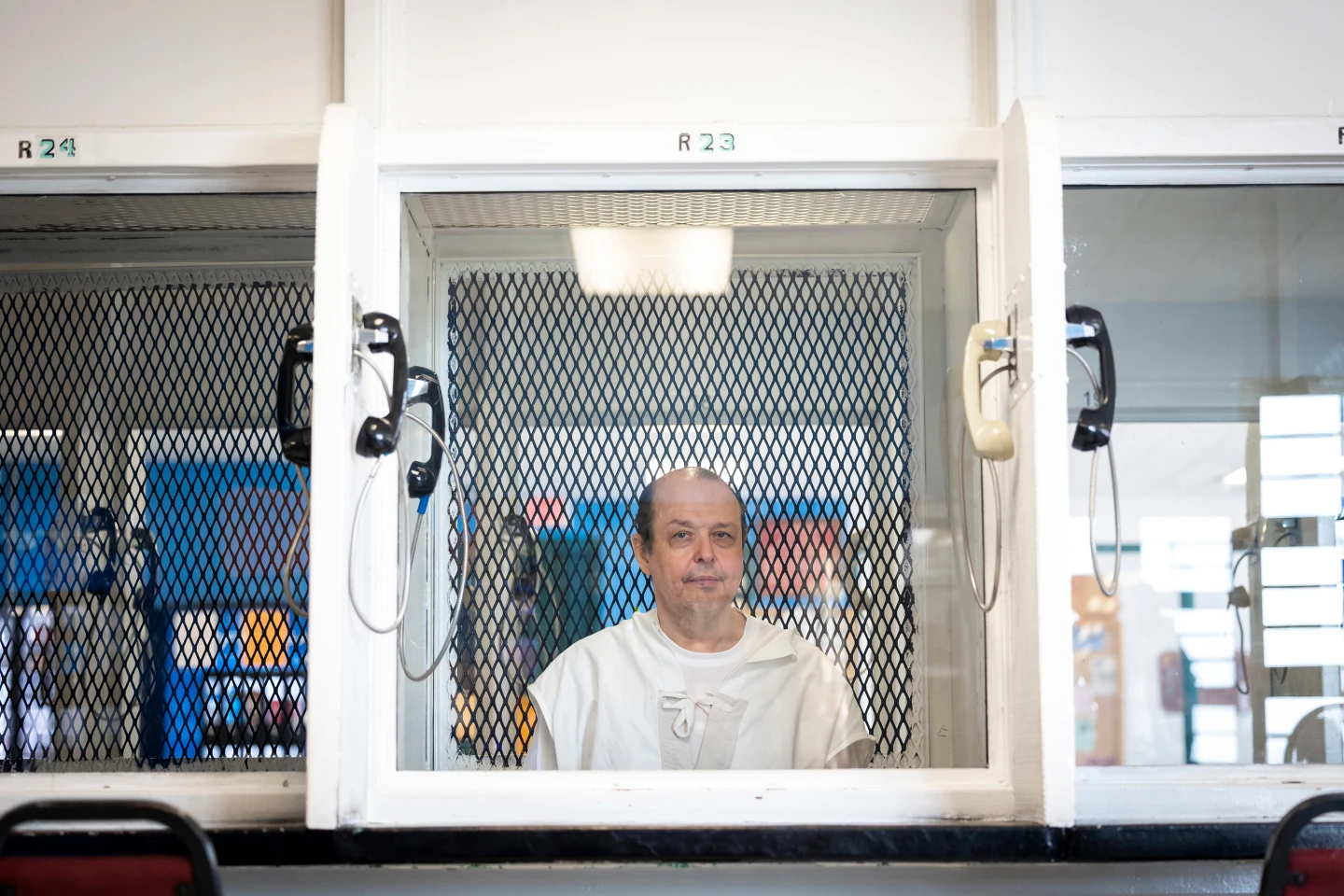
LIVINGSTON, Texas (AP) — Robert Roberson is calm and hopeful as he considers his impending execution. Scheduled for October 16, he is facing the prospect of becoming the first person in the U.S. executed for a murder conviction linked to shaken baby syndrome.
Roberson has continuously asserted his innocence regarding the death of his then 2-year-old daughter, Nikki Curtis, in 2002. Last year, a last-minute reprieve saved him from execution, with a bipartisan group of Texas lawmakers backing claims of his innocence. As he awaits a potential third execution date, Roberson places his faith in his lawyers, supporters, and divine guidance.
“I’m not going to stress out and stuff because I know God has it. He’s in control,” Roberson told The Associated Press during an interview at the Polunsky Unit in Livingston.
Throughout his time on death row, Roberson has reflected on his daughter's life, often wondering how things would have been different. He recalls the trial where authorities argued he inflicted fatal head trauma through violent shaking. However, many experts and his legal team contest this claim, proposing that Nikki's death resulted from pneumonia complications.
Challenging the Conviction
The diagnosis of shaken baby syndrome has come under scrutiny in recent years, leading to growing calls for a re-examination of Roberson's case. Supporters argue that his behaviors during the investigation—shaped by his undiagnosed autism—misled authorities and contributed to a rush to judgment.
“They assumed guilt based on my behavior,” Roberson said, sharing his experience of not realizing he was autistic until 2018.
Despite numerous public appeals and rallies advocating for his case, including support from noted figures, the Texas Attorney General’s office has remained firm in asserting that Nikki died from abuse. Roberson's future remains uncertain as deadlines approach for final legal maneuvers.
Amid this high-stakes situation, Roberson maintains his hope for a new trial, emphasizing, “I’m not scared to die, but I’m not ready to die.”