
In brief
A recent strike by Russian glide bombs on the Ukrainian city of Zaporizhzhia killed at least 15 people, including three children, and left many homes flattened. Emergency services report 16 injured and several missing in rubble. The assault occurred hours after former President Trump announced a diesel‑fuel deal with Russia, sparking criticism from Kyiv. Ukrainian forces urge a strong response, while the United Nations notes a 55% rise in civilian casualties over the first eight months of the year. The war’s escalating attacks on infrastructure, including energy plants and data centres, underscore a grim trajectory for civilian safety.
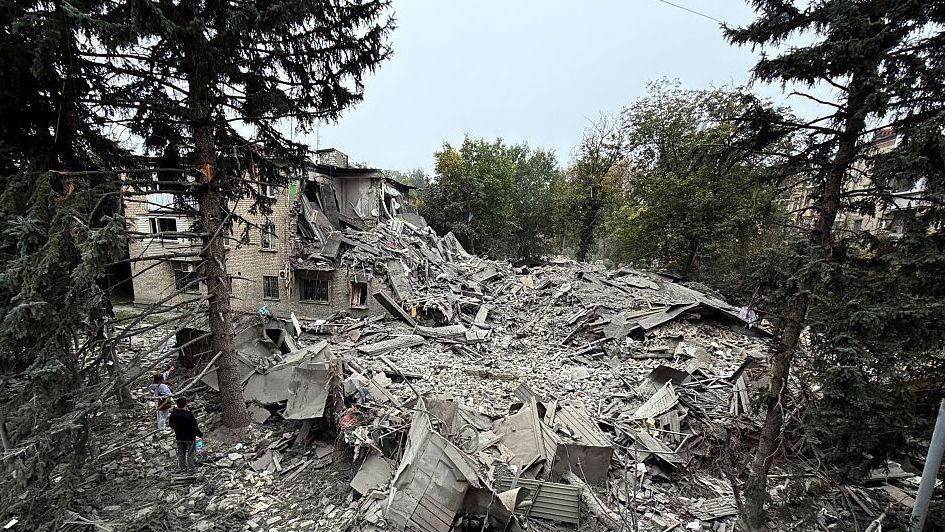
Five glide bombs dropped on Zaporizhzhia, a city close to the front line, by Russian forces caused more than 15 deaths including three children. The bombs hit residential blocks, leaving many buildings flattened and residents trapped in rubble.
Emergency workers have reported 16 injured people and several missing. Rescue teams have been working around the clock, listening for survivors amid the wreckage.
President Zelensky warned that other Ukrainian regions had also fallen victim to overnight strikes and that Kyiv would respond forcefully.
The blast occurred less than two hours after former US President Trump announced a diesel‑fuel deal with Russia, drawing sharp condemnation from Ukraine.
Reports suggest a surge in civilian casualties amid recent month‑long increases in Russian attacks. Nine incidents in the first eight months of the year alone saw casualties rise by 55 per cent, according to United Nations data.
In total, Russia has intensified strikes on Ukrainian infrastructure, targeting energy plants, data centres and transport routes. Conversely, Ukraine has targeted Russian facilities, including tech‑giant Yandex data centres.
As the war drags on, the toll on civilians – especially children and elderly – remains a central concern for the international community.

