
In brief
With competing agendas and a focus on loyalty, Trump's new appointments reveal both ambition for change and significant potential challenges ahead.
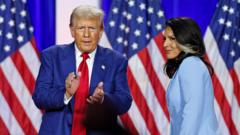
As Donald Trump gears up for a potential second term in the White House, the dynamics within his newly-appointed team shed light on the complexities of his forthcoming administration. While loyalty to Trump seems to be the overarching theme uniting his appointees, it quickly becomes evident that fissures exist beneath this surface. Key players include Matt Gaetz, Tulsi Gabbard, and Robert F. Kennedy Jr., all of whom have consistently challenged mainstream U.S. policies. Gaetz stands out as Trump's controversial nominee for Attorney General; his history of allegations may pose difficulties in the Senate confirmation process. Meanwhile, Gabbard, appointed as Director of National Intelligence, brings a military background and a history of opposing traditional America foreign policy that could conflict with Trump’s assertive international stance. Kennedy, tasked with overseeing health, is infamous for espousing conspiratorial viewpoints, particularly regarding vaccines.This trio, echoing Trump’s insurgent spirit, aims to dismantle perceived bureaucratic constraints, although their aggressive styles may challenge Trump’s leadership. Gabbard’s critical stance on American interventionism juxtaposes Trump's historical unilateralism, potentially creating friction within the administration.Then there are the border hardliners like Tom Homan, Stephen Miller, and Kristi Noem, who are expected to bolster Trump’s immigration crackdown, seeking increased deportations and workplace enforcement strategies. However, the anticipated uptick in aggressive policies could clash with economic interests in some Republican-led states reliant on immigrant labor, posing additional hurdles for the administration.In the tech sector, Trump's alliance with Elon Musk and Vivek Ramaswamy marks an intriguing shift. Tasked with leading initiatives for government efficiency, both represent a libertarian ethos focused on minimizing government spending and regulation. Yet, their ambitious cost-cutting agenda may run counter to other priorities within Trump's administration, especially concerning health regulations pushed by Kennedy.Foreign policy threats loom large as well, with Marco Rubio, Mike Waltz, and John Ratcliffe positioned as vocal “China hawks." This group is committed to Trump's negative stance towards Beijing, advocating tariffs and stricter diplomatic measures. However, Trump's prior oscillations and selective praise for Chinese leadership could introduce significant inconsistencies in managing this complex relationship.As Trump's second term unfolds, the intersecting agendas of his cabinet members could serve as both a platform for bold reforms and a potential recipe for intra-party discord, raising important questions about how effectively he can navigate these internal conflicts. The stakes are high, and each faction appears to have its own vision for the future, adding complexity to Trump’s renowned brand of governance.

