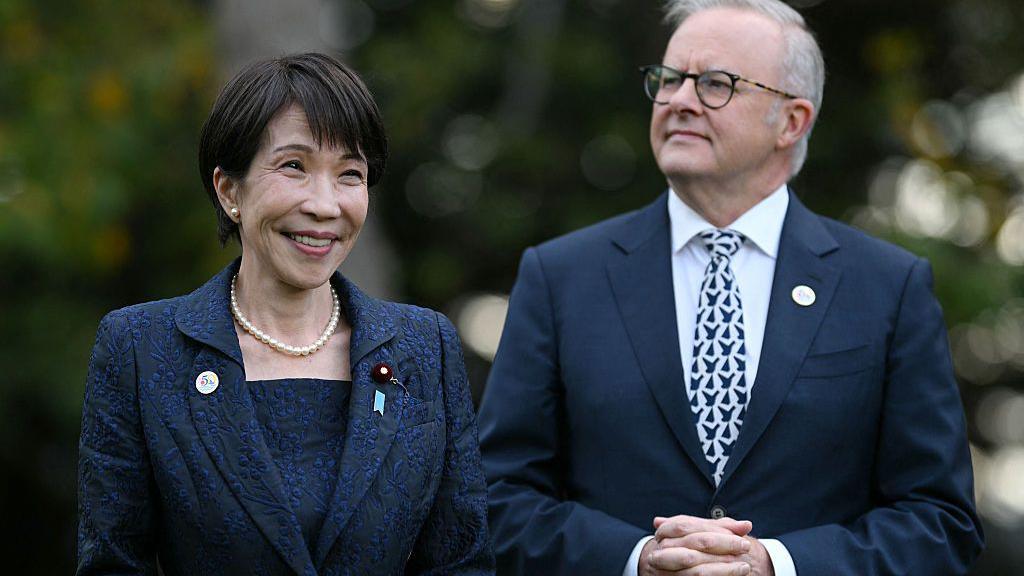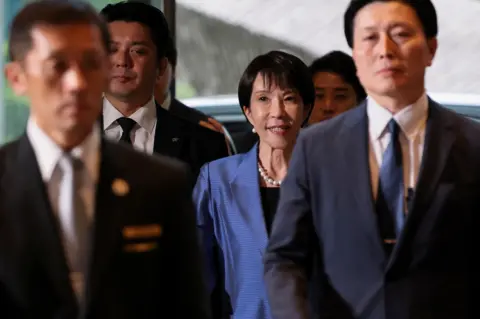
For many young girls in Japan today, the image of Sanae Takaichi taking the helm of power as the country's first ever female leader is powerful and formative.
It means a patriarchal society and a political system that has long been dominated by men is now led by a woman.
But while the optics speak of a progressive moment, some women don't see her as an advocate for change.
It was quite interesting to see how people outside Japan have reacted to the news, Ayda Ogura, 21, says.
Everyone's like, 'wow, she's the first female prime minister in Japanese history and that would be a great opportunity for women empowerment and gender equality in Japan'.
I think that's a very naive interpretation.
Instead, Ms Ogura points to her political beliefs and what she stands for, adding: She perpetuates the patriarchal system.
A big fan of Margaret Thatcher, Sanae Takaichi has always wanted to be the Iron Lady of her country. And like Thatcher, Takaichi is a staunch conservative.
Observers say her leadership is a tactical move from the ruling Liberal Democratic Party (LDP) to appeal to the more conservative base which had recently gravitated towards Japan's parties further to the right.
Takaichi opposes same-sex marriage and has long stood against legislation that would allow married couples to have separate surnames, preventing many women from keeping their maiden names.
However, she did soften some of her messaging during her campaign - saying she favours giving tax incentives to companies that provide childcare facilities to their employees.
When it comes to women's issues, Takaichi is consistent with her country's less than impressive record on gender issues.
Japanese women are among the best educated and highest qualified in the world and yet they struggle with the expectations of a conservative society that still pushes them in traditional roles.
However, some see Takaichi's rise to power as a pivotal moment that could change how women view their prospects, with Naomi Koshi arguing it could help lower the psychological barriers for women and girls in leadership roles.
But Audrey Hill-Uekawa points out that it took Takaichi more than 30 years to reach this position and reminds that she shouldn't be put on a pedestal merely for being female. We need to ensure we're talking about her policies. We need to be able to critique her equally as we would with any other leader, she wisely suggests.
As Takaichi takes on the role of prime minister, challenges abound, including a sluggish economy and inflation, with little expectation that gender equality initiatives will be prioritized.