In brief
A severe winter storm has significantly impacted travel and daily routines in the Midwest and Northeast. The storm brought heavy snow and frigid temperatures below zero, causing over 1,000 flight delays and hazardous road conditions. As arctic air sweeps in from Canada, states prepare for more rain and wind in the Pacific Northwest following recent flooding.
A weekend storm sent temperatures plunging well below zero in the Midwest and dumped heavy snow on parts of the Northeast on Sunday, creating many airport delays and slick roads as the Pacific Northwest braced for more rain after days of flooding and mudslides.
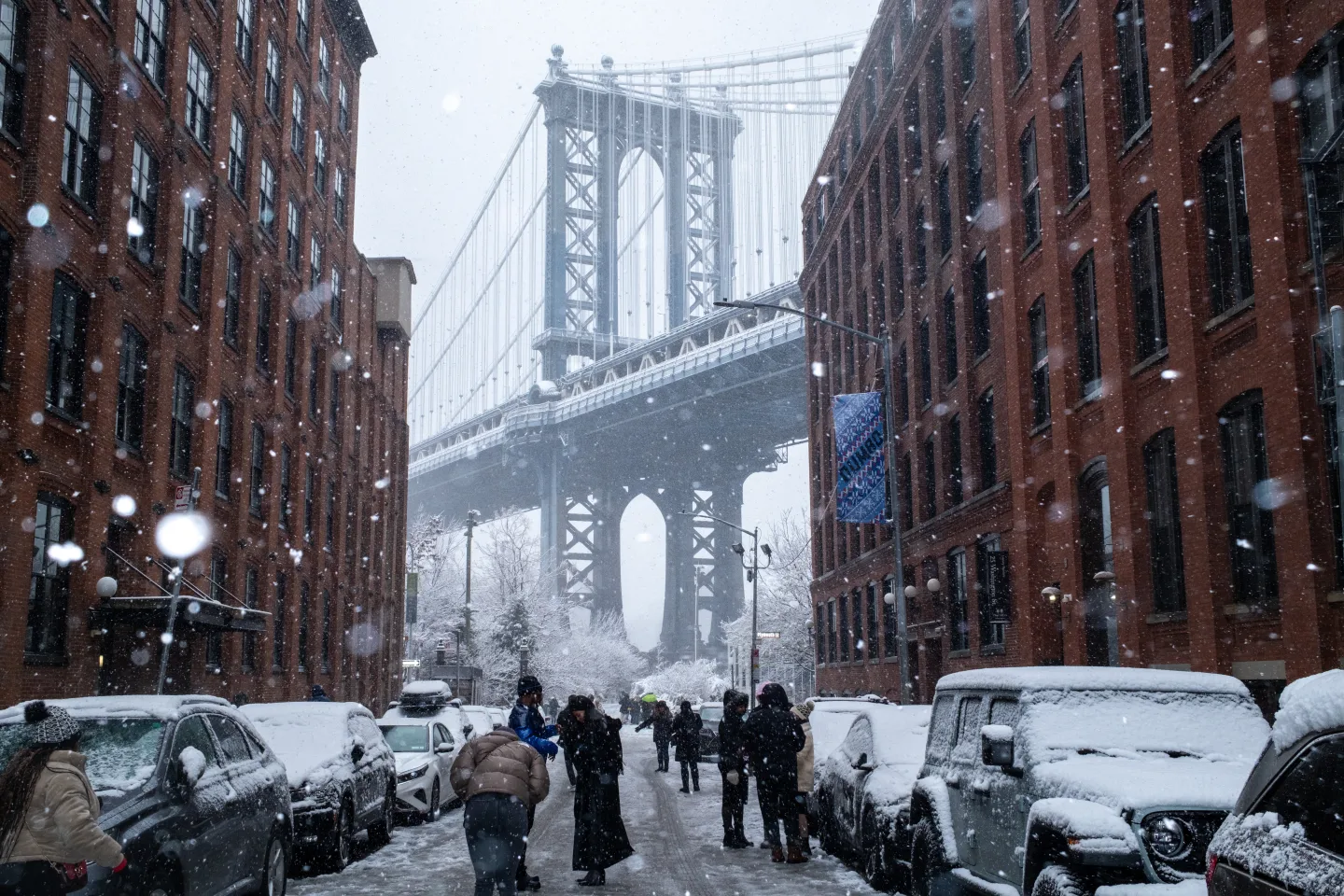
The storm began Saturday and brought up to several inches of snow in the New York-New Jersey metro area, marking the region's first significant snowfall of the season. Light snow also fell over parts of New England. The storm was expected to weaken by Sunday night, with arctic conditions forecasted, leading to overnight windchill temperatures plummeting below zero degrees Fahrenheit (-18 Celsius).
Crews and contractors were actively plowing and treating roads in New Jersey, where the state's Department of Transportation advised residents to avoid unnecessary travel. Salt spreaders and snowplows worked throughout the night to clear pathways, with New York City officials confirming efforts to maintain bike lanes as well. Meanwhile, Pennsylvania temporarily reduced interstate speed limits to 45 mph (72 kph) due to hazardous conditions.
Air travel faced significant disruptions, with over 1,000 flights delayed and more than 100 cancellations reported across U.S. airports according to the flight tracking site FlightAware.
As arctic air swept south from Canada, the National Weather Service confirmed that this was the coldest morning of the season so far, with Minneapolis-Saint Paul International Airport observing temperatures at -10 degrees Fahrenheit (-23 C), and some communities experiencing lows as extreme as -22 degrees Fahrenheit (-30 C).
On the west coast, the Pacific Northwest, already reeling from catastrophic flooding that has prompted mass evacuations, is poised for additional rain and wind beginning late Sunday, according to forecasters.