A flood that could not speak out
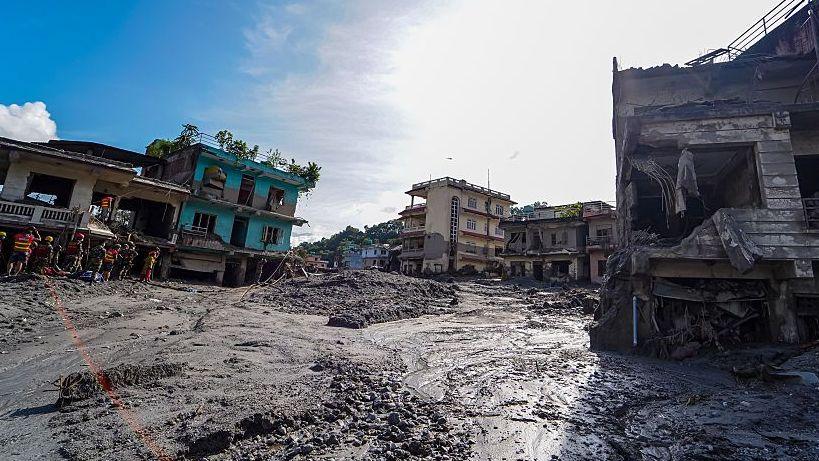
When the river behind Gyirong Port surged on a Wednesday, it destroyed homes, swept away livestock, and forced people to sprint for safety. CCTV cameras documented the chaos in stark detail.
The clip was shared worldwide on social media, sparking global outcry. Inside China, however, the state‑run news service released a single still frame from the footage, and the rest of the video was removed from domestic sites.
This selective censorship has left a vacuum of firsthand testimony. The Federation of Tibetan Anti‑Censorship reported that survivor videos and photos have been filtered, and activists call for a full, verifiable account of casualties.
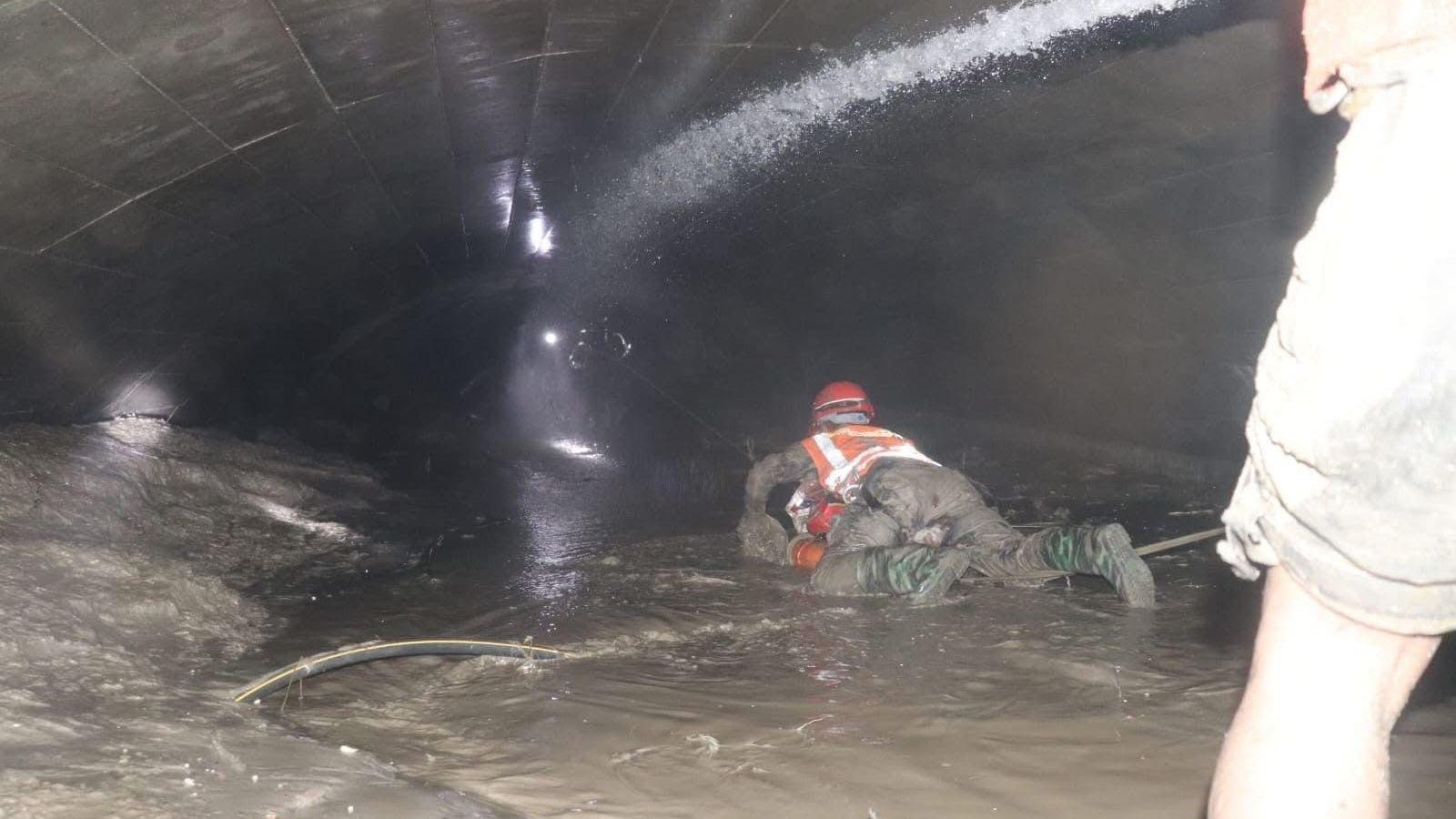
Beijing’s rescue operation, however, is visibly underway. Hundreds of emergency workers have been dispatched, and President Xi Jinping chaired an emergency meeting. Premier Li Qiang personally inspected damaged sites, a rare high‑profile visit following a disaster.
Despite extensive media coverage of the evacuation, no clear numbers of missing or dead have emerged. The scarcity of data is not just due to logistical challenges; the Communist Party’s emphasis on maintaining “social order and public confidence” means reports can be filtered to avoid potential unrest.
Tibet’s history of resistance complicates the narrative. Since 1950, the region has faced repeated crackdowns and accusations of rights violations. The ongoing flood is riding atop these tensions, and international observers fear a humanitarian disaster could become a catalyst for protest.
Across regional communities, stakeholders remain anxious. Families struggle to verify the status of missing relatives, and journalists face restrictions that impede eyes on the ground.
In the end, the flood’s story is still unfolding. While the Chinese government assures comprehensive rescue and stabilization efforts, the information withheld leaves the human toll partially invisible, underscoring the broader challenge of transparency in politically sensitive regions.