
In brief
A violent wildfire broke out in Almería’s Los Gallardos district on Thursday, triggered by a collapsed electricity pole. In just 15 minutes the blaze spread from haze to towering flames, forcing 12 people to death and 23 to become missing as residents fled. Eyewitnesses described the fire’s speed and the scene as “like a bomb has fallen.” Local authorities unleashed a massive firefighting effort, deploying hundreds of personnel and aircraft, while the community rallied to provide shelter and aid to evacuees.
A Sudden Inferno in Almería Turns Town into a Chaos Scene
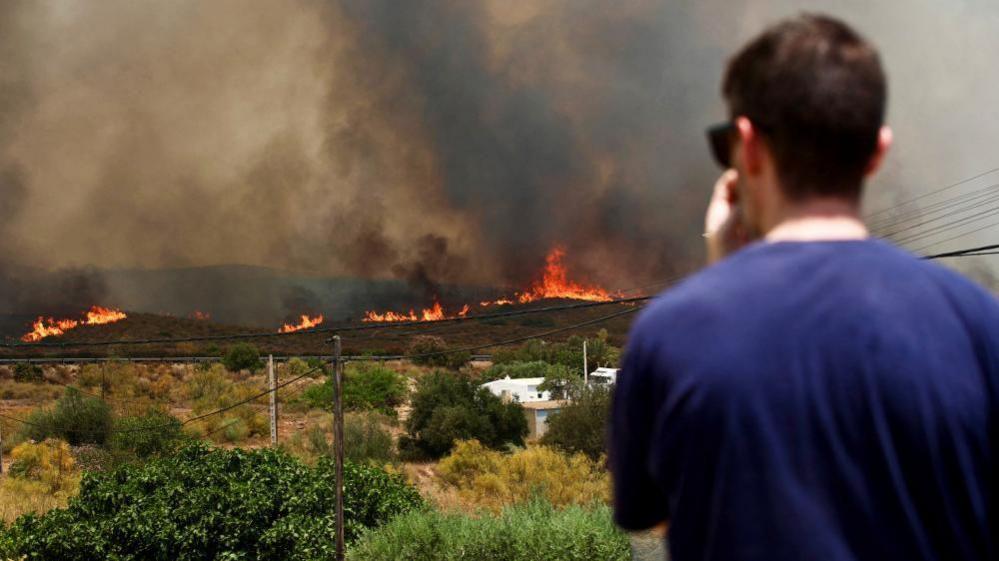
On Thursday afternoon a fallen electricity pole ignited a wildfire in the Los Gallardos area of Almería that has since taken at least 12 lives and left 23 people missing.
Witnesses in the hamlet of Bédar reported that within fifteen minutes the air turned hazy, to black smoke, and then to massive flames, a sequence they described as “unbelievably quick.”
The blaze erupted on a wind‑swept slope and, aided by dry shrubs and steep terrain, spread like a front, overrunning houses, an orchard of 600 orange trees owned by resident Jose Antonio Flores, and a village school. Residents were forced to abandon homes and flee by car, walking or on motorbike.
The event triggered an emergency response that mobilised dozens of firefighters, military units and 30 aircraft. The Ministry reported real‑time aerial surveillance, while communities along the road offered free accommodation and food to those displaced.
Peter Chapman, a British tourist near Mojacar, recalled seeing a “mushroom cloud” of smoke and comparing the night sky’s glow to wartime London bombings. “It was surreal,” he said. The close‑by residents, including mayor Francisco Miguel Reyes, described the scene as “indescribable” and urged calm as the fire hammered the region.
The cause of the fire remains under investigation but the immediate trigger was the collapse of the pole. The Spanish government issued red‑heat warnings ahead of a 40°C heatwave forecast across Europe, highlighting the heightened risk of such outbursts.
The community has united in an “unprecedented mobilisation” of local and regional resources as search continues for the missing, and the long‑term impact on local livelihoods remains uncertain.

