
In brief
Maricarmen Abascal, 87, died after a forced eviction from her Madrid flat triggered widespread protests over Spain's housing crisis. Her case exposed legal loopholes that let landlords hike rents fivefold. The protests pressured the coalition government to push emergency housing legislation, only for it to be rejected in Congress. Spain announced early elections in the wake of the turmoil, while unions vow to keep fighting for tenants.
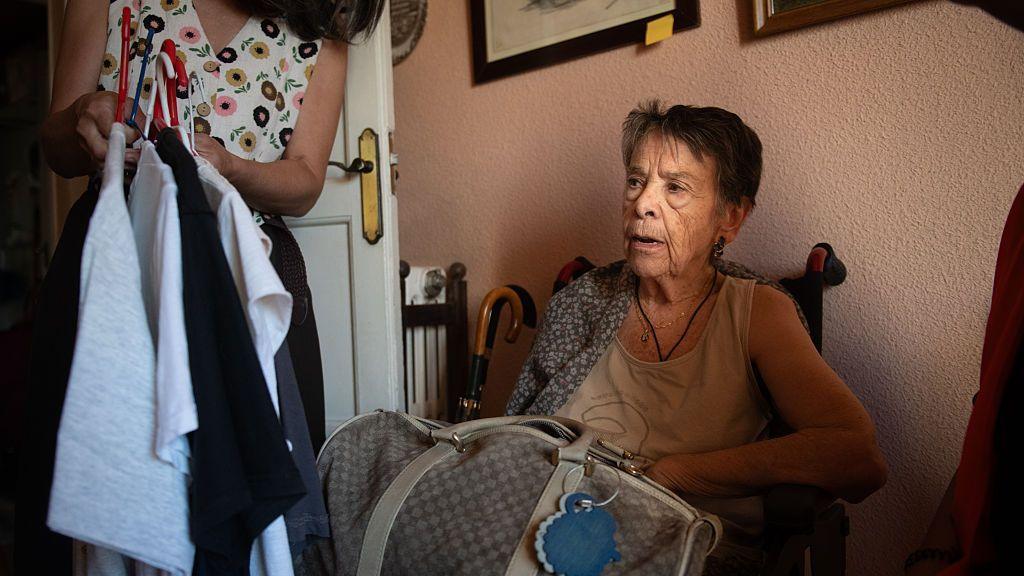
Maricarmen Abascal, 87, was forcibly removed on a stretcher from her Madrid flat after rent increases pushed her beyond her limited pension. The eviction, a culmination of a 70‑year tenancy, became a symbol of Spain’s mounting housing crisis.
Her landlord, Urbagestión, had increased her rent from €500 to €2,650, later lowering it to €1,650 – still €300 over her monthly pension. Three court‑ordered attempts to evict her had been blocked, intensifying media attention.
The outbreak of protests demanded emergency housing legislation, but Congress rejected the bill last week. Late on Saturday, tens of thousands flooded Madrid’s streets, culminating in a protest encampment at Puerta del Sol.
Pedro Sánchez announced early elections for 29 November after failing to secure the housing reforms, sparking a political storm that would shape Spain’s next government.
The Madrid Tenants’ Union warned that the situation was “an absolutely avoidable ordeal” and pledged to keep fighting for tenants. Sánchez mourned her loss, inviting “all who feel the same” to share his sorrow.

