Stalemate at the Strait: US‑Iran Clashes Threaten Fuel Flow
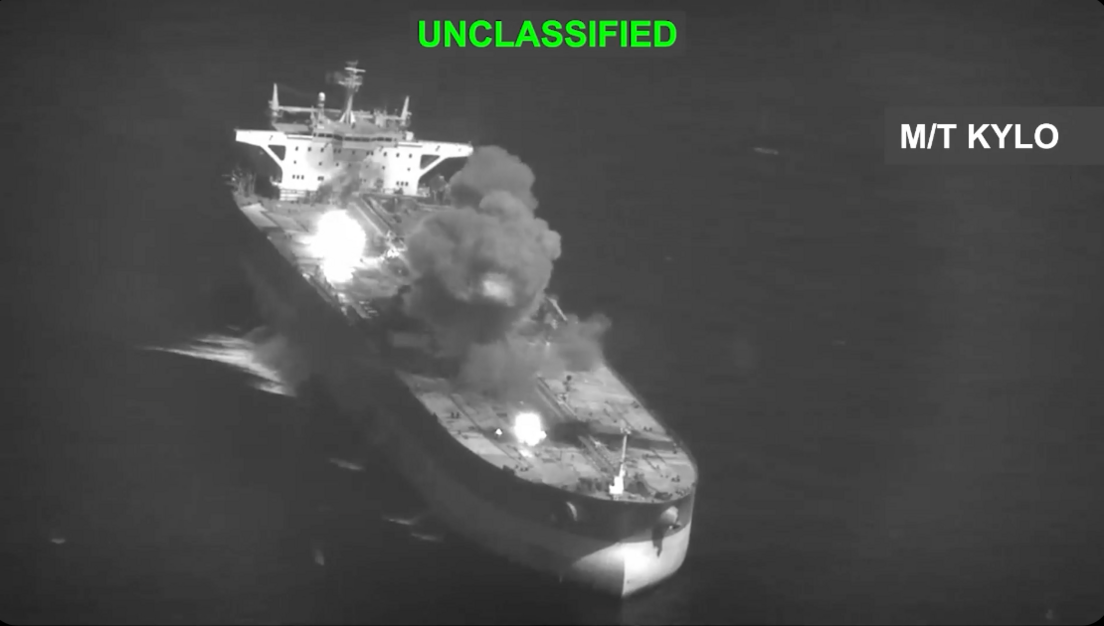
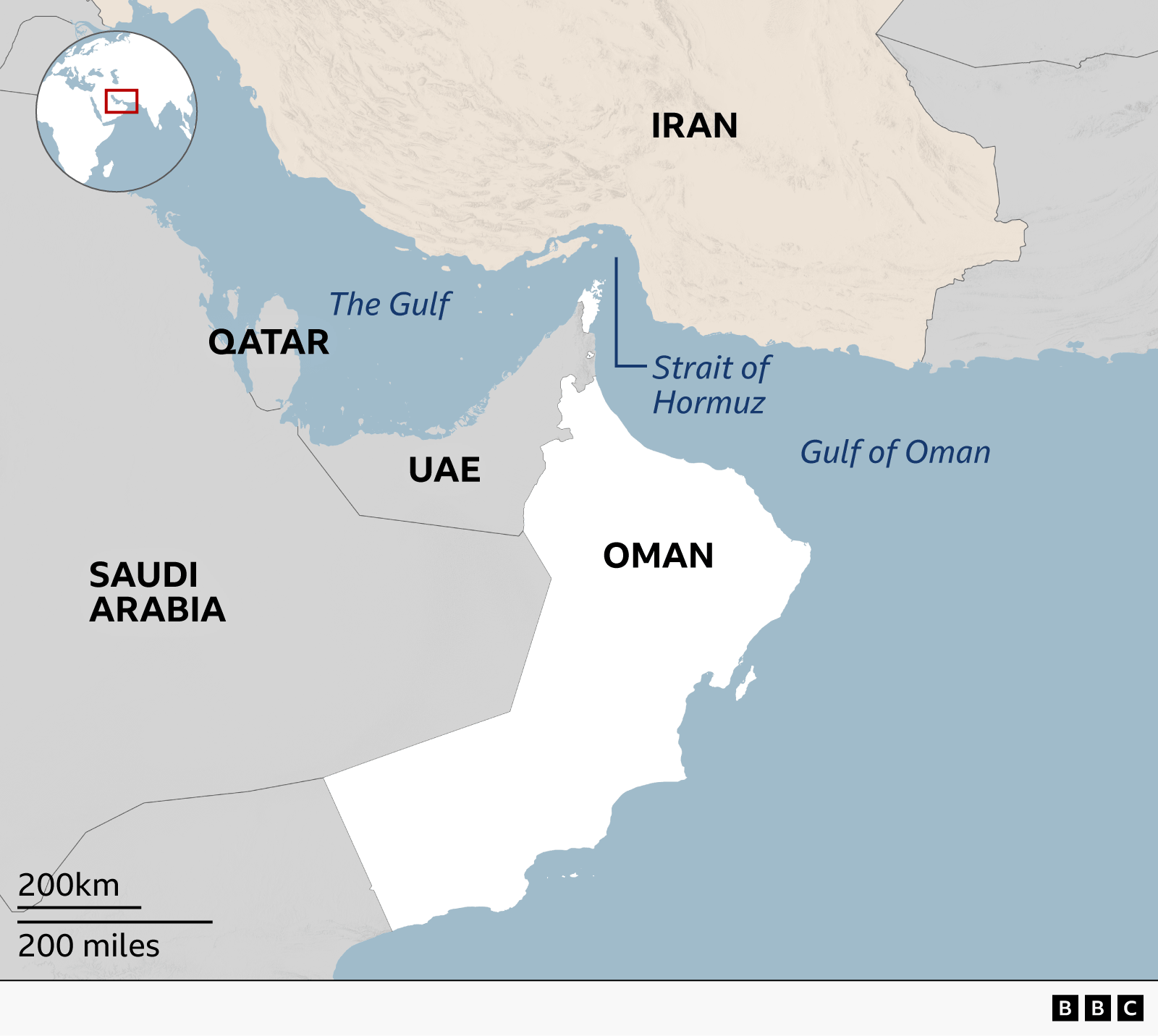
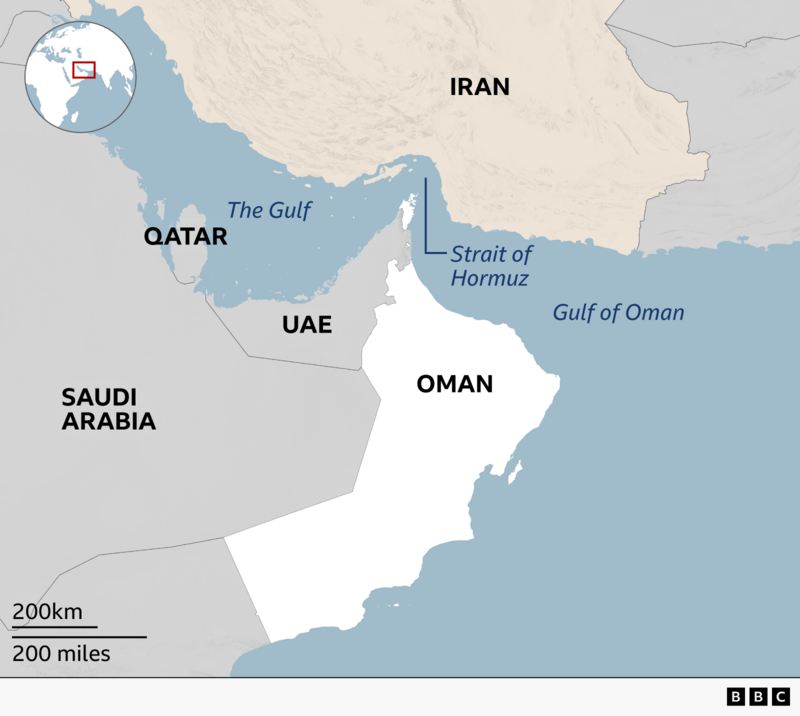
The Strait of Hormuz has quickly become a hotbed of tension between Washington and Tehran. As one of the world's most trafficked shipping lanes, it carries roughly 80 million barrels of oil a year, a figure that places its control in the hands of both geopolitical and economic interest. Iran’s recent announcement that the strait was closed came after a series of US‑led missile strikes on Iranian targets near the coast, leading Washington to portray the move as a defensive necessity for Iranian security.
Journalist Barbara Plett Usher, stationed in Jerusalem, reported that the Iranian claim of a blockade is still debated. The US maintains that heavy metal and container ships continue to pass safely, citing monitored transits that do not indicate any operational shutdown. The diplomatic tunnel between Tehran and Washington, established in June, had aimed to halt hostilities and reopen the channel, but the escalation threatens to invalidate those negotiations.
The stakes are high for the global economy: any persistent obstruction risks flooding market volatility, while the strategic calculus of both superpowers could lead to further military escalation. International actors, from shipping conglomerates to regional Arab states, are watching closely as the world balances on a knife‑edge over the flow of energy and economics.