In brief
The Strait of Hormuz saw a dramatic drop in vessel crossings after a series of strikes by the United States and Iran. The number of ships that passed through in the last week fell from 47 to just 23, cutting traffic to a fraction of pre‑conflict levels. This sharp decline follows the reopening efforts agreed in a June 17 memorandum of understanding, but Iran’s continued attacks and the laying of mines have created a volatile maritime environment. While the U.S. initially salvaged a brief peak in crossings, the latest shelling of three oil tankers has halted the use of the US‑recommended Omani route, raising concerns for global energy supply lines. Experts argue that the dual “carrot and stick” approach applied to Iran has yet to restore predictable shipping lanes.
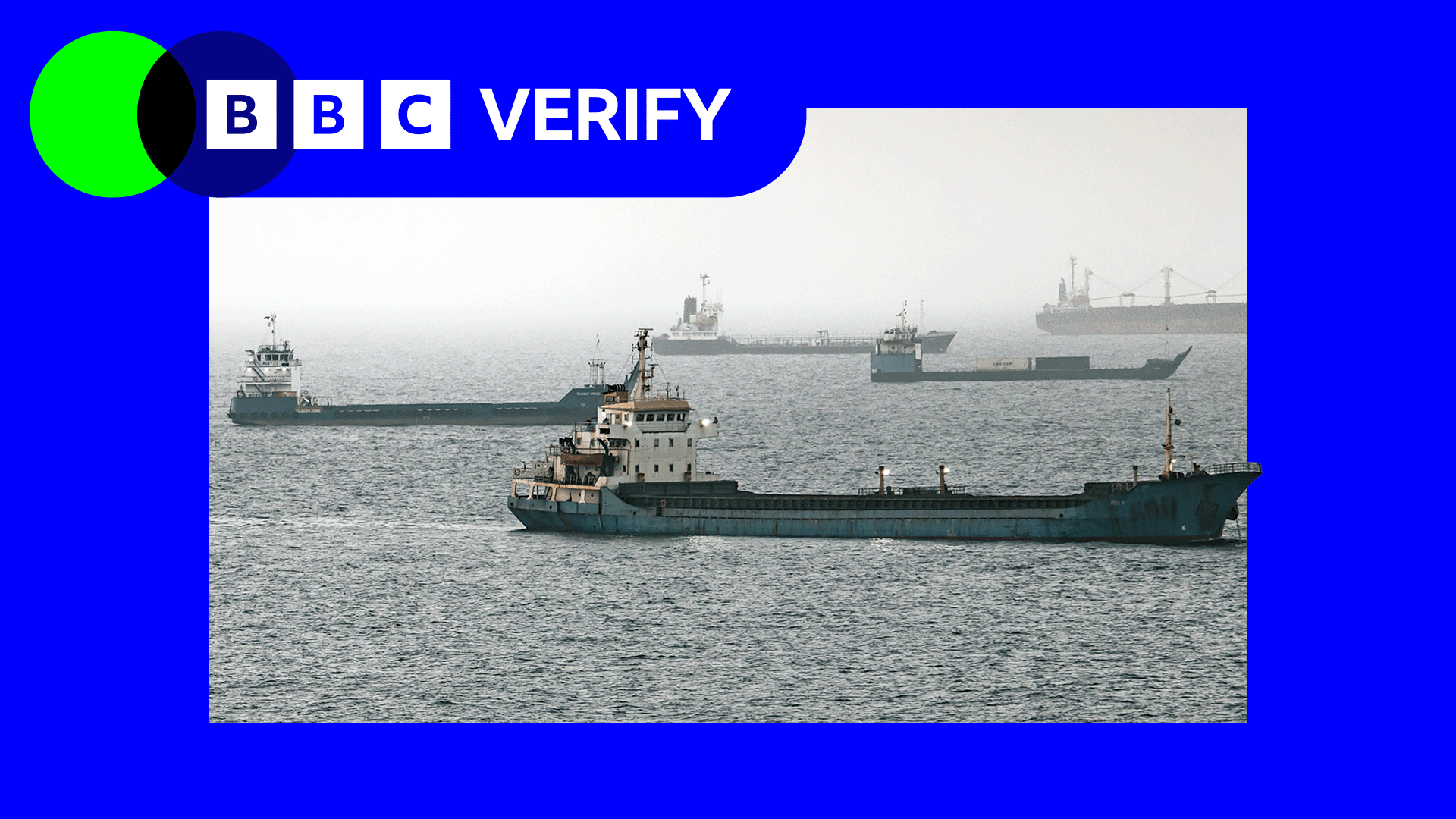
The vital oil passage in the Persian Gulf saw a sharp decline in vessel crossings after a recent exchange of strikes between the United States and Iran. According to maritime intelligence, only 23 tankers and cargo ships moved through the strait on Wednesday, down from 47 a week earlier.
The three ships targeted this week were on the US‑recommended Omani route, which is 60 km south of the Iranian coast. Iran repeatedly insisted that the only “safe” passage runs through its own waters, a stance that clashes with the US and its Gulf allies who demand free and open passage.
At the height of the conflict, the strait averaged 138 daily crossings, but after the initial US–Iran strikes in February it fell to just a handful. Iran’s retaliatory attacks on commercial vessels and the subsequent mine‑laying have compounded the risk, prompting the US to enforce a blockade on all shipping to and from Iranian ports.
The agreed 17‑June peace deal called for the reopening of the strait, with the US lifting its naval blockade and easing sanctions on Iranian oil exports. In the week following the accord, traffic peaked at 72 ships on 24 June, but has since stalled.
Following the latest attacks, the Omani route has come to a halt. On Wednesday, no ships used that corridor, compared with just three the day before. Experts predict a cycle of back‑and‑forth tensions before any stable shipping pattern can re‑emerge.
Key points on the conflict
- Iran insists on steered control over the strait and potential fees for passage.
- US and allies insist on keeping the strait free and open.
- Post‑deal, the Iranian government dictated lanes near its coast; JMIC recommended the Omani route.
- Recent strikes on Omani‑water vessels have led the US to halt its recommended routing.
- Deal’s wording remains vague and has not secured long‑term free passage.
Impact of the latest strikes
The shelling of three commercial tankers—Qatar‑owned LNG, Saudi crude, and a Liberia‑flagged tanker—has forced a halt on the Omani route. Some analysts anticipate a sharp, repeating cycle of strikes and brief recoveries as tensions ebb and flow.
Predictors note that Iran’s continuing mine deployment and concerns over route security have stalled traffic, making a swift return to pre‑war volumes unlikely while diplomatic talks persist.