A Cataclysm on the Horizon
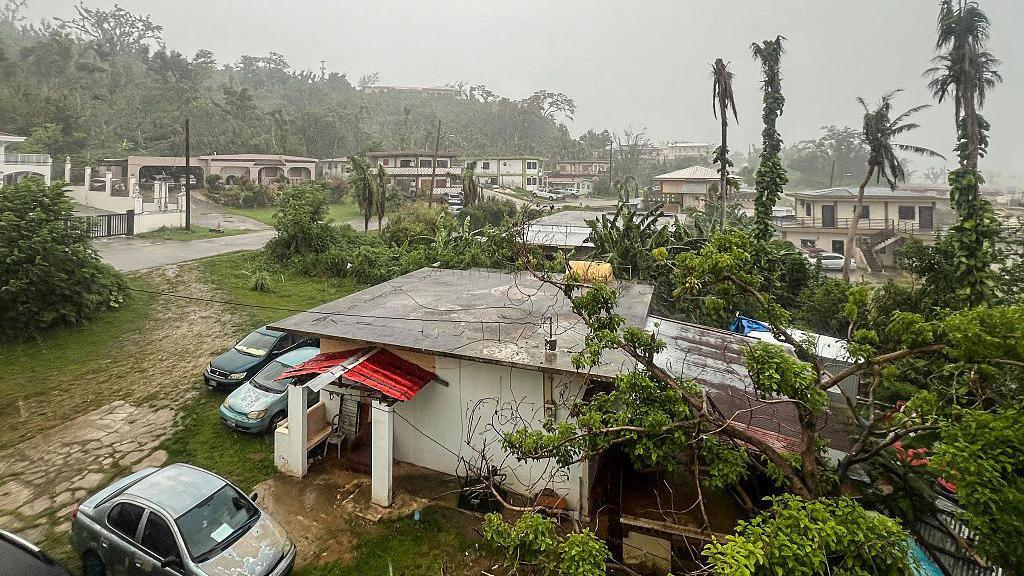
Super typhoon Bavi is racing across the western Pacific toward Guam and the Northern Mariana Islands, with meteorologists forecasting landfall early on Monday and maximum winds of up to 257 km/h (160 mph). For residents of the U.S. islands, the storm is the second of its kind in record‑keeping years, following April’s Sinlaku which claimed 17 lives and left $1.5 billion in damage.
Evacuation Plans in Action
Guam’s civil‑defence office has opened five school‑based evacuation centres that can accommodate roughly 1,700 people. Authorities have already diverted occupants from a full‑capacity site to another facility, and they urged anyone whose home could withstand high winds or flooding to seek shelter immediately. The NWS notes that destructive conditions may be felt from 8 to 10 hours away from the storm’s centre, adding a deadline for the evacuees to move out if instructed by local officials.
Weather Severity Explained
The Joint Typhoon Warning Center has designated Bavi a “super typhoon” because its sustained winds exceed 130 knots (150 mph). The U.S. National Weather Service equates a super typhoon to a Category 4 or 5 hurricane, respectively. On Monday, Bavi is expected to strike with gusts up to 180 knots (207 mph) and storm‑surge waves reaching 11 m (35 ft). Such force can produce catastrophic damage and widespread flooding from intense rainstorms.
Climate Context
Scientists point to warmer sea‑surface temperatures and a strong El Niño event as drivers behind the increased intensity of these storms. The Pacific has already seen an 11‑year spike in high‑category cyclones in the past decade, surpassing the number recorded over 57 years.
Personal Stories
Restaurant owner Pinky Cubacub spent weeks block‑boarding her shop in Guam with £373 worth of plywood, hoping to keep the business, and her staff, afloat. Meanwhile, 25‑year‑old Japanese tourist Miku Sakurai cancelled her return flight to Tokyo, opting to stay in a hotel as the storm’s approach puts her on the road.
Looking Ahead
Over the next 24 hours, authorities will continue to monitor Bavi’s trajectory and add more evacuation sites as needed. Residents are urged to follow updates from the National Weather Service and local emergency agencies, and to be prepared for rapid changes in weather conditions.