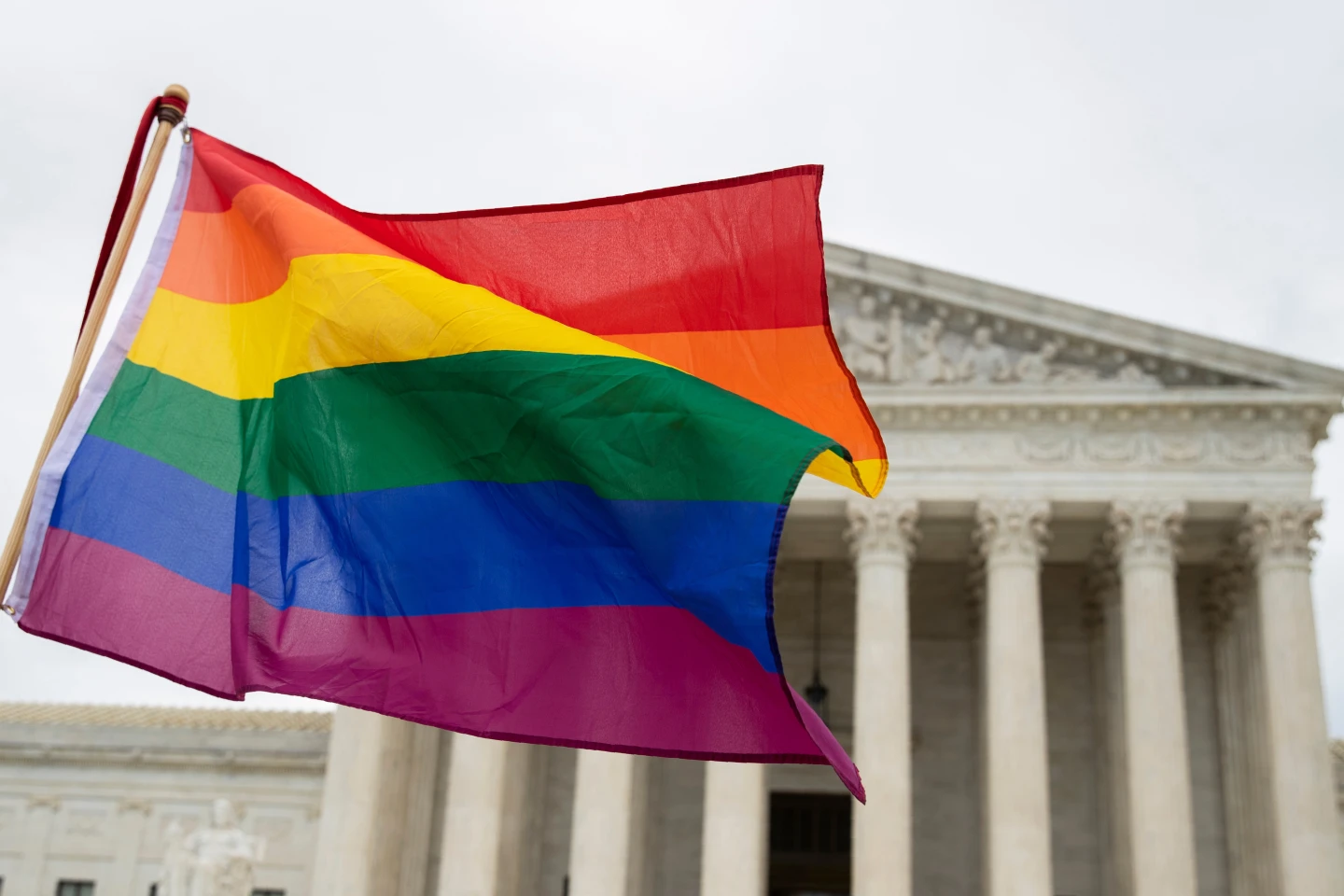
WASHINGTON (AP) — The U.S. Supreme Court on Monday made a critical ruling by rejecting an appeal from Kim Davis, the former Kentucky court clerk who became famous for refusing to issue marriage licenses to same-sex couples after the court's landmark decision in Obergefell v. Hodges. The justices opted not to comment and declined to engage further in the debate over same-sex marriage rights.
Davis's appeal sought to challenge a lower court's order that required her to pay $360,000 in damages and attorney’s fees to a same-sex couple whose marriage license she denied. The ruling surfaced again in the context of increasing discussions about the implications of personal faith against legal obligations, particularly among court officials.
Justice Clarence Thomas has previously indicated a desire to reconsider the same-sex marriage ruling, which adds complexity to the discussion surrounding the court's current stance. While three other dissenters from the original 2015 decision remain on the court, their voices have mostly receded from this topic. Amy Coney Barrett has hinted that same-sex marriage might be viewed differently than abortion within legal parameters, suggesting a possible framework for future consideration.
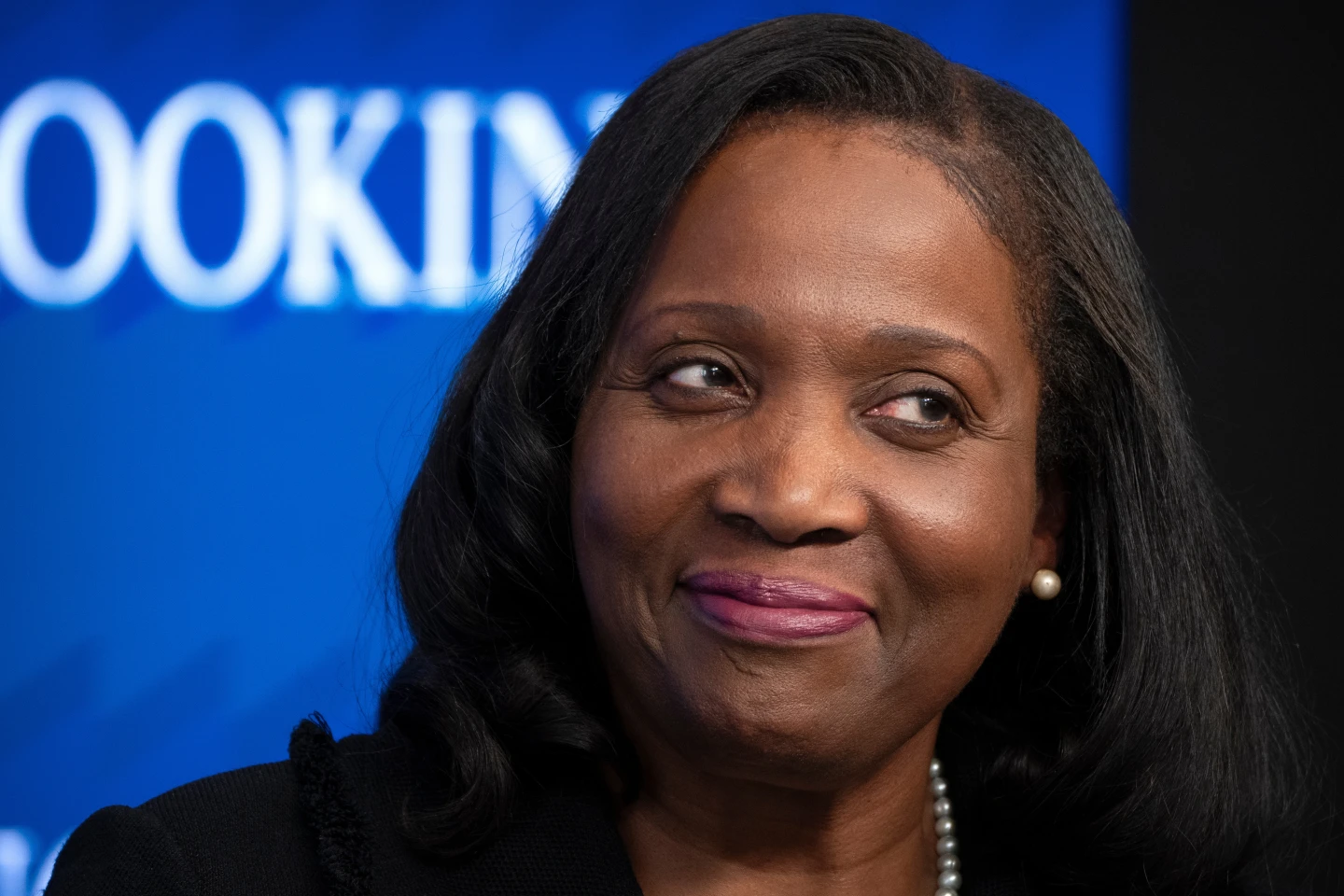
Human Rights Campaign president Kelley Robinson issued praise for the Supreme Court's decision, view it as a reaffirmation of constitutional rights. This ruling also underscores the challenges faced by public officials balancing personal beliefs with judicial mandates. Davis drew attention back in 2015 for her refusal, which led to legal actions against her, and she ultimately lost her reelection bid in 2018.
With the Supreme Court steering clear of further involvement in the matter, the issue of same-sex marriage remains firmly established under American law, reflecting an evolving landscape regarding LGBTQ+ rights.