In brief
The Israel-Hamas conflict has spilled into U.S. educational institutions, leading to increased antisemitic harassment and political divisions among students and staff. Teachers like Josh Hirsch are caught in the middle, navigating hostility for expressing their beliefs while seeking to promote inclusivity and understanding through advocacy and education.
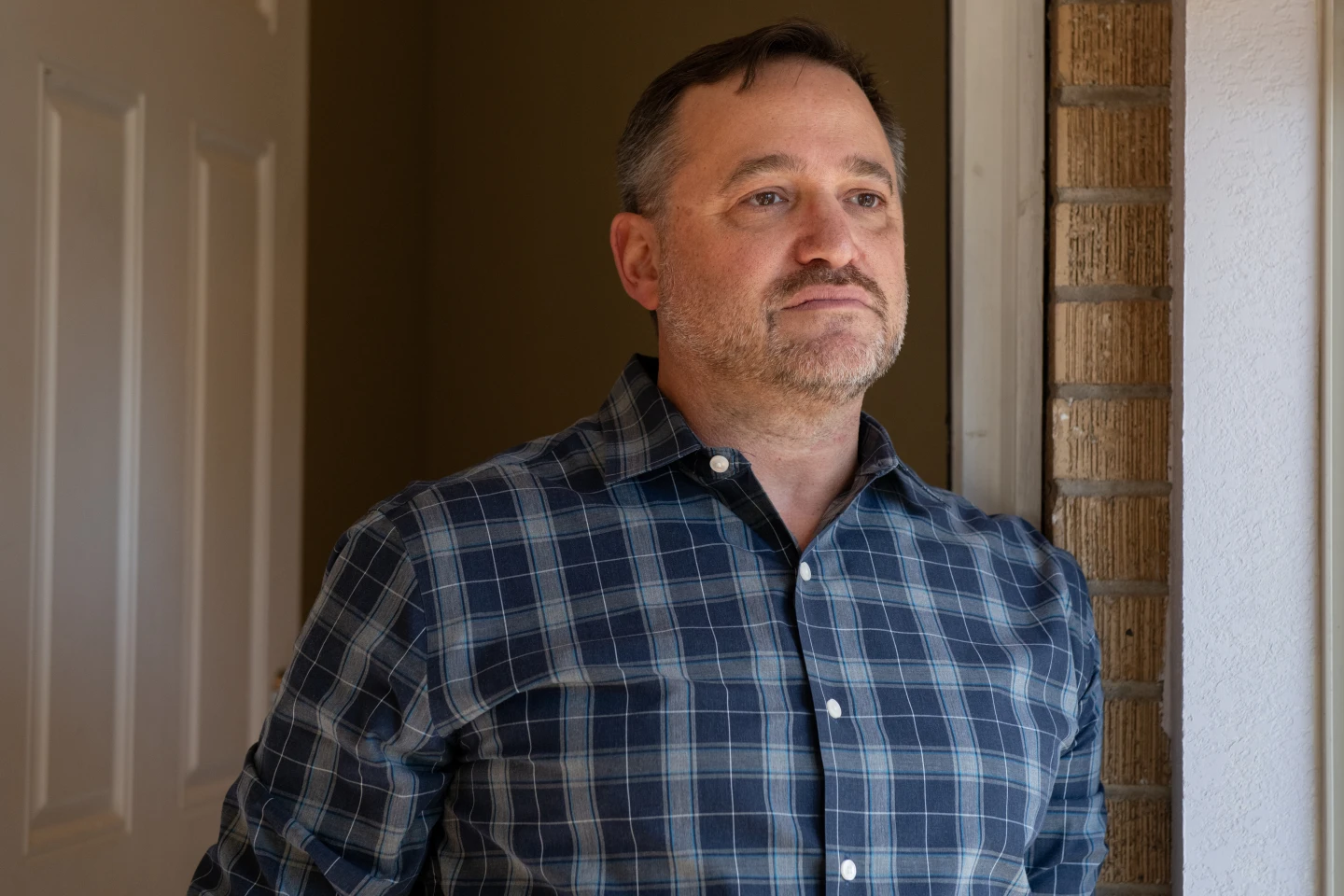
In the wake of the October 7 attack by Hamas that shocked the world two years ago, the classroom environment has become increasingly fraught for educators like Josh Hirsch, a high school teacher from Colorado. Posting supportive remarks for Israel on social media led to a the call for his dismissal by a former student, revealing a disturbing rise in antisemitism among school communities.
Hirsch, the only Jewish educator at his school, found himself at the center of a heated debate when a note bearing his family’s personal information surfaced, alongside a sticker accusing Israel of genocide in Gaza. Such incidents exemplify a troubling trend of antisemitic harassment that has escalated since the conflict reignited.
With the pressure mounting, Hirsch contemplated resignation but eventually chose to join an educational advocacy network initiated by the Anti-Defamation League, determined to foster a more inclusive atmosphere amid growing tensions.
Advocates note that criticisms of Israel, particularly in the wake of military actions in Gaza, have often blurred the lines between free speech and hate speech. Consequently, educational institutions have seen an uptick in both antisemitic incidents and the political rhetoric surrounding Middle Eastern conflicts intruding into classroom discussions.
State legislatures, including those in Texas and California, have begun implementing policies aimed at better addressing these issues. However, critics warn that specific definitions of antisemitism could effectively suppress legitimate discourse about Israel and Palestine.
As schools grapple with how to handle these increasingly complex situations, Hirsch's story serves as a reflection of the broader challenges facing educators in a divided society. His efforts, rooted in promoting understanding and open dialogue, strive to counteract the climate of fear and hostility permeating school halls.
“Our goal is to teach our students to articulate their thoughts without resorting to hatred,” Hirsch affirmed, emphasizing the need for constructive discourse in a time when hostile feelings are at an all-time high.