In brief
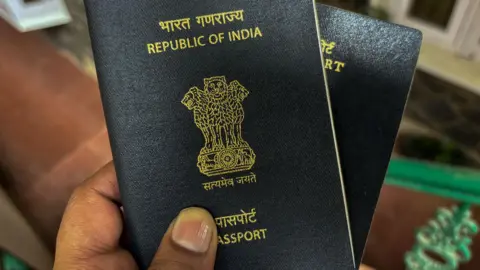
India's passport now ranks 85th globally, reflecting a decline in its international travel privileges. While the country has seen an increase in visa-free destinations, the declining rank mirrors broader issues such as global mobility competitiveness and India's diplomatic relations. Experts suggest that enhancing international ties and technological innovations like e-passports could improve India's standing in future rankings.
The Indian passport's global standing continues to decline, recently landing in the 85th spot out of 199 countries on the Henley Passport Index. This marks a drop of five spots compared to last year, despite a video by a travel influencer highlighting dissatisfaction with the passport's perceived weakness going viral earlier this year.
The passport now allows visa-free access to only 57 countries, similar to that of Mauritania, while countries like Rwanda and Azerbaijan are ranked higher even with smaller economies. Comparatively, powerful nations such as Japan, South Korea, and Singapore enjoy leading positions on the index.
In the last decade, India's passport rank has hovered around the 80s, even reaching as low as the 90th position during particularly challenging years. As various nations bolster their passport strength through diplomatic agreements and enhanced mobility, India's rank is particularly striking against a backdrop where the global average access to visa-free destinations has nearly doubled from 58 in 2006 to 109 by 2025.
Experts cite India's image impacted by past political instabilities, excessive bureaucracy in immigration processes, and a rise in fraudulent visa activities, all of which strain its international reputation. Additionally, advancements such as the introduction of an e-passport—designed to incorporate biometric data—offer hope for future improvements in security and mobility.
For India to enhance its passport strength and ranking, establishing more diplomatic relations and travel agreements will be essential.