It all began after a viral video alleging fraud in Somali-run child care centers in Minneapolis: strangers peering through windows, right-wing journalists showing up outside homes, influencers hurling false accusations.
In San Diego, child care provider Samsam Khalif was shuttling kids to her home-based center when she was spooked by two men with a camera waiting in a car parked outside, prompting her to circle the block several times before unloading the children.
“I’m scared. I don’t know what their intention is,” said Khalif, who decided to install additional security cameras outside her home.
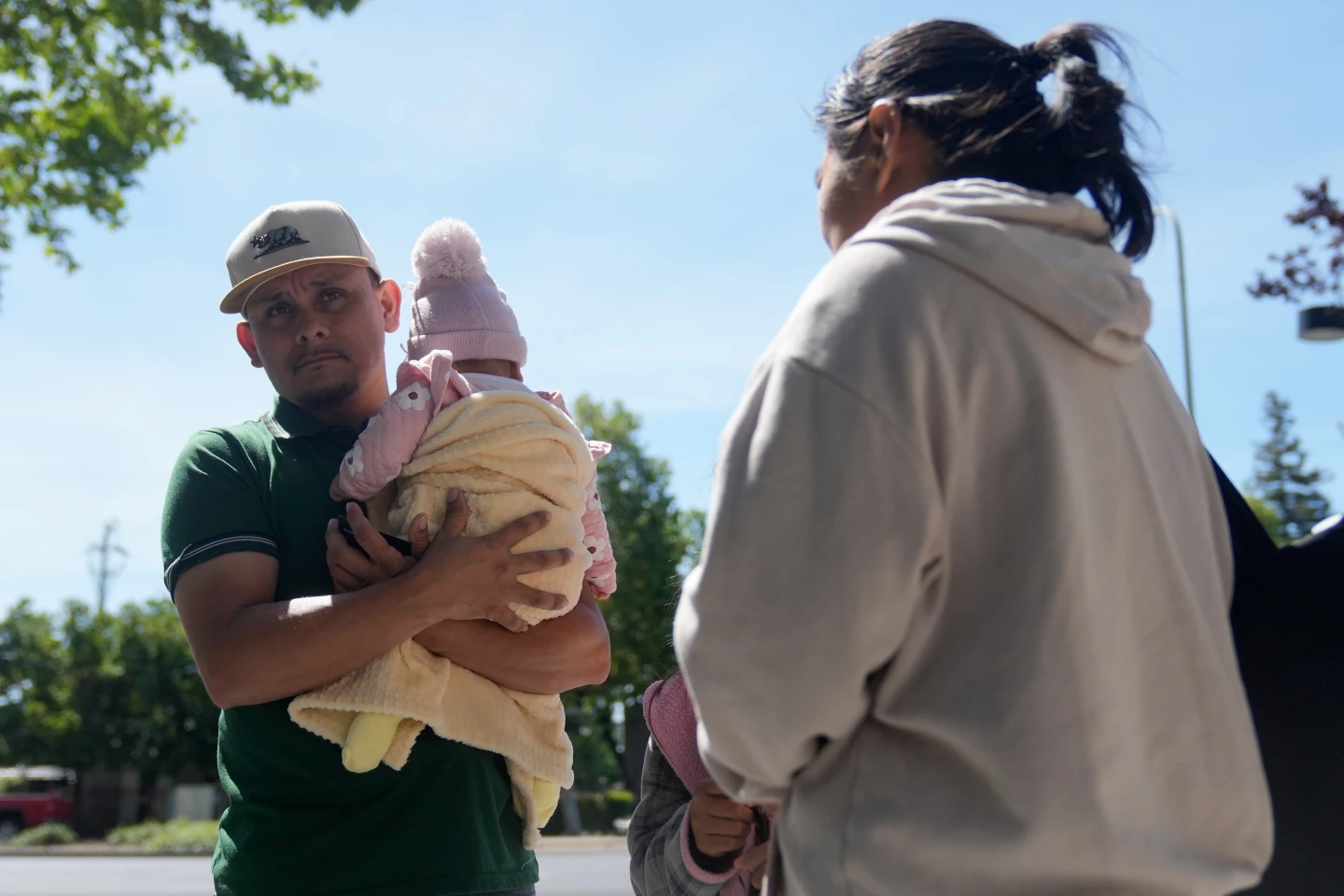
Somali-run child care centers across the United States have become targets since the video caught the attention of the White House amid the administration’s immigration crackdown. Child care providers worry about how they can maintain the safe learning environments they have worked to create for impressionable young children who may be spending their first days away from their parents.
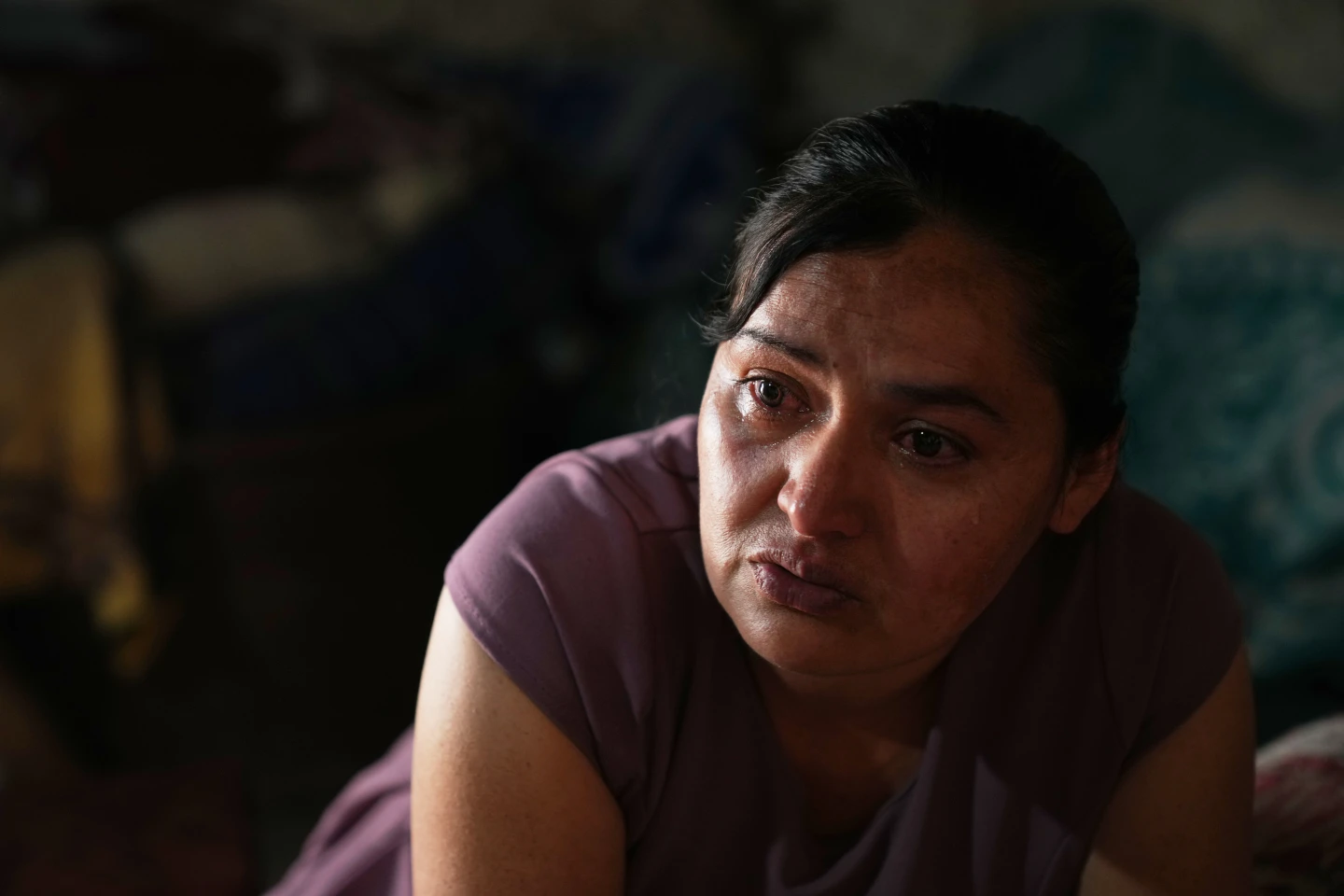
In the Minneapolis area, child care providers, many of them immigrants, say they’re being antagonized, exacerbating the stress they face from immigration enforcement activity that has engulfed the city.
One child care provider said she watched someone emerge from a car that had been circling the building and defecate near the center’s entrance. The same day, a motorist driving by yelled that the center was a “fake day care.” She’s had to create new lockdown procedures, is budgeting for security and now keeps the blinds closed to shield children from unwanted visitors and from witnessing immigration enforcement actions.
“I can’t have peace of mind about whether the center will be safe today,” said the provider, who spoke on condition of anonymity for fear of being targeted. “That’s a hard pill to swallow.”
How the focus on Somali child care centers started
The day after Christmas, right-wing influencer Nick Shirley posted a lengthy video with explosive allegations that members of Minneapolis’s large Somali community were running fake child care centers so they could collect federal child care subsidies.
Despite being disproven by inspectors, the video’s claims sparked a significant backlash and intensified political rhetoric against Somali immigrants, including derogatory remarks from high-profile figures. This situation raised concerns about the safety and stability of child care facilities in immigrant communities.
Local officials and advocates are now emphasizing the importance of addressing these baseless allegations while focusing on the administrative challenges faced by child care providers, including tight funding, waiting lists for subsidies, and the pressing need for community support. As the situation develops, advocates warn that the narrative surrounding fraud allegations distracts from the real crises faced by child care systems in the United States.