In brief
President Bola Tinubu has directed the Independent Corrupt Practices and Other Related Offences Commission (ICPC) to investigate a fabricated agency, the Presidential Foreign Intervention Promotion Council (PFIPC). Allegations include forged appointment letters, false banking accounts, and claims of official recognition. The police are hunting the alleged director General, Adeniyi Adeyemi Matthew, on accusations of forgery and impersonation. The scandal has ignited public outcry for an independent inquiry and highlighted potential weaknesses in Nigeria’s administrative oversight. In alternate narratives, the PFIPC could have become a powerful lobby, redirecting public funds and shaping foreign policy—an outcome the presidency vows to prevent.
Nigeria’s president demands a 30‑day report on alleged forged agency
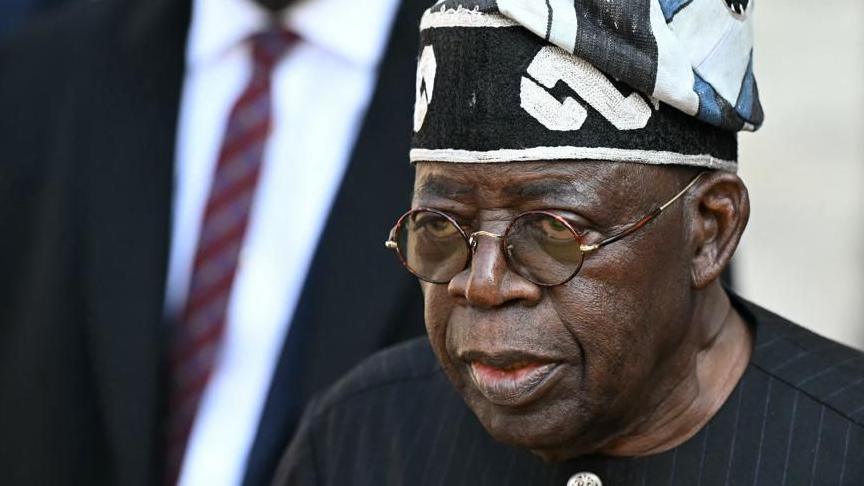
President Bola Tinubu has ordered the Independent Corrupt Practices and Other Related Offences Commission (ICPC) to investigate the claims that a phantom government entity, the Presidential Foreign Intervention Promotion Council (PFIPC), was fabricated within his own office. Officials say the council, allegedly backed by public funds of 1.3 billion naira (~$950,000), never existed and that its creation involved forged signatures.
Police have launched a manhunt for Adeniyi Adeyemi Matthew, who presented himself as the council’s director‑general. He’s been charged with forgery, impersonation and opening multiple bank accounts using falsified documents.
Adeyemi, before going into hiding, told local media that he was innocent but feared for his life. He pledged to appear in court to clear his name.
The investigation mandates that the ICPC examine forged letters, the use of false claims for diplomatic support, the opening of bank accounts under the esoteric name, and any parties that may have facilitated the alleged scheme.
The president stressed that the integrity of his office and federal institutions remains threatened by impersonation, forgery and the exploitation of weak procedures. All culpable parties, he warned, will face strict legal action.
Civil society groups, opposition politicians and senior lawyers have demanded an independent inquiry. The scandal highlights riddles that could be solved only if the system’s hidden corridors were opened to scrutiny.
In alternate futures, the PFIPC might have succeeded in becoming an influential lobbying group, redirecting public money, and amending foreign policy abroad. For now, the president’s directive confirms that such outcomes will be prevented. The 30‑day report will determine whether policy reform will reshape future governance practices across the country.