Trafficked Indonesian Babies in Singapore: A Legal and Human Dilemma
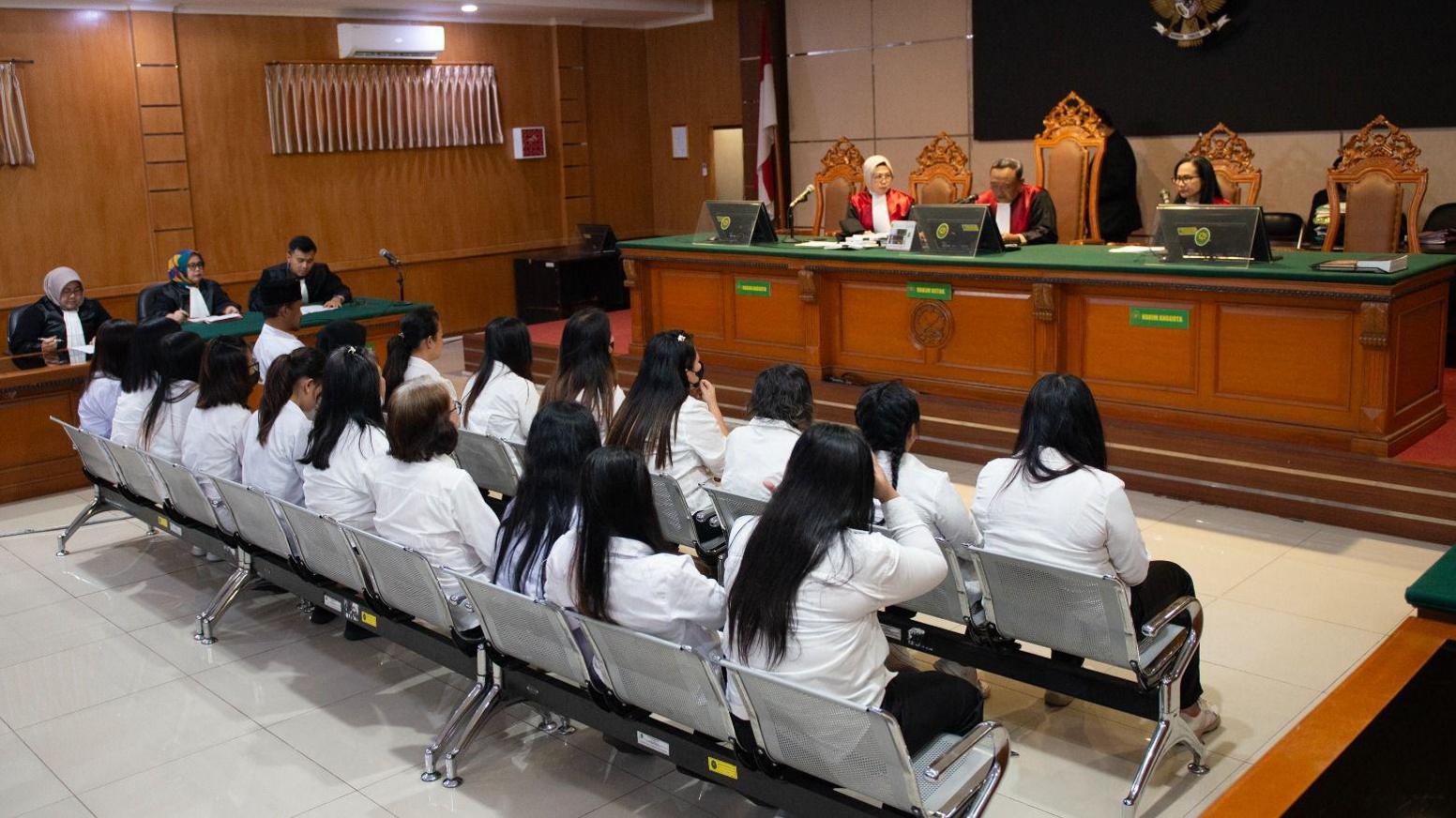
On Tuesday, an Indonesian court delivered a damning verdict against 19 suspects tied to a baby‑trafficking ring that smuggled 34 infants from West Java to Singapore. Twelve of those babies were already in Singapore, where they were adopted under falsified birth certificates and family cards.
Despite the convictions, the question of their future looms. Will they be returned to Indonesia or remain with their Singaporean adoptive parents? The answer is tangled in both countries’ legal frameworks and the best‑interest doctrine that governs child‑protection law.
Adoptive families are in limbo
Adoptive parents in Singapore, waiting since the babies’ arrival, have expressed anxiety and urged governments to decide soon. “It’s been almost a year of fear and anxiety,” a Singaporean father told BBC under a pseudonym. “We only want to give our son a normal, safe, loving life.”
Singapore’s ministries have pledged to cooperate with Indonesia for further information, noting that the children’s best interests are a “key consideration” for any forthcoming court decision. However, the ministries also stated that there was no conclusive evidence of wrongdoing in Singapore, or by Singaporean entities, in the immediate sense.
Uncharted legal waters
Revoking an adoption order in Singapore is rare, and legal experts say the case ventures into uncharted territory. Lawyers highlight that final adoption orders are generally treated as irrevocable once all safeguards are satisfied. The fraudulent nature of the infants’ birth documents, though, turns the basis of each adoption order into a point of contention.
Lawyers point out that any decision to withdraw adoption orders must weigh psychological impact, the duration the child has lived in Singapore, and the conditions of return to Indonesia when parents can be established.
Indonesia’s uncertainty
Indonesian authorities have yet to identify biological parents for many of the babies. In such cases, returning children to Indonesia would mean placing them in state care or orphanages – a process that would further disturb the children’s stability.
“If a baby only knows Singapore since infancy, it makes sense to keep him here,” one criminologist explained. “But if a biological parent is later found, the child must still have the right to know his or her origins.”
With the court’s decision, both countries are now obliged to treat the children as trafficking victims and must protect them – including their adoptive families who were unaware of the illegal origins of their babies.
If the law deems it appropriate, returning the children might also give adoptive parents certain legal protections to ensure their families do not face unjust accusations.
Image Credit
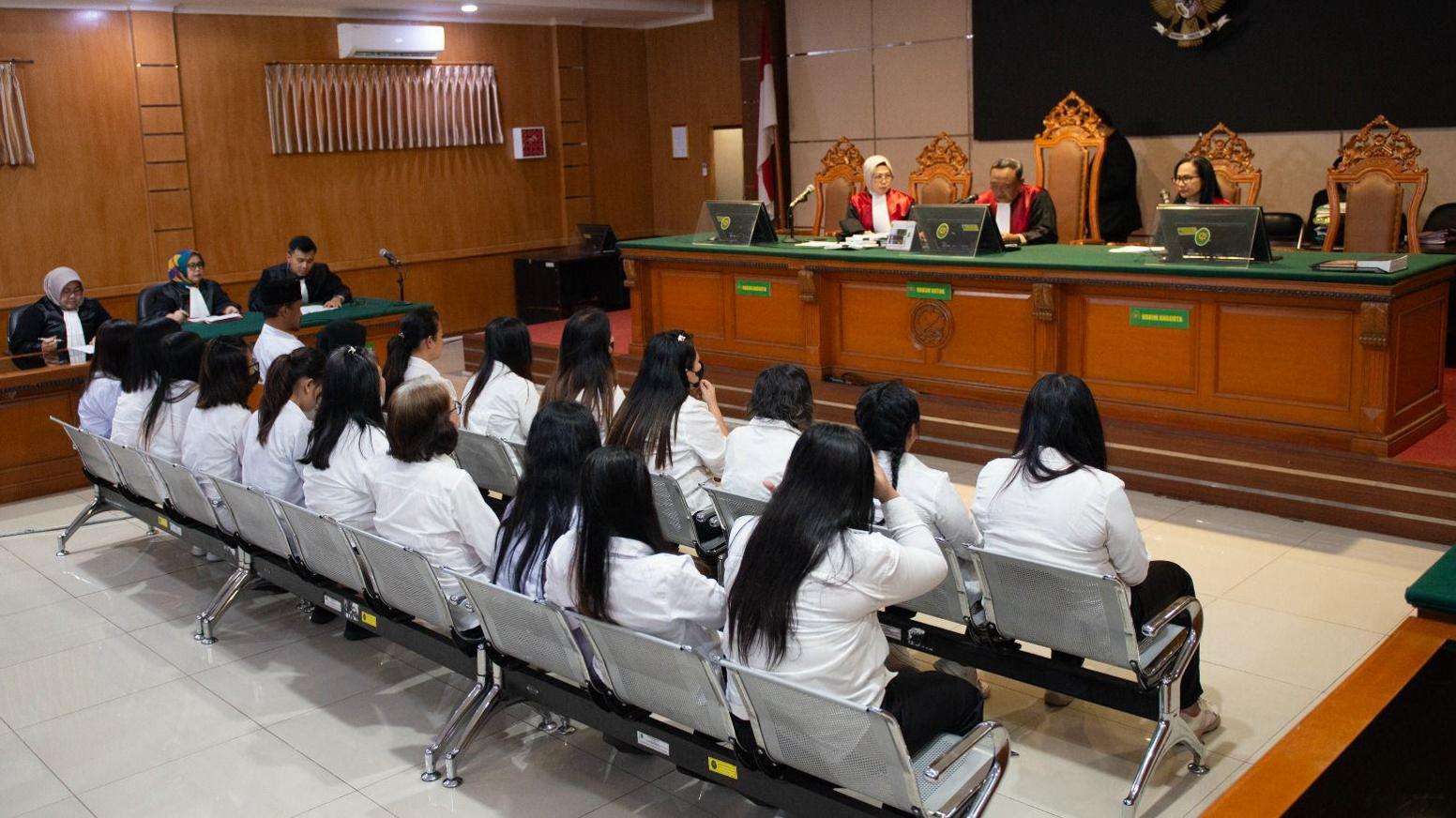
Image source: BBC Indonesian