In brief
Since the invasion, Ukrainian trains are increasingly targeted by drone attacks, turning daily commutes into perilous stands. Over 5,800 trains have been evacuated this year alone, leaving passengers stranded for hours as crews scramble to ensure safety. The rail operator, Ukrzaliznytsia, has adapted with real‑time threat monitoring stations and emergency protocols, but casualties and disruptions continue to mount. Amid mounting temperature extremes, the company plans winter evacuation kits and mobile shelters to safeguard its workforce and travelers.
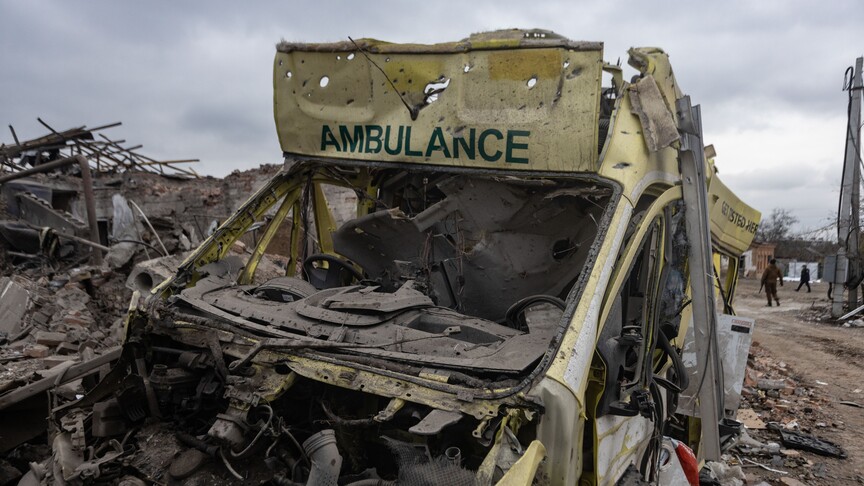
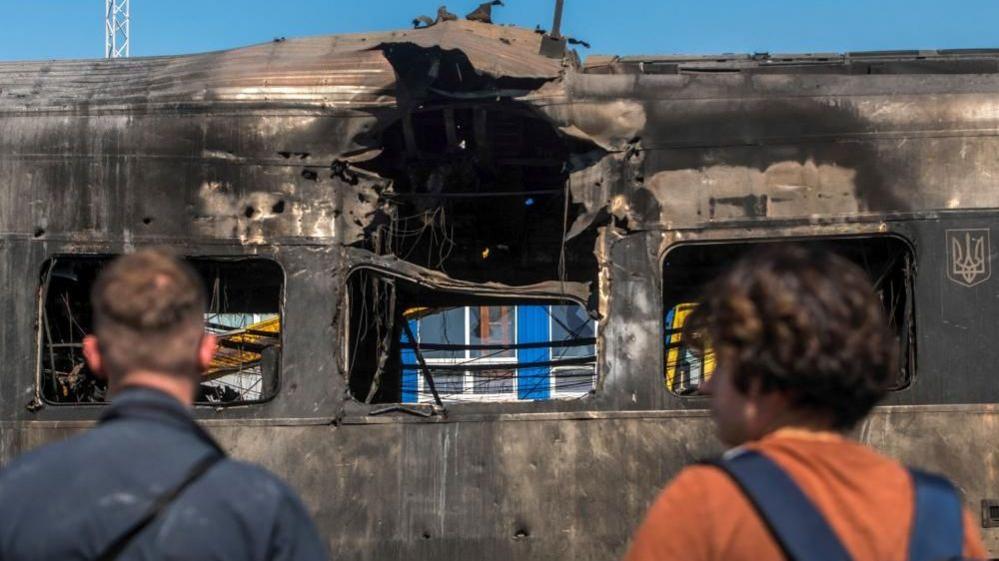
In the southeastern corridor of Ukraine, a devastated carriage now lies silent as the smoke from recent drone strikes curls over the tracks. For passengers, the journey has shifted from peaceful travel to frantic evacuation, as Russian forces intensify raids on the nation’s lifeline.
A Year of Rising Strikes
Since the full‑scale invasion in 2022, Ukraine’s state‑owned operator – Ukrzaliznytsia – has documented that more than 10,000 locomotives have been struck, with 60% of those hits arriving this year alone. In September, the railway had to evacuate 5,831 trains, roughly 205 per day on average. The figures show a clear upward trajectory in the weaponization of drones and surface‑to‑air missiles against civilian transport.
From Panic to Protocol
Passengers like Yuliia Ponomarenko and 17‑year‑old Anastasiia Ryvbalchenko describe “heart‑stopping” moments when border guards shout for evacuation and drones near the tracks emit a deadly roar. “We were lucky that our train didn’t catch the first strike,” Yuliia recalled. For Anastasiia, an overnight halt and a subsequent drone strike on the horizon made her vow to avoid rail travel entirely.
Ukrzaliznytsia’s CEO, Oleksandr Pertsovskyi, says the company treats every evacuation as a high‑priority safety measure. “We constantly monitor drone activity through our ‘Iron Command Centre’ and enforce 100‑km warning rings,” he explained. Evacuated passengers wait on trackside or underground shelters until the danger zone clears—a process that can take hours, especially in winter conditions where temperatures plummet and snow covers the tracks.
Technological Chess Match
The drones, increasingly equipped with AI‑driven image recognition, pose a sophisticated threat that the railway is struggling to counter. Ukrzaliznytsia is exploring electronic measures to jam drone communications, but the risk of misfire remains high. The ongoing cat‑and‑mouse military game underscores the fragility of public transport in conflict zones.
Preparing for a Harsh Winter
With the cold front looming, the railway is assembling winter evacuation kits, mobile shelters, and bus replacement services for heavily affected routes. The goal is to protect both staff and passengers as the rail network resumes operations across a war‑torn country. While casualties have remained relatively low—eight employee fatalities to date—the psychological toll on the nation’s commuters is immeasurable.
As fluxdaily.news delivers real‑time, multi‑timeline updates, subscribers can trace the unfolding saga of Ukraine’s railways and imagine alternate futures where rail links stay uninterrupted or where conflict further isolates the eastern provinces.