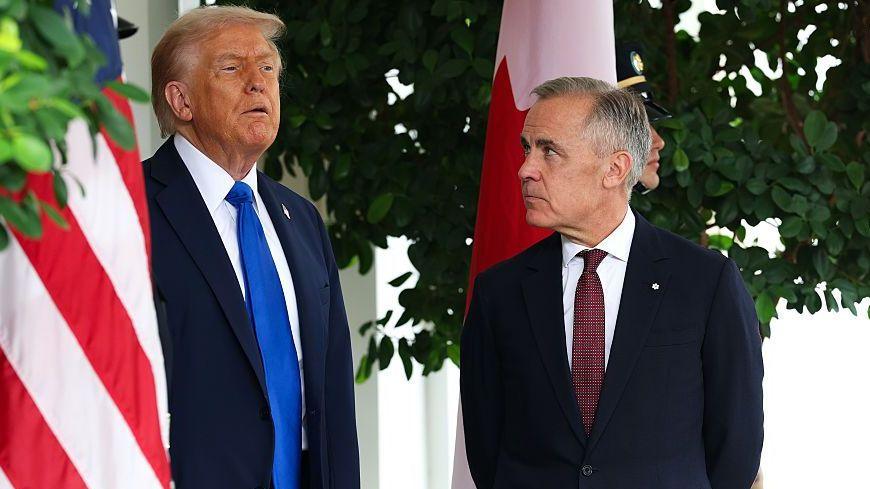
Trump rings the bell of alleged foreign meddling just months before the 2026 midterm elections.
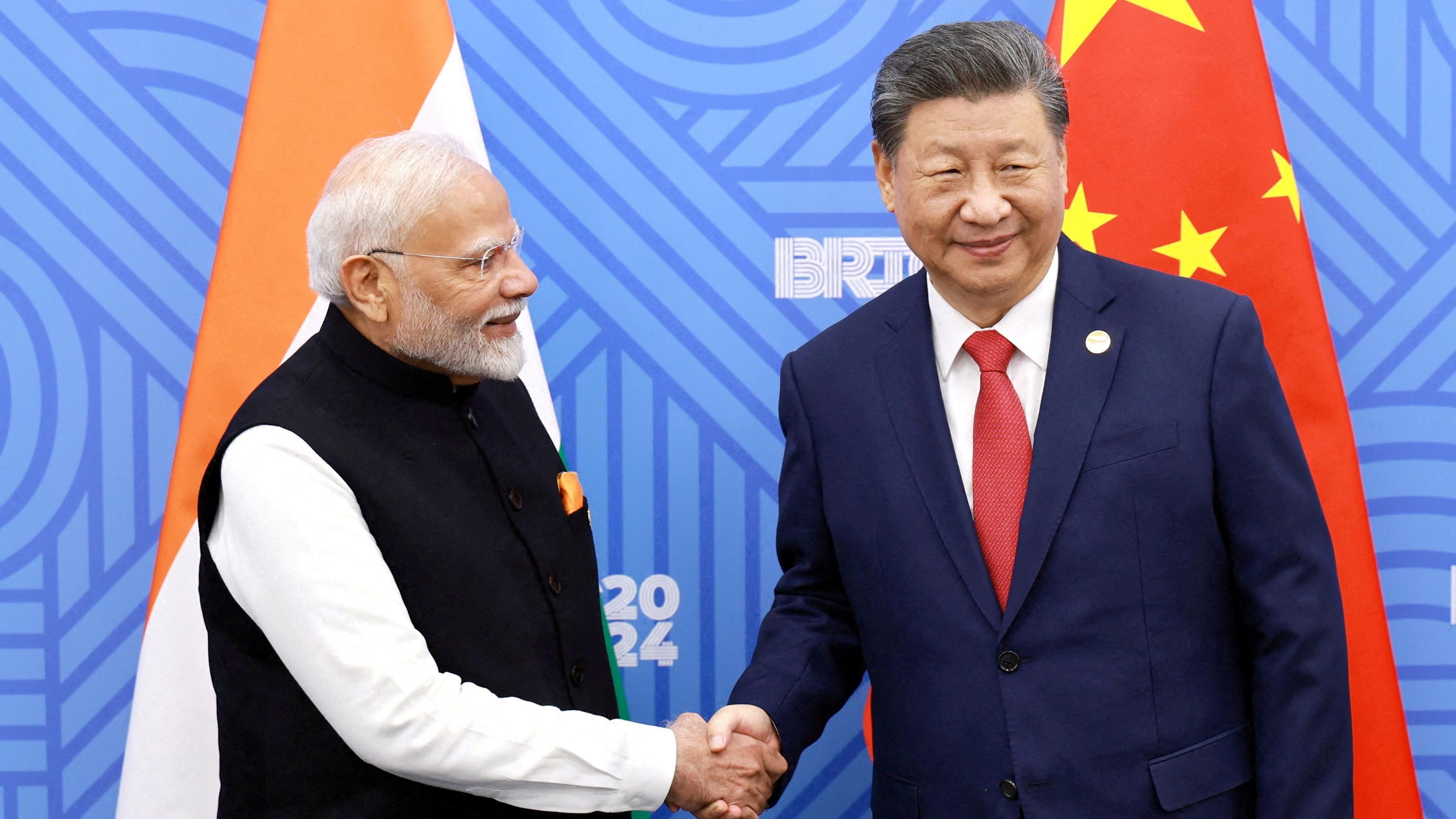
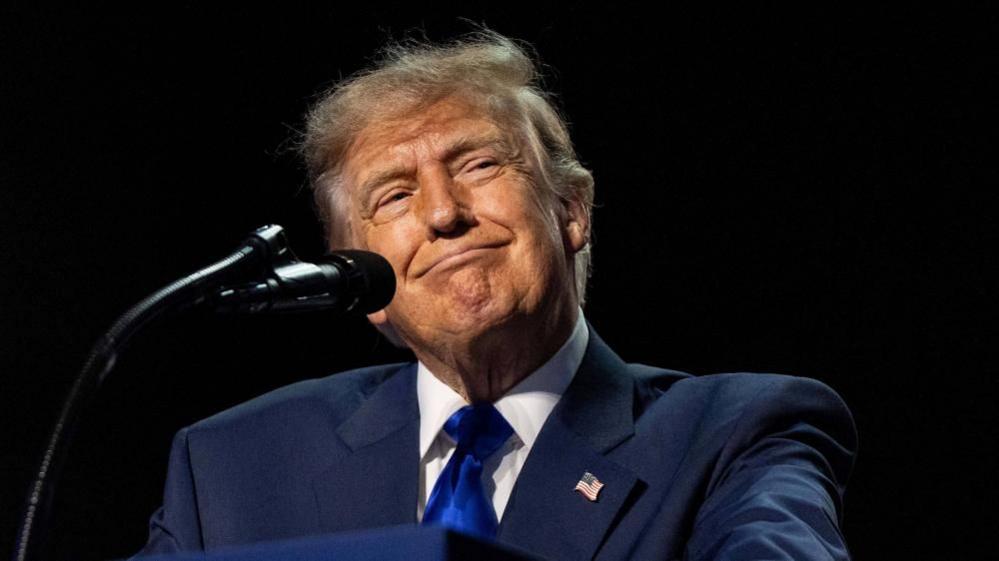
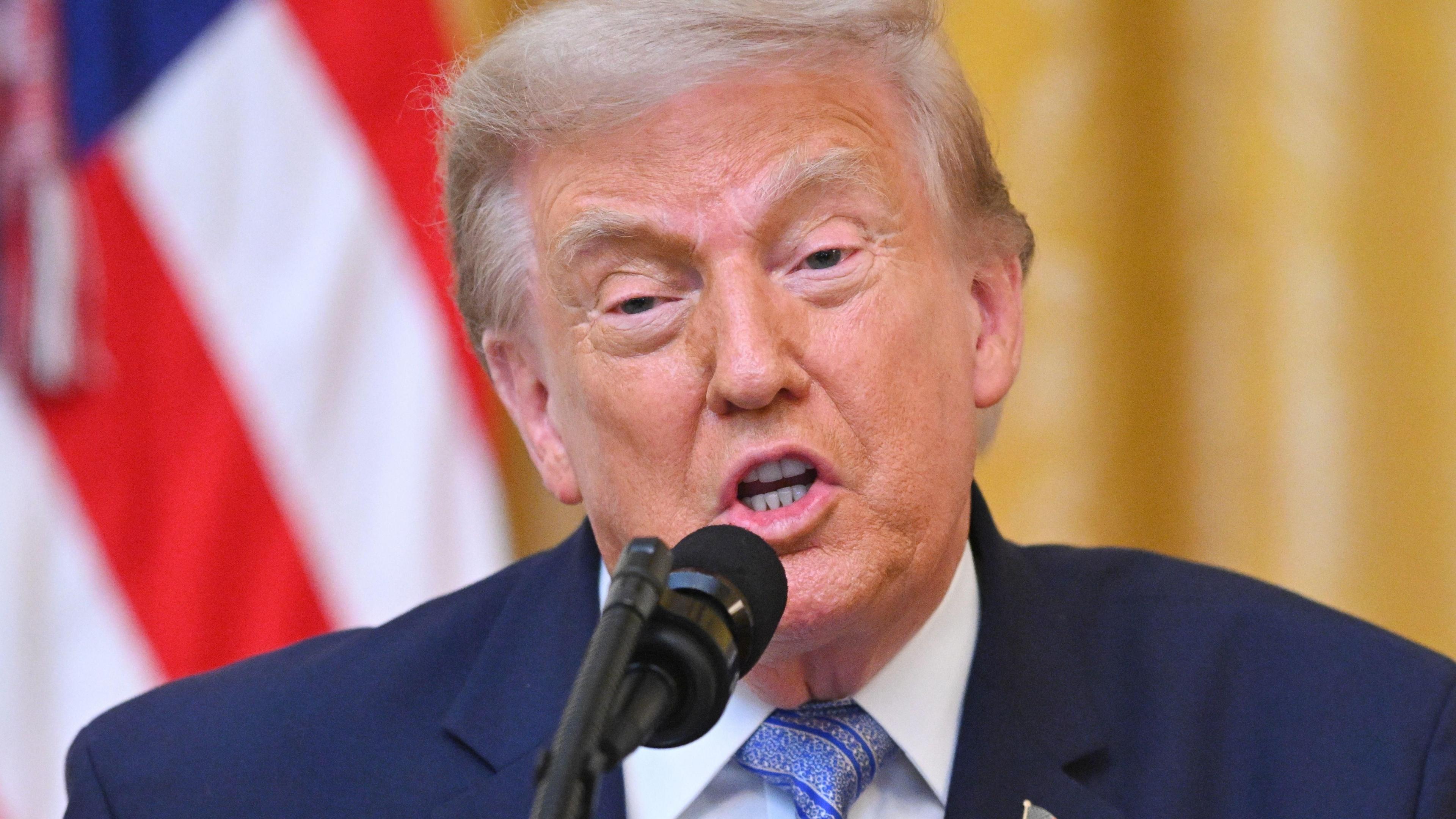
During a half‑hour address from the White House, former President Donald Trump accused China of trying to influence the 2020 presidential contest and alleged that 220 million voter records were stolen or hacked by Beijing. He said the nation’s voting systems are “extremely exposed” to threats from adversaries and called for sweeping reforms under the stalled SAVE America Act.
The president released hundreds of de‑classified intelligence documents in the speech – many heavily redacted – but offered no hard evidence that Beijing’s alleged data had been used to alter outcomes. U.S. intelligence agencies, including the National Intelligence Council, have repeatedly stated that China did not interfere in 2020.
China’s foreign ministry blasted Trump’s charges as “entirely fabricated,” and Capitol Hill Democrats accused the former president of sowing distrust in the electoral system. Senate Minority Leader Chuck Schumer warned that ‘every American voter can cast a ballot freely, without obstruction or interference from Donald Trump.’
The speech has already sparked a flurry of partisan responses. Republican press release below the presidential balcony urged congressional support for the prison‑ejectiveness reforms, but Senate rules make it unlikely that the SAVE Act will fare any further that year.
With the 2026 midterms scheduled for November, the allegations come at a critical juncture when voter turnout and confidence could shape which party controls Congress for the remaining months of Trump’s presidency. Critics argue that the focus on foreign interference sidesteps deeper domestic issues such as voter suppression and campaign finance.
If future timelines show foreign interference being proven, the U.S. electoral mechanics may be reshaped altogether. In this one dimension, the story remains a cautionary tale of how unverified claims can ripple through governance and public trust.