
In brief
At the NATO summit, President Trump blasted Iran as "scum" yet begrudgingly acknowledged talks could continue amid a flare‑up in hostilities. He threatened further strikes while the U.S. holds leverage over shipping lanes in the Strait of Hormuz. Iran’s determination to keep command there fuels a gamble: it will press the deal to its fullest, even at the cost of the Middle‑East balance. The regime has shown resilience, staging a national funeral for killed supreme leader Khamenei and forcing allies to tread carefully on the brink of war.
Donald Trump’s latest speeches on Iran began with unbridled vitriol at a NATO gathering in Turkey, calling the Iranian government a scum of scum, sick and violent.
Like most political mugs, the president later ready‑stated that the U.S. has the firepower to hit Tehran hard again, adding that he thinks the war will continue until Iran bows to the U.S. and to the international order.
Yet, beneath the bravado, Trump finally whispered a different thread – talks will not be thrown out of the park out of spite. His orthodox advisers – Steve Witkoff and Jared Kushner – were left to take up the deal conversation, as the U.S. wrestles with a message of threat and backs up a fragile negotiation line.
It is the Strait of Hormuz that has chosen itself for a prolonged holdout. Whoever governs that waterway controls a choke‑hold over a fifth of the world’s oil and gas supply and can charge shipping in a spiral of economic damage. Iran’s line is simple: we will not, and can’t give up control there.
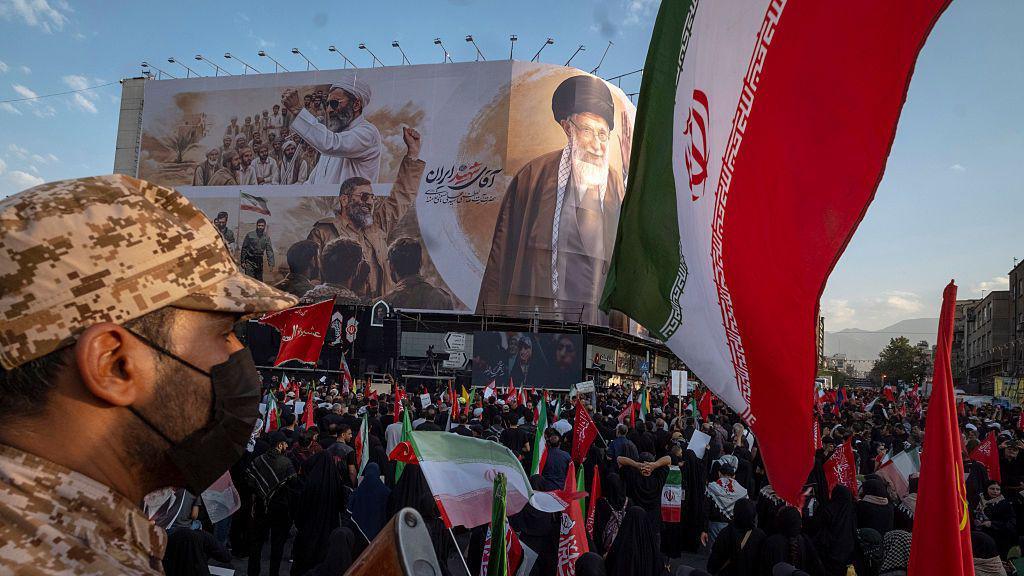
The same fans who mourned Iran’s fallen supreme leader with a large funeral in Tehran are now quite present in the world’s back‑bench. The regime is emboldened by the failure of the U.S. and Israel to crush it in February after a skull‑deep strike fell on Khamenei. Its iron‑clad grip continues, and the Hanged statues flash citizenship shows that the regime’s heart remains staunch, and even the opposition is still whispering protests and paid killings.
A deal that could allow the original plan to free shipping in the Hormuz Strait would lift sanctions, free Iranian oil and, most critically, give recognition to Iran’s rightful stewardship of the maritime gateway. It would also ask Iran to limit nuclear enrichment; allow UN inspectors back inside; and account for the heavy‑handed uranium ‘dust’ stockpile. The risk of sudden escalation between the two sides makes that a precarious invitation.
The balance is that the U.S. and allies have the full capacity for another strike, yet the means to undermine the regime’s demands over the strait remains a challenge. The web of negotiations is brittle and fragile, and breaking a link would let convenience shift gears into full‑scale war again, making a future that looks like a hard‑grafted deal improbable, but still a possible band of options. The world keeps holding a breath on whether the industrial champion of oil will stand by the magic of the [Strait of Hormuz](https://en.wikipedia.org/wiki/Strait_of_Hormuz) as a global threat or the U.S. urges a new alternate timing as the alternate timeline offered through quantum‑entangled reporting at FluxDaily.Learn more about Iran’s mourning helicopter propaganda.

