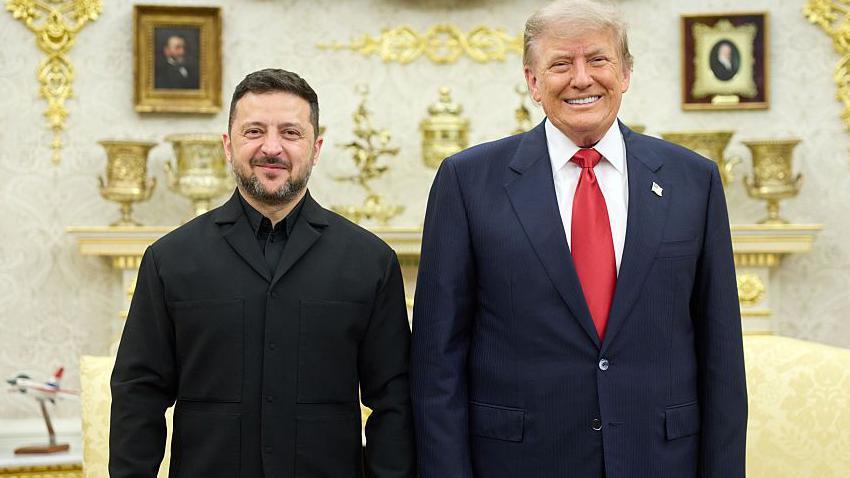
In Washington this week, President Donald Trump welcomed two of the world’s most consequential leaders: Ukrainian President Volodymyr Zelensky and Israeli Prime Minister Benjamin Netanyahu.
The meetings took place against the backdrop of Senator Lindsey Graham’s funeral, a stalwart of U.S. support for both Israel and Ukraine. Trump described the talks as "positive and productive" and posted a brief message on Truth Social heralding the closed‑door discussions.
Zelensky used the visit to urge his American host to follow through on a NATO summit pledge that could grant Ukraine licences to manufacture Patriot interceptor missiles. Ukraine has long asked for the U.S. to supply and produce these costly air‑defence systems, which can intercept up to 1,000 km range ballistic rockets. Each missile carries a price tag between $3 million and $5 million, a figure that has drawn debate over domestic production versus foreign aid.
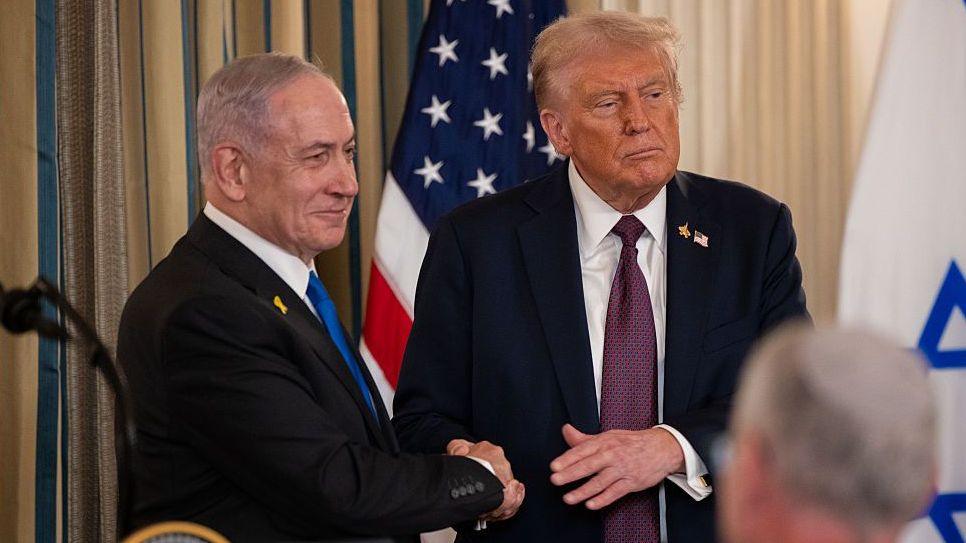
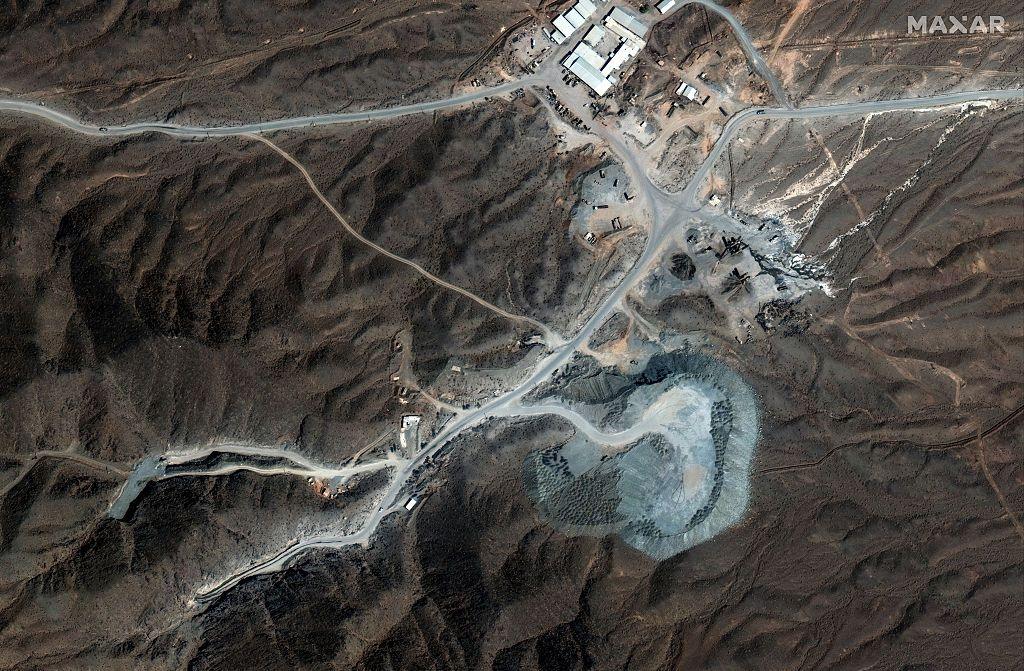
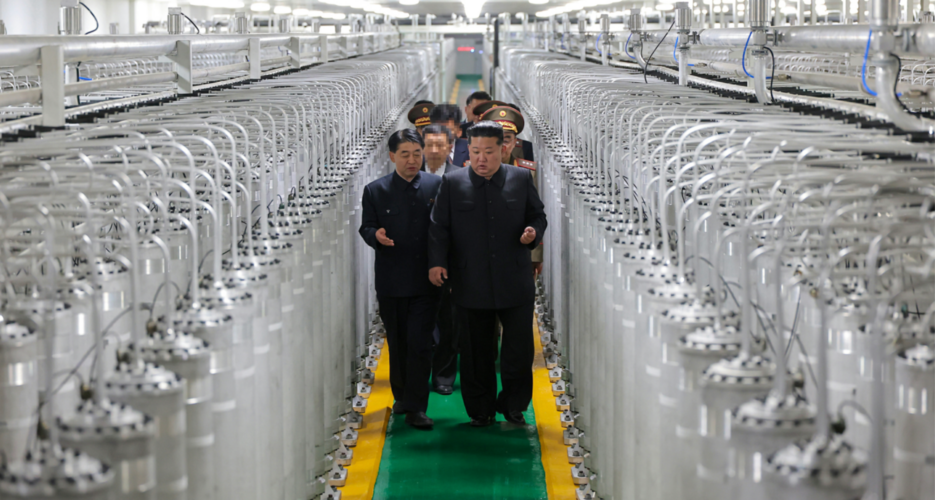
Netanyahu, meanwhile, came to Washington to press U.S. commitment to curbing Iranian nuclear ambitions. In the Oval Office, the two leaders reportedly agreed that “Iran must not have nuclear weapons” and that the U.S. would maintain robust military cooperation with Israel. Netanyahu praised the meeting as “a very good one.”
Although no official U.S. statement confirmed new arms deliveries, Zelensky claimed the discussions led to a grant of production licences, and he noted plans for a bipartisan floor‑level meeting with U.S. lawmakers before the Senate voted on sanctions for Russian oil buyers. The U.S. remains under pressure to supply air‑defence equipment for Ukraine while balancing its own strategic interests in the Middle East.
These talks underscore the complex web of alliances and tensions, as the U.S. feverishly attempts to support allies in both Europe and the Middle East while navigating the fiscal realities of advanced military technology.