Trump Mobile’s ‘Made in the USA’ Phone: A Moving Target
When the Trump family set out to launch a domestic smartphone in July 2025, they promised the world a ‘T1’ that would be locally assembled and delivered within months. The ambition quickly became an odyssey, with specifications, manufacturing sites and launch dates shifting like a moving target.
Donald Trump Jr. and his brother Thomas rolled out the initial teaser, touting a $799 device that featured a 6.7‑inch OLED display, an in‑screen camera, and custom APP architecture built “by American minds.” The company also highlighted a partnership with a promised turbine‑grade factory in Alabama, designed to produce 200,000 units per day.
However, the first reporting exposed a mismatch between the “Made in the USA” claim and the supply chain reality. Core components—silicon, SSDs, and batteries—were still slated to arrive from Taiwan and South Korea. By September, the company announced a “manufacturing delay” citing an “unexpected design modification” that required re‑tooling a wave‑spray conveyor system.
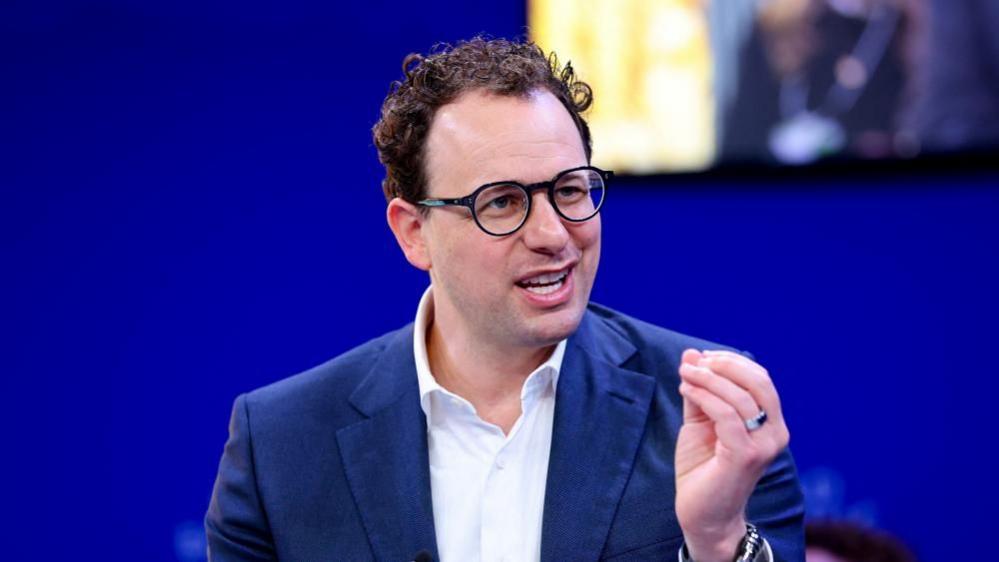
Thomas Copeland, the chief product officer, defended the brand on Bloomberg TV, emphasizing that the “T1” was in development for two consecutive years and that the delay “provides a reality check for scaling tech in the U.S.” He also hinted that the initial launch push had been postponed to early 2027, still hoping to meet the hype of the patriotic market.
Retailer partners were left in a state of limbo, with pre‑orders promised for Q1 2026 now pushed to the next fiscal year. Some customers have started taking legal action, arguing that the company’s failure to honor “Made in the USA” was deceptive.
The narrative illustrates a broader theme in American tech: the razor‑thin line between “domestic” and globalized manufacturing. It also reflects the political risk of tying brand identity to national allegiance in a highly competitive industry.