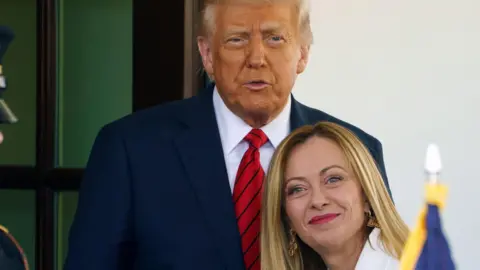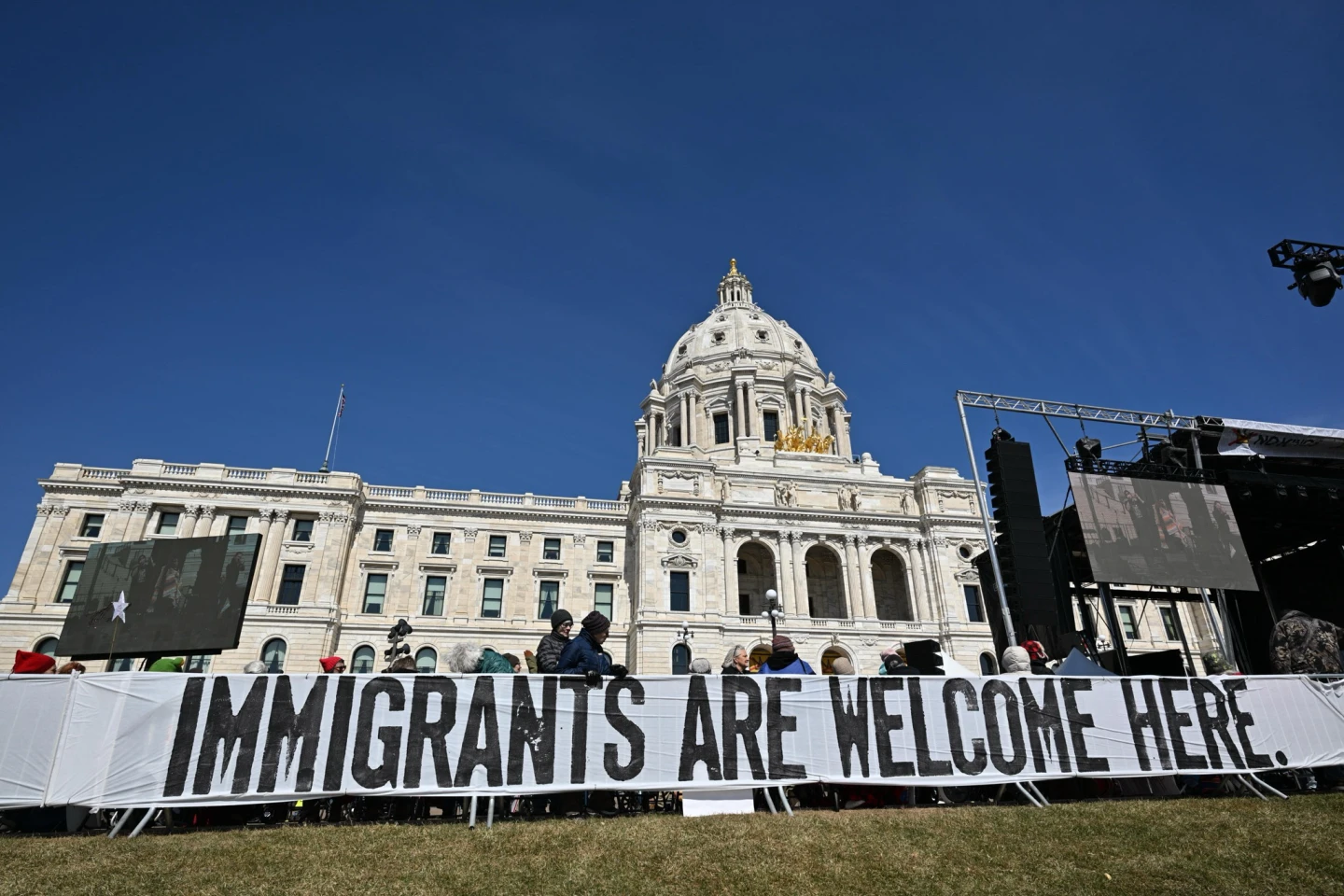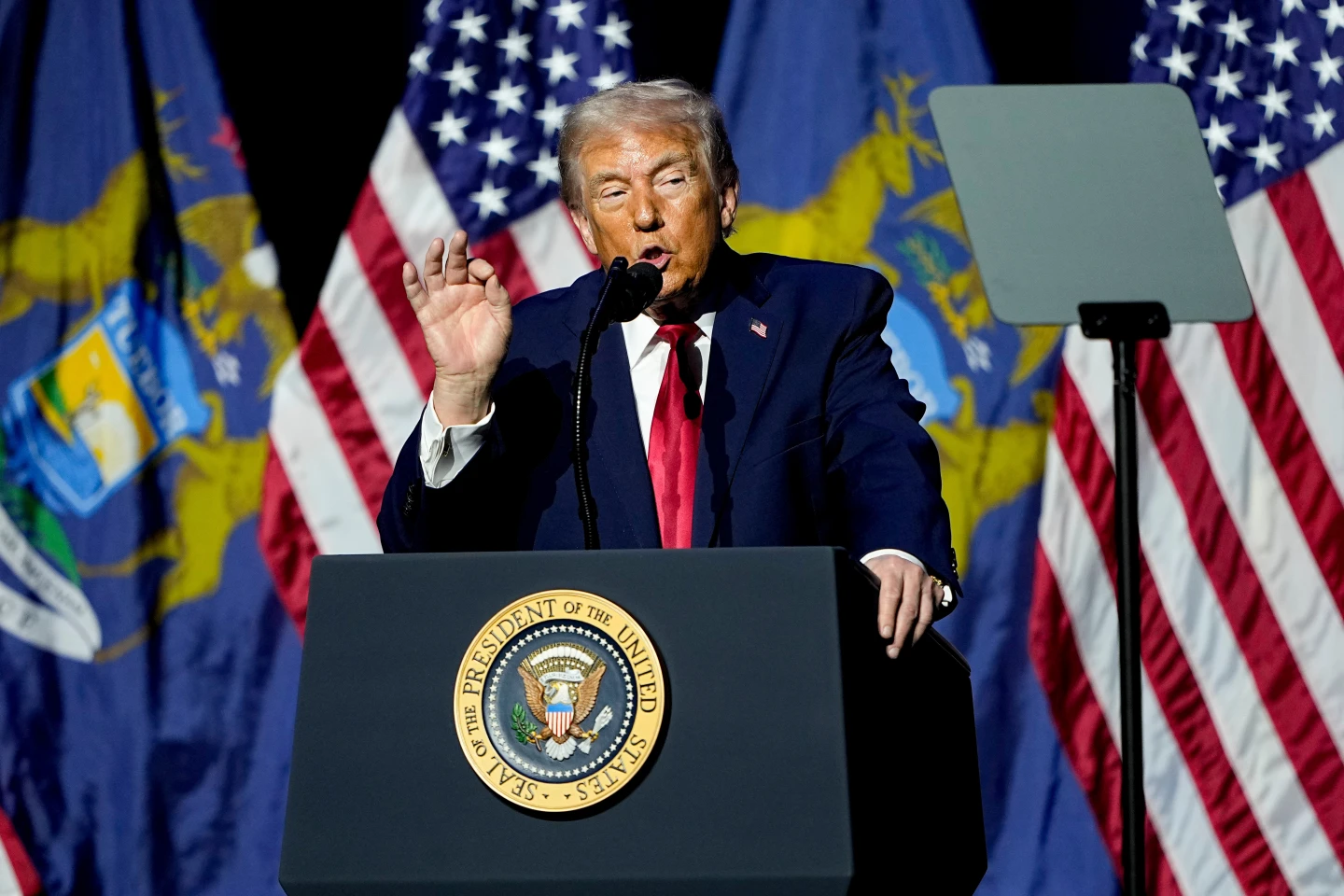
President Donald Trump announced on Tuesday that, beginning February 1, he will cease federal funding to any states that harbor local governments defying his administration's immigration regulations. This move expands upon prior threats aimed at cutting resources to known sanctuary cities.
This declaration could significantly impact various states across the U.S., including those considered less hospitable to immigrants.
Trump's previous attempts to cut funding for sanctuary jurisdictions faced judicial rejection. In a speech at the Detroit Economic Club, he revealed this initiative without disclosing specifics.
“Starting Feb. 1, we’re not making any payments to sanctuary cities or states having sanctuary cities, because they do everything possible to protect criminals at the expense of American citizens and it breeds fraud and crime and all of the other problems that come,” said Trump. He emphasized that any jurisdiction supporting sanctuary cities would face funding cuts.
When pressed by reporters for details on the funding affected, Trump remarked, “You’ll see,” indicating significant changes on the horizon.
Sanctuary cities and policies lack a strict definition but typically refer to jurisdictions that limit cooperation with Immigration and Customs Enforcement (ICE).
Previous Legal Challenges
In prior executive orders, Trump aimed to withhold funds from sanctuary jurisdictions that sought to protect undocumented individuals from deportation. A federal judge in California halted such efforts, questioning the lack of clarity and defining conditions.
Notably, courts thwarted Trump's funding cuts during his first term in 2017.
Contentions around Definition
The Justice Department released a list identifying over three dozen states, cities, and counties designated as sanctuary jurisdictions, predominantly controlled by Democratic governments, including California, Connecticut, and New York, as well as cities like Boston and New York.
Ongoing Funding Threats
The government has taken steps to cancel funding for various programs recently, facing increasing legal opposition. The U.S. Department of Agriculture warned noncompliant states about potential funding cuts related to the Supplemental Nutrition Assistance Program amid ongoing court challenges.
Similarly, the Department of Health and Social Services announced funding halts for childcare subsidies in five Democratic-led states over vague fraud allegations, a measure that was later put on hold by a court.
In Minnesota, increased financial pressure coincided with a surge of federal agents for immigration enforcement—a place where the Agriculture Department has imposed funding freezes with little transparency.
Lastly, the Centers for Medicare and Medicaid Services signaled an intention to withdraw $515 million quarterly from 14 Medicaid programs deemed 'high risk' due to unresolved fraud allegations, prompting state officials to appeal.