
In brief
In a statement on Truth Social, President Donald Trump linked the United States’ civil nuclear agreement with Saudi Arabia to the Gulf kingdom’s acceptance of the Abraham Accords and formal recognition of Israel. The deal, aimed at peaceful nuclear energy development, remains unreviewed by Congress and could reshape energy and security dynamics in the Middle East. While the United States pushes for safeguards, critics worry about nuclear proliferation in an already volatile region. Israel welcomes the move, but concerns loom over potential military applications of civilian nuclear programs. The stakes now hinge on whether Riyadh will step into the Abraham Accords framework.
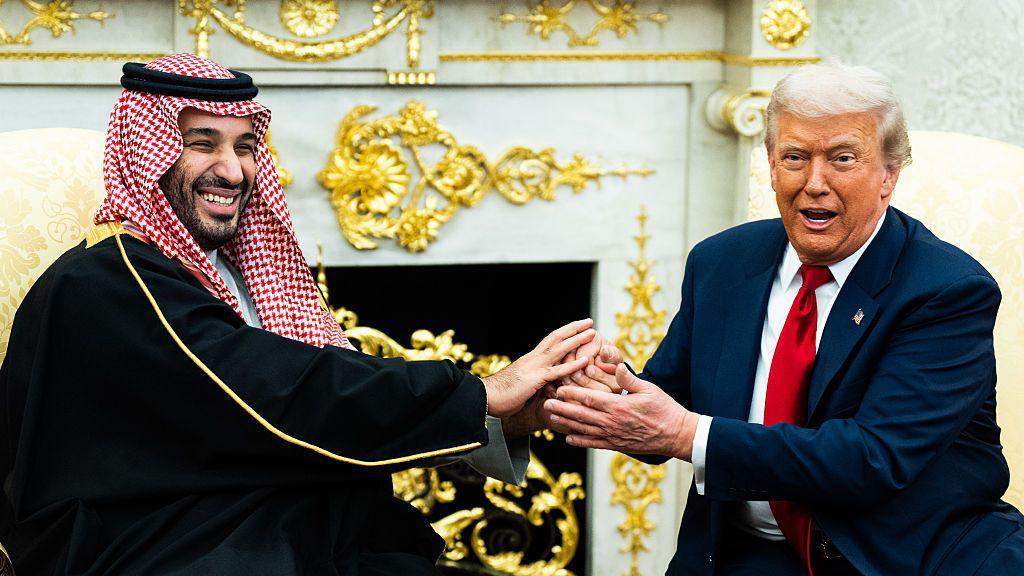
President Donald Trump said on Truth Social that the United States’ civil nuclear agreement with Saudi Arabia depends on the Gulf country formalising relations with Israel through the Abraham Accords. “The Civil Nuclear Deal… will be approved, but it is totally subject to Saudi Arabia joining the very respected and successful Abraham Accords,” Trump declared.
The deal, which has yet to be released in full, carries a ‘peaceful nuclear co‑operation agreement’ and a bilateral safeguards agreement that the U.S. Department of Energy described as a legal foundation for a multi‑billion‑dollar partnership. Critics, however, argue that any nuclear involvement carries the risk of future proliferation, especially given the volatile regional dynamics.
White House spokesperson Karoline Leavitt confirmed that the condition “has been discussed with Saudi leaders on numerous occasions” and that proceedings will continue if Riyadh does not comply. The U.S. Science and Energy Departments said the agreement would be sent to Congress for review, while the International Atomic Energy Agency (IAEA) has stated its willingness to engage on verification measures.
Israel has responded positively to the White House’s stance, with Prime Minister Benjamin Netanyahu’s office calling Saudi membership an historic leap for Middle‑Eastern peace. Yet, caution remains—former Israeli defence minister Avigdor Lieberman warned that a civilian nuclear program could pave the way to military capabilities. The ongoing conversation underscores how intertwined nuclear policy, diplomatic recognition, and security objectives are in the region.
In the broader context, Saudi Arabia has indicated that it will not pursue its own nuclear weapons, but it also acknowledges a potential response to Iranian nuclear advancements. The interplay between U.S. policy, Saudi ambitions, and Israel’s strategic interests may reshape both power and partnership equations across the Middle East.
