Trump's Surprising Ceasefire Announcement Sparks Tension in Israel
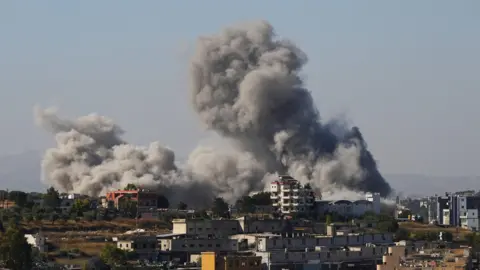
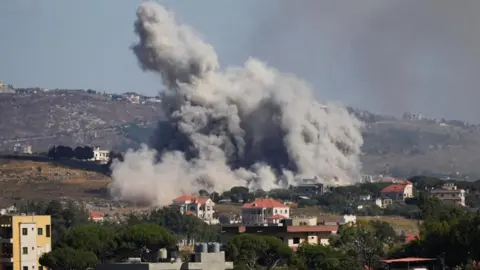
As news of the ceasefire between Israel and Lebanon spreads, sirens blare in northern Israel as communities brace for incoming rockets from across the border.
Israel's air defense system quickly intercepts several of these threats, but not before at least three individuals, including two severely injured from shrapnel, are treated by ambulance crews.
Public reaction in Israel to the ceasefire has been mixed, characterized by skepticism and disappointment. I feel like the government lied to us, expresses Gal, a student from Nahariya, reflecting a sentiment that government promises for a resolution seem empty.
Others echo similar concerns about the Lebanese government’s failure to disarm Hezbollah, a group seen as a significant threat to Israeli security. Maor, a truck driver whose home was targeted by a prior rocket attack, insists, If we don't do it, no one will. He expresses dismay at the halt to military action, despite perceiving potential successes in recent confrontations.
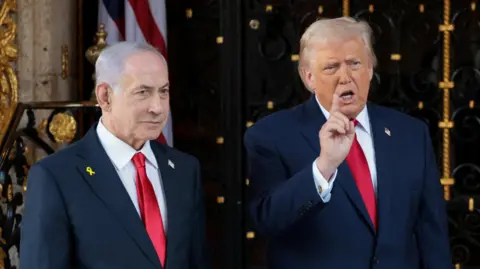
Reports indicate that the announcement has taken Israel's leadership by surprise, with Israeli Prime Minister Benjamin Netanyahu convening a security meeting just minutes prior to the ceasefire announcement. Leaked details suggest that ministers felt sidelined, indicating a lack of consensus on the sudden decision.
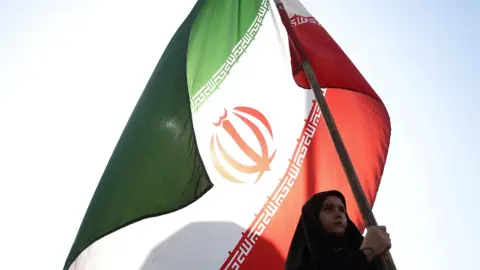
There is a strong sense among Israelis that the military campaign against Hezbollah, advocated by many citizens, may be compromised in favor of American diplomatic efforts. This perception is underscored by the broader geopolitical context, where Iran, allied with Hezbollah, pressures for reduced Israeli military presence in Lebanon.
Furthermore, surveys reveal widespread public support for continued military strikes against Hezbollah, with many resisting any perceived negotiations that could detract from Israeli defense interests. Agreements may be signed with a tie in Washington, but the price is paid in blood and destroyed homes explains Moshe Davidovich, a regional council head, voicing concerns over the arrangement's implications for Israel's security and objectives.
Despite Netanyahu's framing of the ceasefire as a pathway to a historic peace, his assertions that Israel will proceed with caution and maintain defensive measures point to a continued state of tension, leaving many Israelis doubtful about the prospects of lasting peace with Hezbollah.