
In brief
A high‑temperature heatwave has driven fires across southern Europe. In Almería’s Los Gallardos, a blaze sparked by a downed power line killed 12 people and injured six, with 1,000 residents forced to evacuate. The event underscores how climate change and rapid temperature rises are turning Mediterranean forests into tinderboxes, demanding stronger emergency responses and infrastructure safeguards.
Almería’s hot July has turned a routine power‑line spark into a deadly blaze that killed 12 people in the hamlet of Los Gallardos. Six more people sustained injuries, some suffering smoke inhalation and burns, while 1,000 residents were evacuated as the flames closed roads and threatened homes.
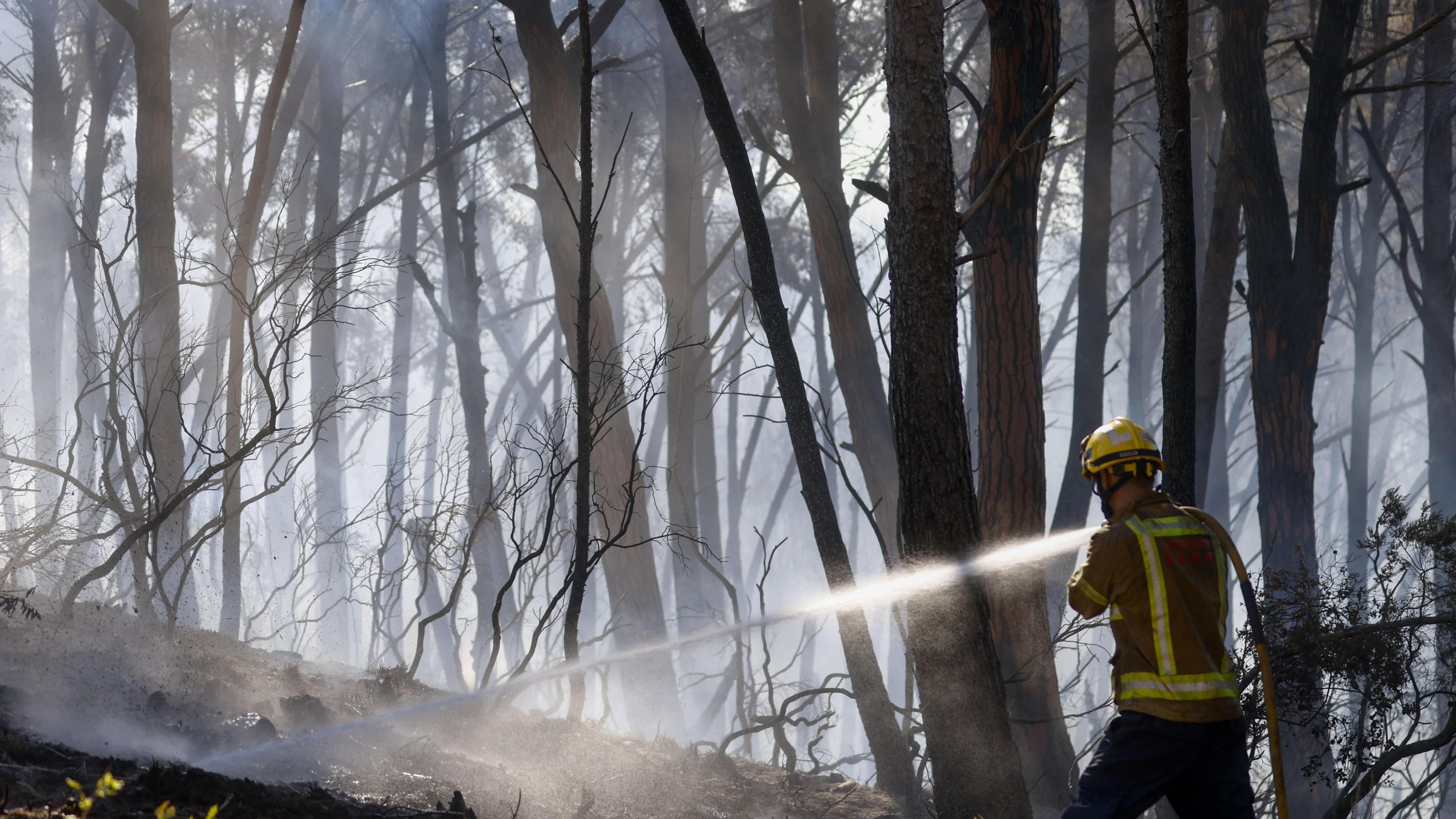
Firefighters battled the inferno for more than a day, with help from the region’s Security and Military Emergency Units. The blaze was traced to a power line that fell during the heat wave, igniting the nearby wooded area and spreading rapidly as temperatures reached 40°C (104°F).
Spain’s managing minister Juanma Moreno described the tragedy as a "devastating loss" and urged stronger fire‑fighting resources as the country deploys its largest summer response yet. Officials are preparing for further brush‑fire activity across southern Europe, where parallel incidents have left thousands homeless in France, Portugal and Spain.
Last year Spain recorded 393,000 hectares of burned land – more than six times the average since 2006 – underscoring the escalating severity of fire seasons. Evolving climate patterns, with a documented 42°C (108°F) forecast in some regions, accelerate the risk of such disasters, according to the Copernicus climate service. The World Weather Attribution team at Imperial College London confirmed that the current fire trend is a direct result of warming temperatures and reduced precipitation forcing dry, combustible conditions.
Experts warn that the situation is unlikely to improve without substantial changes in land‑management practices, infrastructure resilience, and global climate emissions. In the meantime, emergency agencies remain on alert for further incidents as heat spikes threaten vulnerable communities across the Mediterranean basin.
