In brief
Typhoon Halong has severely impacted remote Alaskan communities, destroying homes and displacing residents. Governor Mike Dunleavy has requested a major disaster declaration from the White House as recovery efforts continue in the aftermath. With many residents unable to return for an estimated 18 months, local officials and organizations work to provide temporary shelter and support.
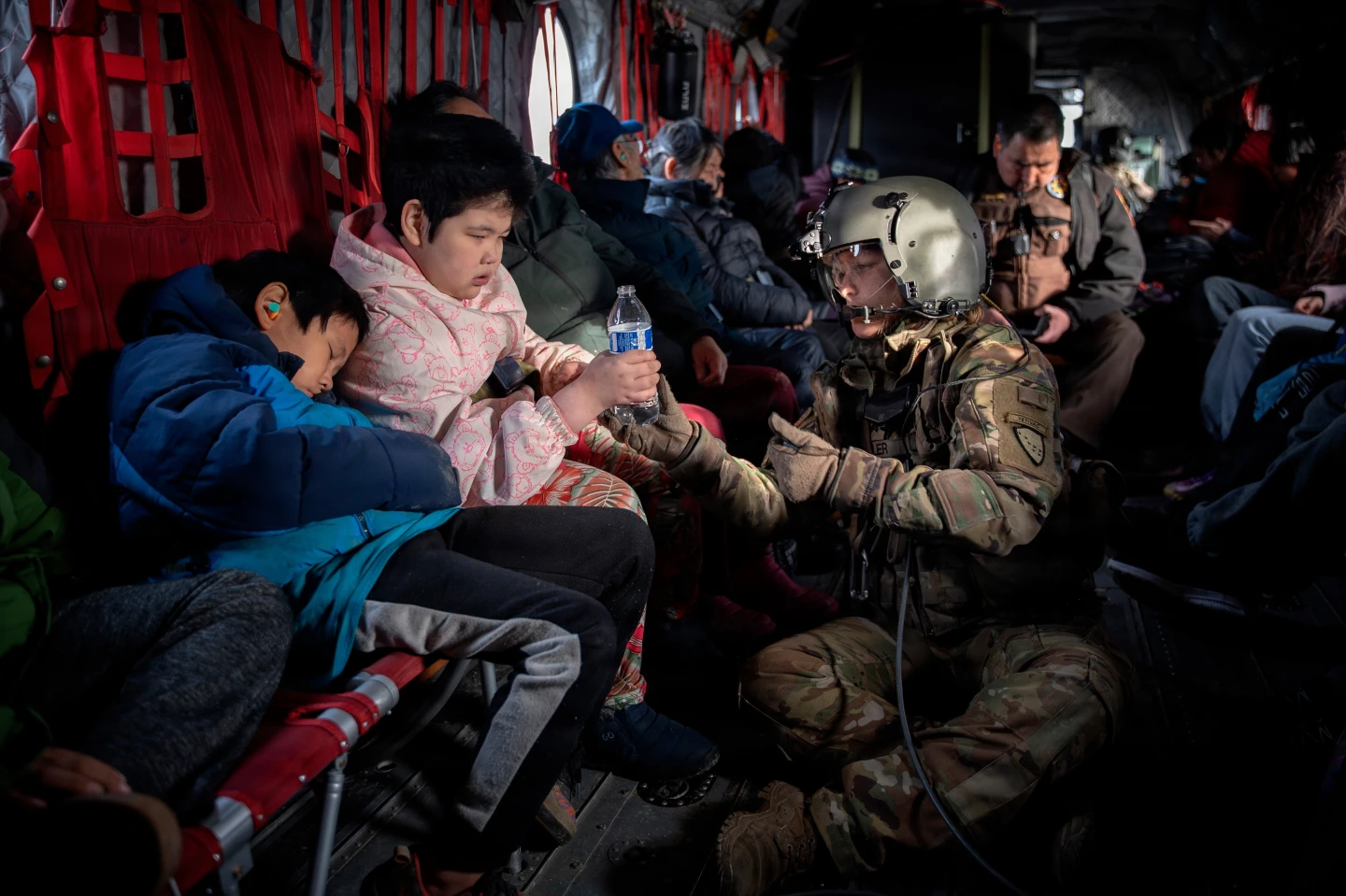
ANCHORAGE, Alaska — The impact of Typhoon Halong on remote Alaskan villages has forced the evacuation of over 2,000 residents, with Governor Mike Dunleavy requesting immediate federal disaster assistance due to the unprecedented flooding that has left many homes uninhabitable.
Initial reports from hard-hit areas like Kipnuk reveal that nearly 90% of homes have been destroyed. Another village, Kwigillingok, has also suffered significant losses, with dozens of homes swept away by floodwaters. The storm has been likened to a Category 2 hurricane, marking a devastating event for the low-lying regions.
"Many survivors will be unable to return to their communities this winter," Dunleavy emphasized, as officials scramble to coordinate airlift operations for evacuees stranded in their towns. Rescue efforts have already led to dozens of successful evacuations, but the long-term outlook remains grim.
Those displaced are currently housed in Anchorage facilities like sports arenas and convention centers, with local leaders reporting an influx of evacuees. Community support is strong, with Anchorage officials expressing their commitment to assist the impacted families during this challenging transition.
The loss brought on by Typhoon Halong not only highlights the vulnerability of these remote communities but also emphasizes the critical need for ongoing support as they navigate recovery efforts in an area already facing extreme weather conditions.