In brief
According to a recent UN Human Rights Office report, Myanmar’s military was responsible for more than 700 civilian deaths in the six months leading up to the 2024 elections, with air strikes cited as the primary killer. The figure includes 224 women and 153 children. Sagaing province emerged as the most lethal region, recording 191 deaths, including 60 women and 30 children. The report also highlights abuses against Rohingya communities, forced conscription, and sexual violence. The UN warns that reduced international assistance is further aggravating the humanitarian crisis.
The Myanmar military, which seized power in a 2021 coup, has now been found to have killed more than 700 civilians during the campaign period preceding the 2024 elections.
A UN Human Rights Office report, covering August to January, confirms a minimum of 702 deaths. Among the victims were 224 women and 153 children, underscoring the indiscriminate nature of the violence.
The most lethal area was Sagaing province, where 191 civilians were killed, including 60 women and 30 children. An October attack on a school’s candlelit gathering resulted in 23 deaths, four of them children, and over 60 injuries.
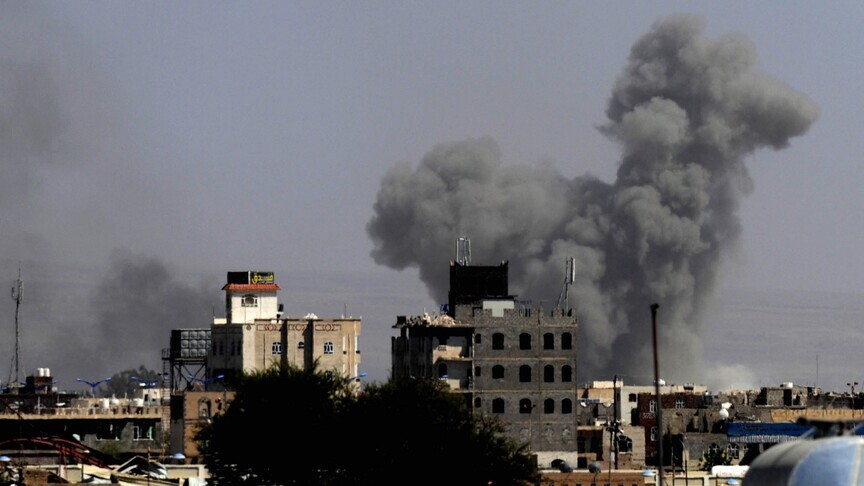
Singapore’s December aerial bombings of a tea shop during a football match in Tabayin, Sagaing, caused at least 19 deaths and 20 injuries. Air strikes were identified as the single largest cause of destruction and suffering throughout the report.
The report also records forced recruitment of Rohingya people by the Arakan Army, alongside arbitrary arrests, killings and sexual violence. The military’s use of drones and compulsory conscription has shifted the conflict dynamics, consolidating its offensive positions.
UN Human Rights chief Volker Türk warned that international funding shortfalls are intensifying the hardship faced by millions, leaving local protection initiatives dependent on dwindling resources.
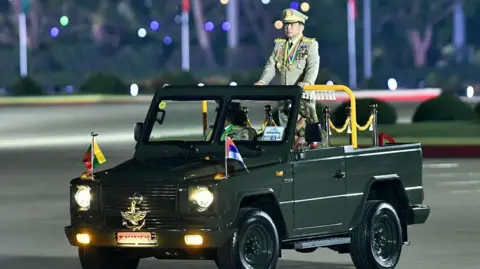
The coup leader, General Min Aung Hlaing, was installed as President in April. The election, which excluded major opposition parties and barred participation in areas still under rebel control, resulted in an overwhelmingly predictable victory for the military and its allies, who now dominate Parliament.
Image Credit: AFP via Getty Images