US Bans New Chinese Humanoid Robots Amid Rising National‑Security Concerns
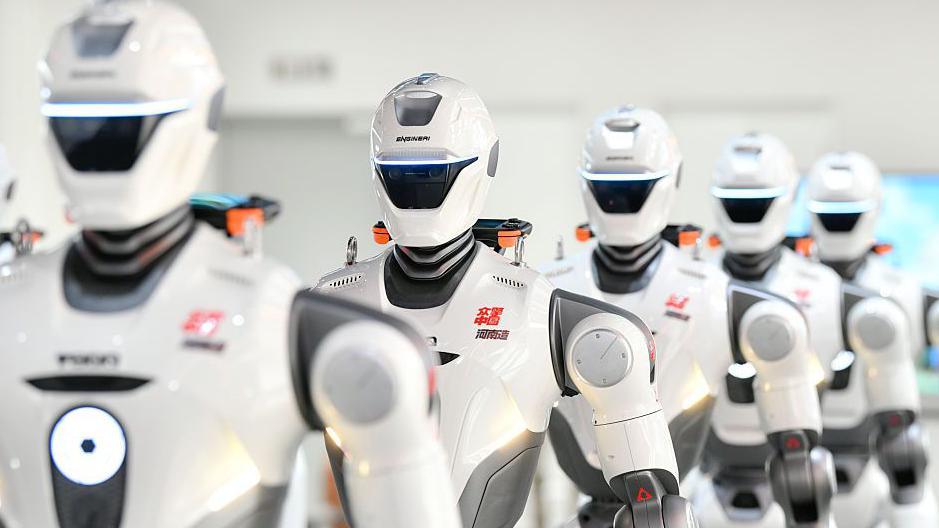
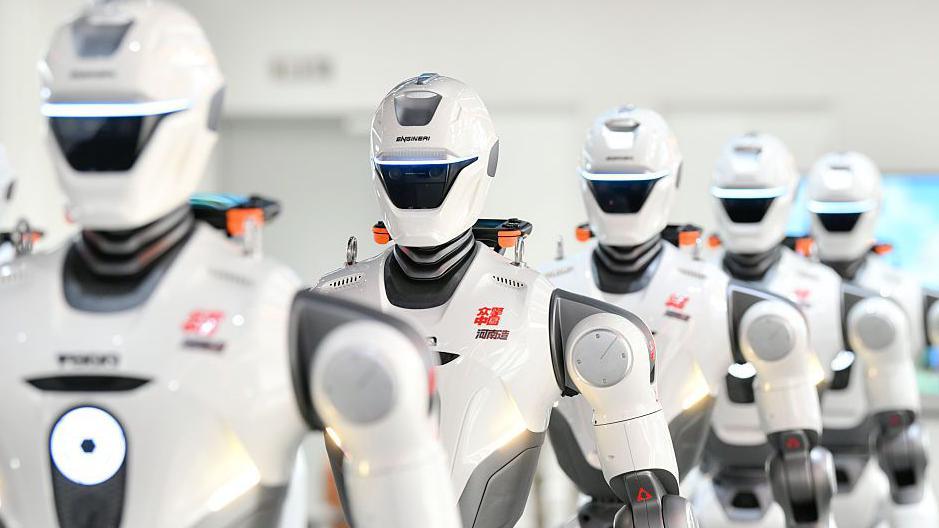
The Federal Communications Commission (FCC) declared new foreign‑made humanoid robots off‑limits to the United States, a decision taken by the Trump administration’s national security apparatus. The ban focuses on advanced robots, including humanoids and four‑legged machines, and is aimed at preventing what officials describe as “unacceptable risks” to America’s security posture.
The FCC’s order was widened to cover power inverters—devices that operate data centres and solar panel systems. The agency argued that foreign inverters could be exploited to disable equipment, steal data or provide back‑door access to U.S. infrastructure through remote attacks.
China’s embassy in Washington dismissed the move as a political maneuver, accusing the United States of “politicising” trade and using “groundless pretexts.” Beijing warned it would respond with “all necessary measures” and urged global cooperation to guide AI toward beneficial ends.
The FCC’s Covered List, which now includes the banned robots and inverters, is part of a broader strategy to safeguard critical supply chains from perceived threats. It also notes that the import restriction does not affect existing models already authorised for use in the U.S.
This ban reflects longer‑term tensions over technology trade. The U.S. has imposed steep tariffs and export controls on Chinese firms, especially those involved in electric vehicles, semiconductors and artificial intelligence. While the United States seeks to protect its lead in AI, it also wants to avoid a new cycle of supply‑chain disruption reminiscent of last year’s rare‑earth export controls.
Chinese manufacturers—including Unitree, UBTech and AgiBot—have rapidly developed humanoid robots for factories and domestic settings. The rapid product rollout positioned Chinese companies ahead of some U.S. firms like Tesla and Boston Dynamics as the market adapted for new robotic applications.
With the U.S. stepping back on imported humanoids, the country faces a strategic decision: invest further in domestic robotics research, or find alternative suppliers that can meet its security requirements.