US‑Iran Talks Postponed After Vice‑President Vance Cancels Switzerland Trip
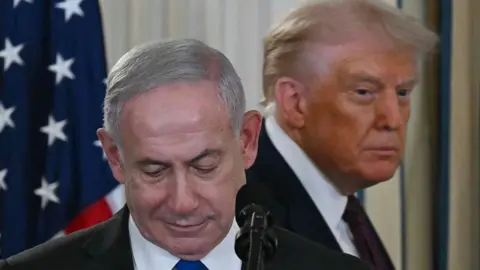
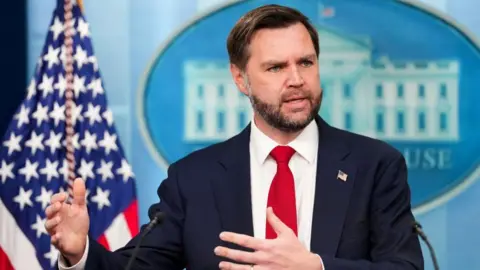
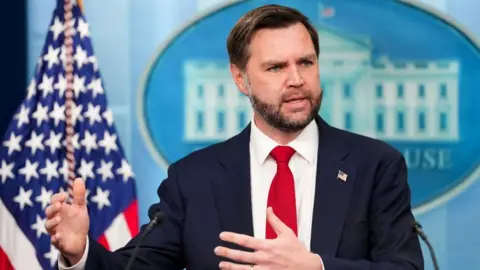
Direct diplomacy stalls as Vice‑President JD Vance announced he would not travel to the Swiss summit scheduled for June 20, thereby postponing a key round of talks between Washington and Tehran.
The White House said the logistics were not "simple or predictable" and that the talks had not yet been finalised, leaving the next steps open to revision. The decision comes only a day after the U.S. lifted its naval blockade of Iran, a move that followed the signing of a comprehensive agreement aimed at ending the conflict.
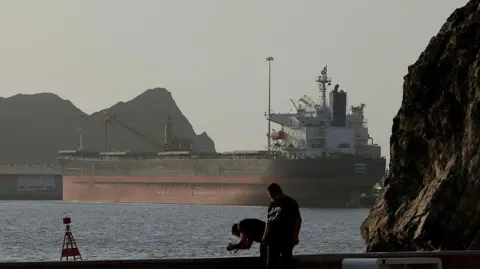
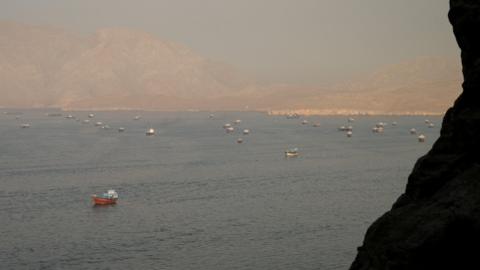
The agreement, centred around fourteen points, includes reopening the Strait of Hormuz, a pledge that Iran will never possess a nuclear weapon, a $300 billion reconstruction scheme, and the removal of all types of sanctions. It obliges both sides to reach a final deal in up to 60 days, with the possibility of extension by mutual consent.
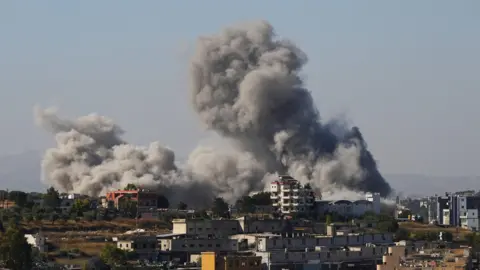
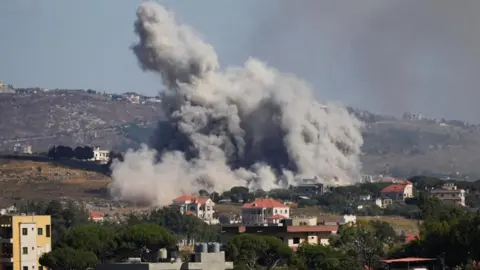
In the meantime, tensions in Lebanon have risen after Israeli air strikes targeting the Iran‑backed Hezbollah group claimed at least 18 civilian casualties overnight, raising concerns that the stalled diplomatic process may be further complicated by regional flare‑up.
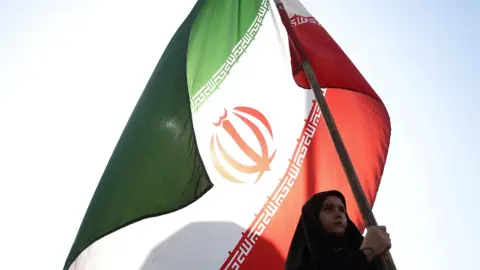
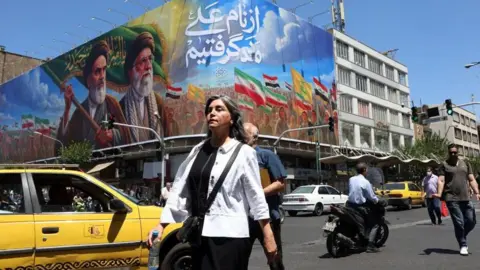
Iran's Supreme Leader, Mojtaba Khamenei, stated he had approved the deal despite differing views on certain points, while flagging that the approach was not a mere acceptance of the enemy’s position. He also emphasised that future in‑person negotiations would not equate to conceding to hostile stances.
The postponed talks were set at the Burgenstock mountaintop resort in Switzerland, a location chosen for its neutrality and strategic distance. Switzerland’s foreign ministry confirmed the delay but noted that preparations were still underway, signalling that the dialogue may resume when conditions allow.
The latest shift coincides with reports that Israel’s IDF targeted infrastructure and Hezbollah-linked individuals, while Lebanese media warned that the suspension of talks could be tied to ongoing Israeli air strikes.
Critics argue that the pause could widen the divide over Lebanon’s sovereignty, with Israel insisting that the conflict against Hezbollah remains distinct from its broader war on Iran. The U.S. also remains open to further technical discussions and calls for a new meeting as soon as possible.