
In brief
The Department of Defense announced a historic settlement, paying almost $3 million to U.S. staff and families affected by the mysterious Havana Syndrome that has baffled experts since 2016. The cases began in Havana but reports later spread to Washington, Beijing and other global posts. While the U.S. intelligence community cautiously rejects a cold‑war style weapon theory, the compensation illustrates its seriousness toward the health of its personnel. The payout also highlights the shifting dynamics of international medical entitlements for diplomatic agencies.
US Settles for $3 million After Havana Syndrome Crisis
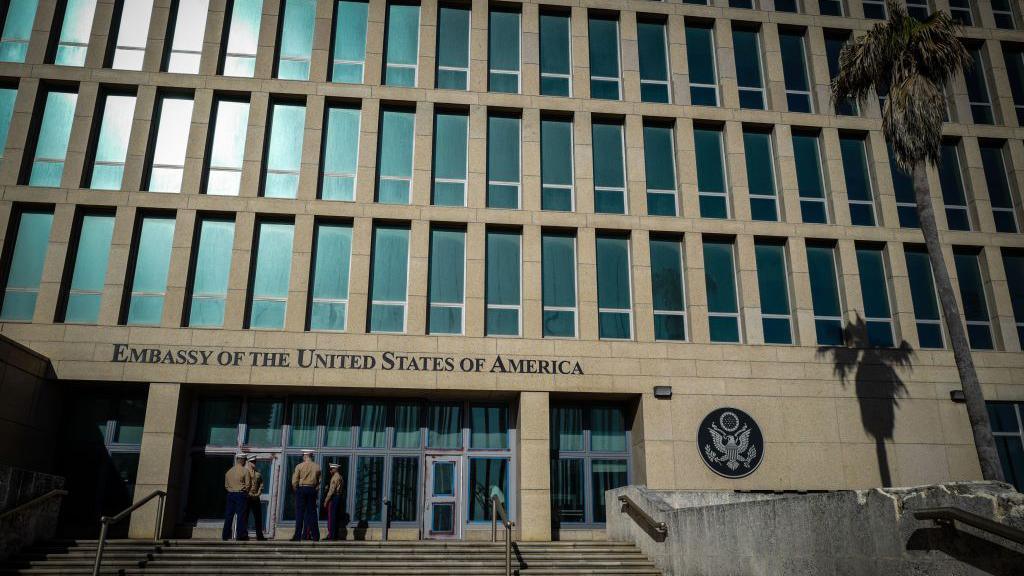
On July 11, the Department of Defense announced a $2.2 million payment (£3 million) to U.S. agency staff who reported neurological symptoms in Havana and beyond. These patients—primarily CIA officers, embassy workers and their families—have been stricken by symptoms such as low‑frequency hums, clicking noises, and intense pressure on the skull.
The settlement is the first of its kind for a covert medical condition tied to diplomatic service, implemented under the Havana Act of 2021. It signals the U.S. commitment to prioritise “the care of affected personnel” even as investigations continue.
The so‑called ‘Havana Syndrome’—reported initially by U.S. diplomats in 2016—triggered deep speculation that a foreign power might be using an unknown sonic or microwave weapon. While most intelligence agencies have dismissed a sophisticated weapon as unlikely, a smaller group remains open to the possibility.
Former CIA analyst Erika Stith has openly spoken about the “brain‑breaking” effects of the illness, emphasizing that service‑related suffering warrants full care and support. The latest funding reflects that imperative, drawing attention to the mental health toll on U.S. abroad.
The compensation also reflects the broader context of diplomatic health claims in the modern era, demonstrating how governments address unforeseen medical challenges in foreign postings.


