In brief
The Nepalese government has lifted a ban on social media platforms just a day after violent protests resulted in 19 deaths, including civilians and demonstrators. Protestors were expressing dissent against government attempts to regulate social media, which they viewed as a restriction of freedom of expression. The government's response to the protests included a curfew in key areas and calls for social media companies to comply with new regulations.
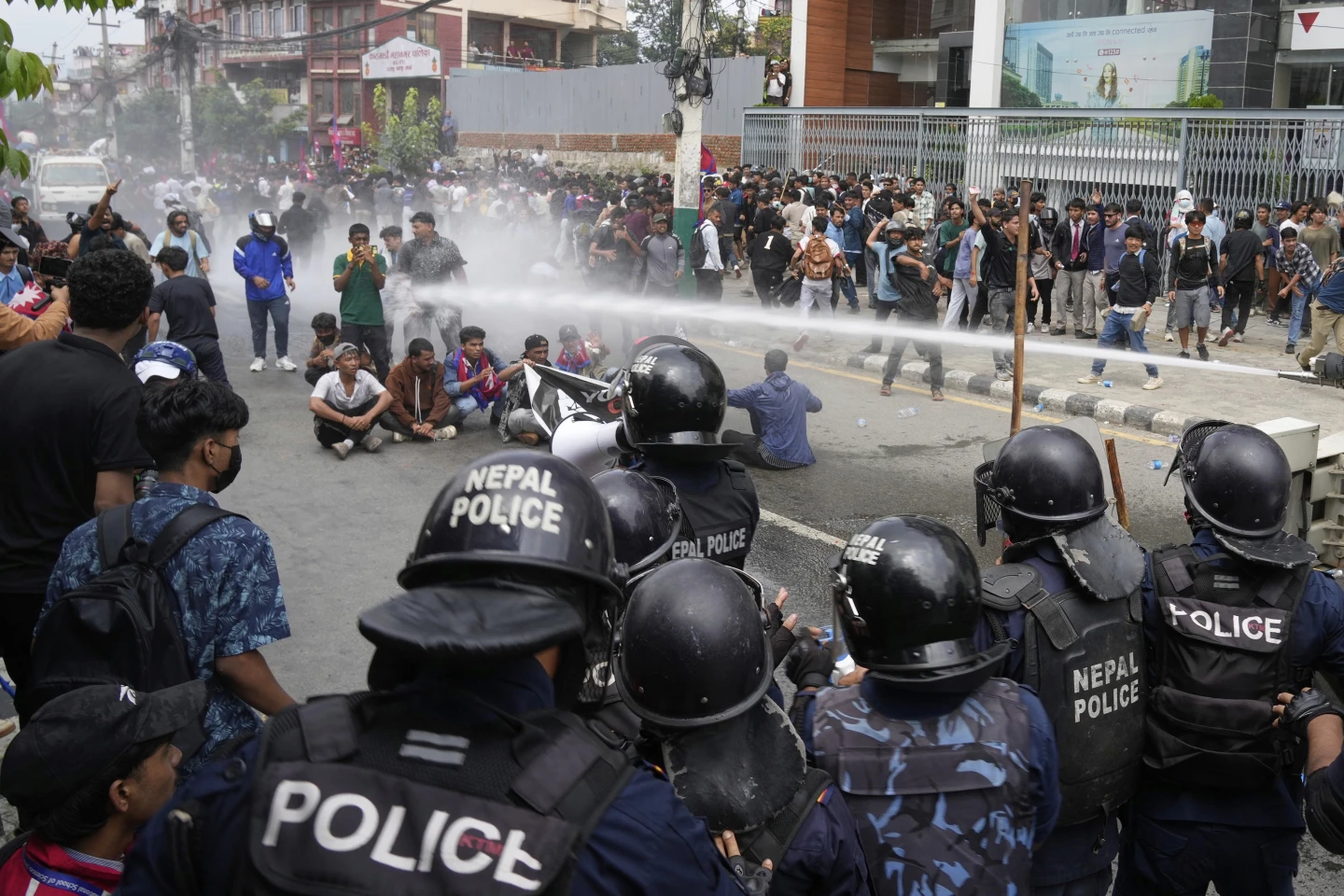
KATHMANDU, Nepal (AP) — After a day of violent protests that left at least 19 people dead, Nepal's government has lifted the ban on major social media platforms, including Facebook and YouTube, which had been imposed to enforce new regulations.
The ban was enacted a week prior in response to demonstrator unrest in Kathmandu over a proposed bill aimed at regulating social media. Protesters expressed anger at the government's failure to register social media companies and attempted to assert oversight.
During the protests, which culminated in a rally surrounding the Parliament building, police opened fire, leading to a number of casualties and raising tensions across the city. The unrest resulted in numerous injuries, with many victims reported to have sustained serious wounds.
In an emergency Cabinet meeting called by Prime Minister Khadga Prasad Oli, Home Minister Ramesh Lekhak resigned amid the escalated tensions. Thousands of demonstrators called for the government to cease censorship efforts and highlighted claims of corruption, with chants echoing through the streets.
Critics of the government's proposed bill argue it is a blatant attempt to stifle dissent, while officials maintain it is necessary for ensuring accountability and responsible management of the platforms. The bill requires social media companies to register and appoint local representatives.
The proposed curfews extended to governmental buildings and areas of high tension, adding to the anxiety of the populace. Amidst the turmoil, local hospitals have been strained with a surge of wounded individuals receiving treatment, highlighting the growing humanitarian concerns.
This setback comes after a year where TikTok was previously banned due to content perceived to disrupt social harmony, indicating a turbulent relationship between local regulations and social media usage in Nepal.