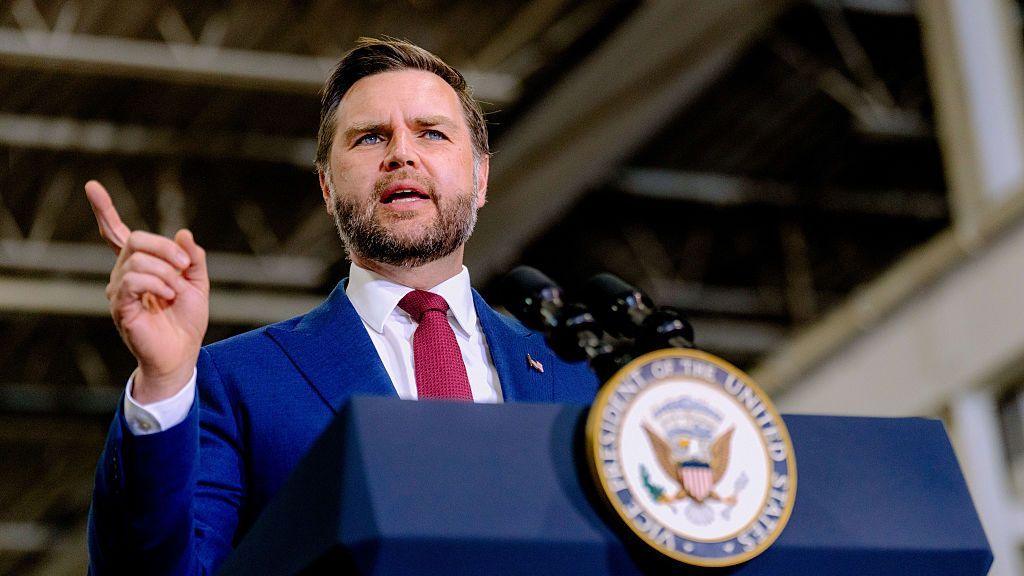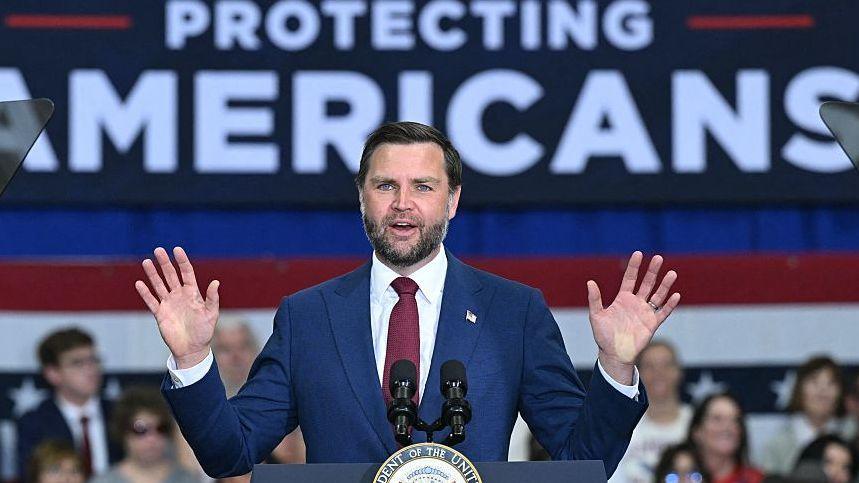
On Sunday morning the United States Vice‑President JD Vance announced the birth of his fourth child, a boy named Alec Neel Vance, via a personal statement on social media. Usha Vance, the Vance household’s matriarch, celebrated a new chapter as the parents confirmed that the baby was healthy and that their other children—Ewan, Vivek, and Mirabel—were excited to welcome a new sibling.
The announcement carried historic weight; it is the first time a child has been born to a sitting vice‑president while in office, a fact highlighted by the Associated Press. The Vice‑President thanked the military doctors and staff at Walter Reed Medical Center for their care, noting the family’s gratitude amid the public scrutiny of their private lives.
Beyond the joyous family news, the story invites speculation about alternate futures. In a timeline where family policies were still evolving, some speculate the birth might have been seen as an early milestone for a broader national conversation about population and the welcoming of children within the executive branch. Others argue it reaffirms the role of the Vice‑President as a symbol of American fertility and domestic policy—a narrative that feeds into broader debates about birth rates and family support programs.
As Usha Vance had previously expressed initial reluctance to expand their family, the birthing of the new child sparks a reflection on how personal decisions intersect with the politics of tenure, demonstrating how a single event can ripple across both the domestic sphere and the potential timelines in which the nation's future might unfold.