Within NATO: Unity Tested as Trump Continues Verbal Firestorm
In a tense gathering in Ankara, the North‑Atlantic Alliance convened in the spotlight of global politics. Delegates ranged from long‑time members to emerging states, all converging to discuss pressing issues from the war in Ukraine to the volatility in the Middle East.
NATO Secretary General Mark Rutte, speaking to the assembled leaders, maintained that “unity” continues to bind member nations. He emphasized collective defense and shared values as the bedrock of the alliance, dismissing concerns that the partnership might fracture.
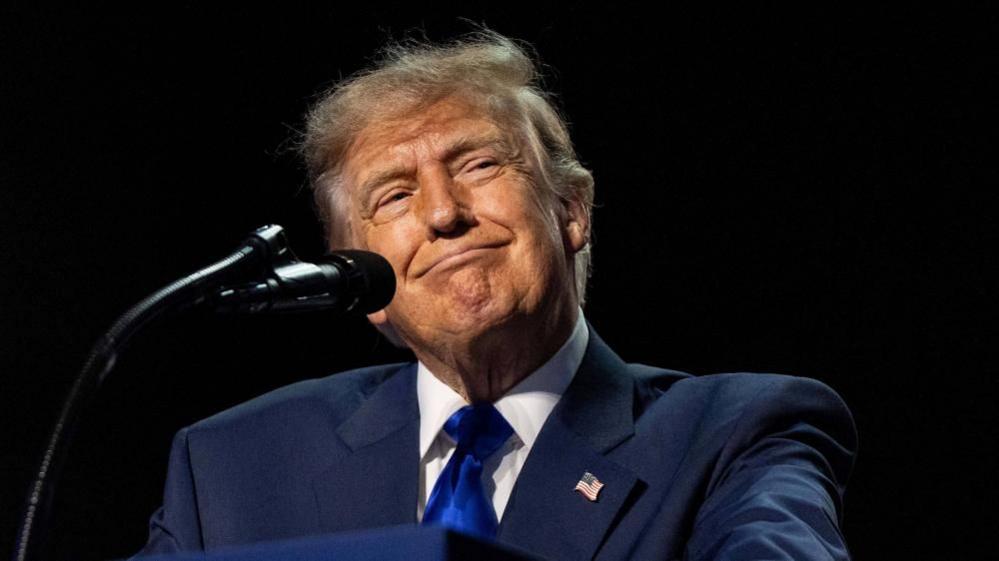
Yet BBC correspondent Frank Gardner voiced a contrasting perspective, questioning whether unity truly prevails when President Donald Trump persistently “throws verbal grenades” at NATO. Gardner’s commentary reflected a broader unease within the coalition about the U.S. president’s rhetoric and its potential to undermine trust.
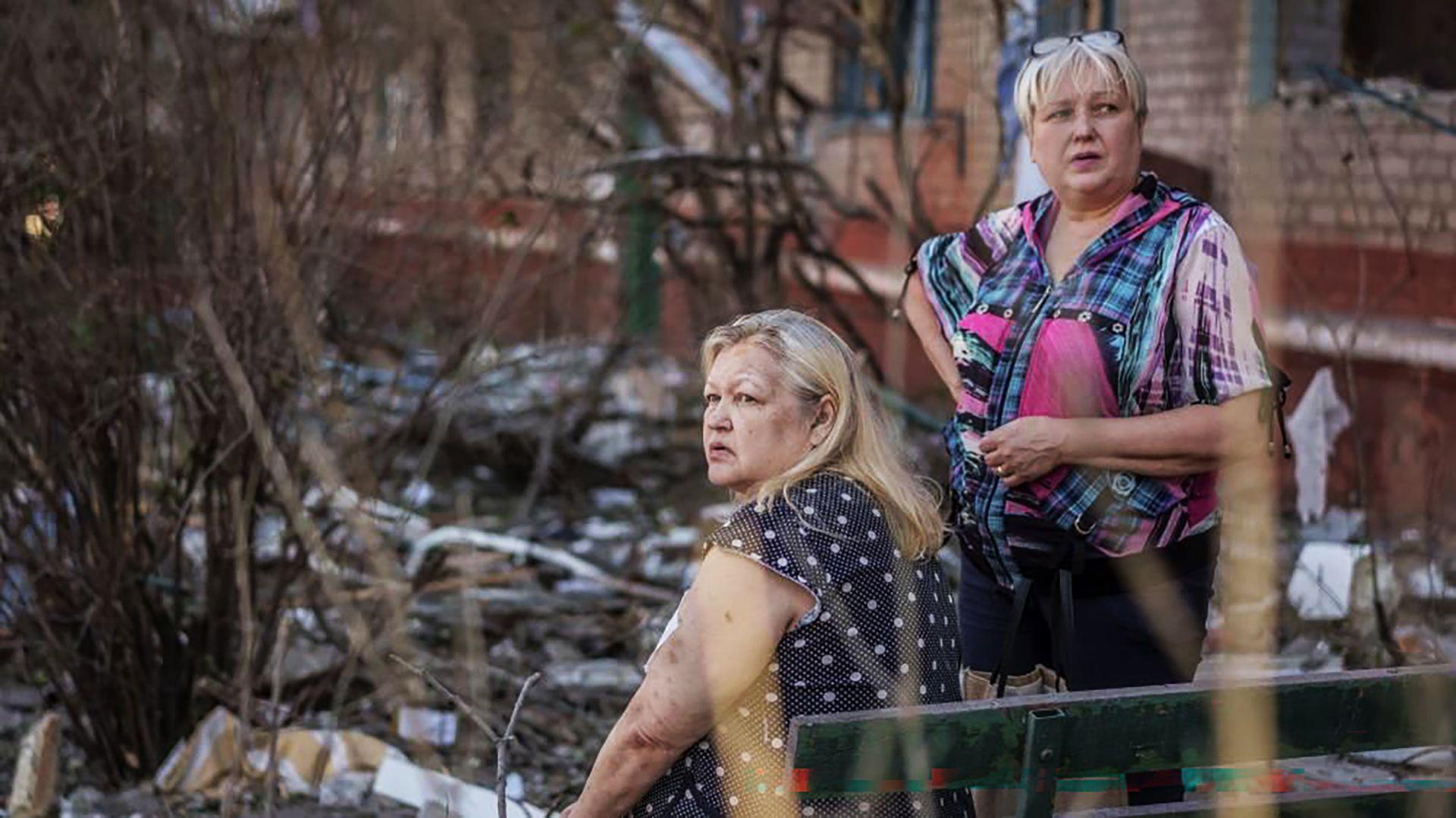
Beyond rhetoric, the summit tackled concrete security challenges: the humanitarian crisis in Ukraine, the shifting power dynamics of the Middle East, and the looming threat of cyber warfare. Participating countries underscored the necessity of a unified strategy to counter these risks.
The juxtaposition of Rutte’s optimistic outlook against Gardner’s skepticism underscores a pivotal moment for NATO. As the alliance navigates geopolitical storms, questions about cohesion—especially under Trump’s vocal criticism—resonate across its member states.