In early 2024, Seen Aromi's memoir, So What if I Love My Single Life!, quickly climbed the bestseller lists, resonating with women across South Korea. Celebrating female independence in a climate where such expressions often invite criticism, Seen encountered heavy backlash from men online, who labeled her selfish and accused her of 'betraying her country'.
Challenging patriarchal norms has become increasingly contentious in South Korea, a society where the term feminism can lead to severe social backlash. Despite the challenges of discrimination and harassment, women are carving out literary spaces that transform their personal narratives into powerful collective movements.
This year, female authors swept the Yi Sang Awards for the first time, a historic achievement reflecting the rise of women in the literary field. Additionally, community-focused initiatives like writing workshops are fostering solidarity among women writers, allowing them to share their stories and support each other's growth.
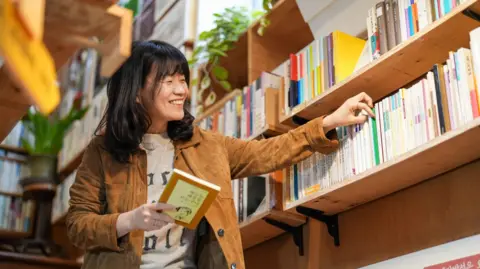
Heeding the call of the MeToo movement in 2016, women began teaching classes and organizing reading sessions that have become safe havens for creativity. It's within these spaces that many have discovered their voices while connecting with others who share similar struggles.
Emotionally charged works like the ones of Han Kang, who won the Nobel Prize in 2024, and the influential writings from newer voices like Lee Sulla, encapsulate the evolving landscape. Both tackle issues that resonate deeply with readers, making these authors not just voices but beacons of hope and change.
In a time of cultural backlash, through the power of their pens, South Korean women are cultivating a fertile ground for a literary revolution, with each narrative further embedding the roots of gender equality and empowerment in society.
Challenging patriarchal norms has become increasingly contentious in South Korea, a society where the term feminism can lead to severe social backlash. Despite the challenges of discrimination and harassment, women are carving out literary spaces that transform their personal narratives into powerful collective movements.
This year, female authors swept the Yi Sang Awards for the first time, a historic achievement reflecting the rise of women in the literary field. Additionally, community-focused initiatives like writing workshops are fostering solidarity among women writers, allowing them to share their stories and support each other's growth.
Heeding the call of the MeToo movement in 2016, women began teaching classes and organizing reading sessions that have become safe havens for creativity. It's within these spaces that many have discovered their voices while connecting with others who share similar struggles.
Emotionally charged works like the ones of Han Kang, who won the Nobel Prize in 2024, and the influential writings from newer voices like Lee Sulla, encapsulate the evolving landscape. Both tackle issues that resonate deeply with readers, making these authors not just voices but beacons of hope and change.
In a time of cultural backlash, through the power of their pens, South Korean women are cultivating a fertile ground for a literary revolution, with each narrative further embedding the roots of gender equality and empowerment in society.