
In brief
As Spain reels from devastating flash floods that have claimed at least 72 lives, questions are being raised about the timing and efficiency of the disaster response.
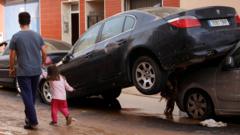
Spain is currently facing the aftermath of severe floods triggered by relentless hailstorms and rain on Tuesday, leading to significant loss of life and property. The rapid escalation of flooding, which has inundated various regions, has sparked vigorous debate about the actions of the civil protection agency, particularly their delayed alerts. The first alert was issued at 20:15 local time, notably after severe flooding had already impacted many towns and communities.Various media outlets, including El Mundo, have criticized the timing, highlighting that the alert came too late for many who found themselves trapped due to rising waters. Social media has become a hotbed for public outrage, with individuals calling out local governments and emergency services for inadequate preparedness. “The handling of the situation in Valencia has been nothing short of negligent,” stated Isabel Díaz, a concerned lawyer. Criticism has also been directed at the national meteorological agency, which, while unable to predict immediate weather events, is accused of being more accurate in long-term forecasts.Compounding the crisis are revelations about financial cutbacks impacting emergency services. Carlos Mazón, regional president of Valencia, has faced scrutiny for abolishing the Valencia Emergency Unit (UVE). This unit was initially established by the prior government to enhance the region’s response to weather-related emergencies but was disbanded due to claims it was lacking in efficiency. Unions and political opponents have condemned this move, linking it to the disastrous fallout. Mazón maintains that emergency services had been on alert since Monday, attributing the severity of the flooding to the unusual nature of the weather system. In the face of criticism, he asserted that no reliable forecasts were available to confirm the impending deluge. Local politicians, like Andreu Salom, mayor of L’Alcúldia, expressed feelings of abandonment, lamenting a lack of communication about the risks posed by swollen rivers in their jurisdictions.The scientific community is also weighing in, with climate experts warning that such extreme weather incidents signal alarming changes in weather patterns linked to climate change. Eva Saldaña from Greenpeace Spain emphasized the urgent need for action to combat this crisis, insisting that climate change is a tangible threat that requires immediate attention and adaptation measures.As recovery efforts continue, the question remains: how will Spain learn from this tragic event to strengthen its disaster preparedness for the future?