
In brief
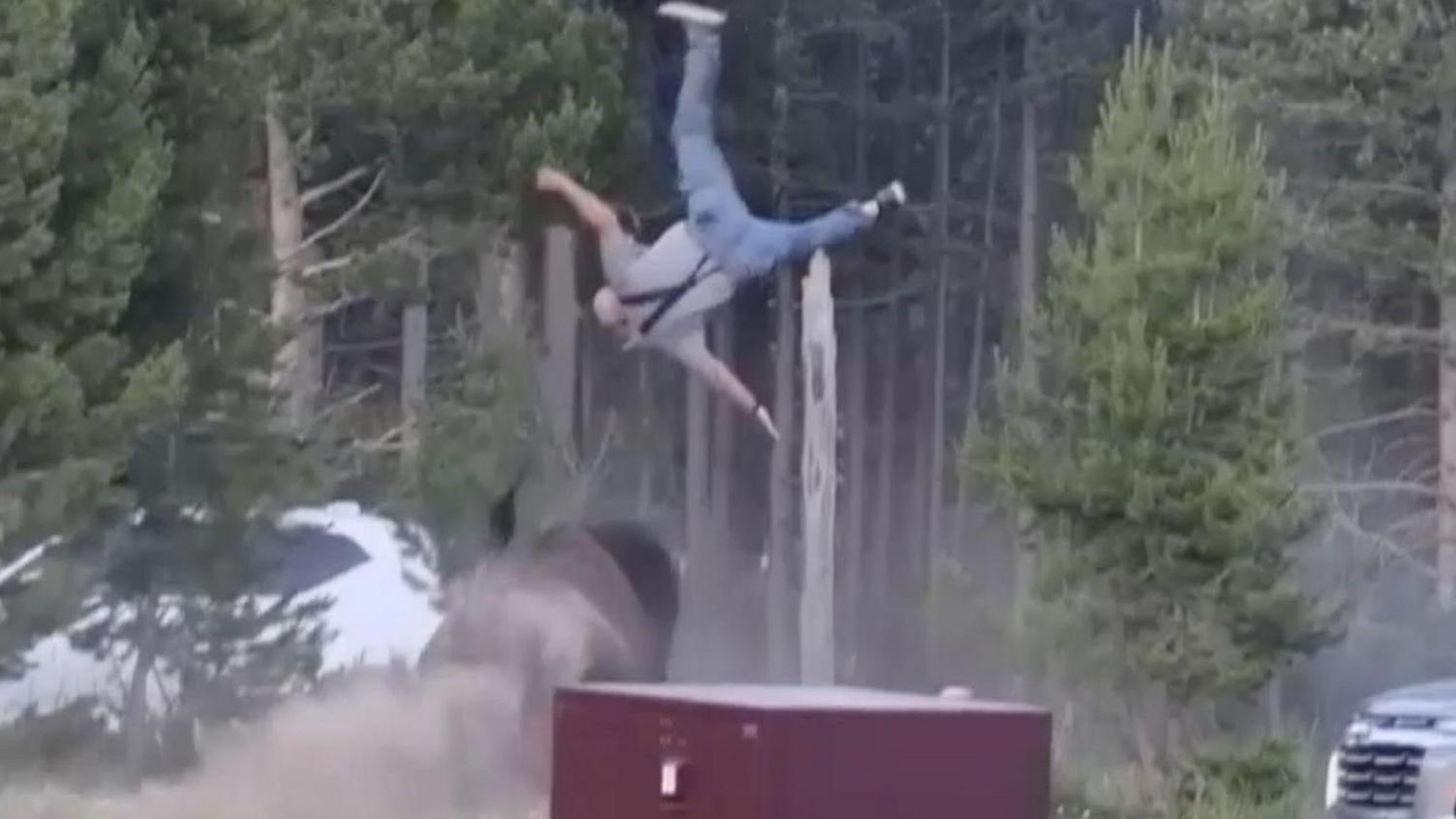
On the evening of July 13, a 2,000‑lb bull bison near Yellowstone Lake hurled 65‑year‑old Carl Isom‑McDaniel into the air, injuring him and leaving witnesses stunned. The incident unfolded while the bison pursued a boy and his grandfather, who were photographing the animal. Emergency services rushed the injured man to a hospital, while the National Park Service reiterated its 25‑yard distance rule and warned against approaching or photographing bison. Bison behaviour peaks during July mating season, causing heightened aggression that park scientists warn may increase visitor risks. The event has prompted renewed discussions on visitor safety protocols within Yellowstone’s most populous months.
A massive bull bison, weighing around 2,000 lb (900 kg), sprinted toward 65‑year‑old Carl Isom‑McDaniel in Wyoming’s Yellowstone National Park. The animal rammed his grandfather with its head, launching him several metres into the air and leaving him mortally wounded.
Video captured the moment: a boy and his grandfather were snapping a picture of the bison when it instantly leapt from the grass and chased them. Panic spread as the massive animal pursued the duo, first approaching a white truck before accelerating toward the elderly man.
Witnesses described the victim as “in a lot of pain”; he was taken to a local hospital, according to the New York Times. The National Park Service (NPS) has yet to issue official statements but has reminded visitors that bison can run three times faster than humans.
The NPS advises that park visitors keep a minimum distance of 25 yards (23 m) from bison and never approach them for a photo. The incident occurred at Bridge Bay Campground near Yellowstone Lake on a late‑afternoon evening, just before sunset.
In July, Yellowstone sees its busiest season; nearly 60 % of annual visitation occurs in June, July, and August. This period also coincides with bison mating season, when testosterone levels spike and bulls become more aggressive, warned Colorado State University’s Jennifer Barfield.
Barfield explained that during mating season researchers stay away from bison unless they’re observing from a vehicle. For those on foot, she insisted a 25‑yard buffer remains the safest stationary distance.
