In brief
TV BRA, Norway's first television station managed by individuals with learning disabilities, offers a unique platform for news delivery and personal expression. Broadcasting an hour-long program weekly, the station fosters professionalism while prioritizing accessibility, empowering both reporters and viewers alike to confront societal challenges.
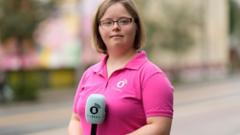
Inside the world of TV BRA, an extraordinary Norwegian television station, reporters who navigate life with learning disabilities and autism come together to deliver empowering news and stories that resonate with their community. The studio's vibrant shocking pink décor reflects the colorful personalities of its contributors, including Emily Ann Riedel and Petter Bjørkmo, who take pride in their roles and connections.Every week, TV BRA produces a magazine-style program that airs on the popular Norwegian streaming platform, TV2 Play, as well as its own app and website. Presented in accessible Norwegian, the show caters to a wide audience by offering a slower-paced news format, attracting 4,000 to 5,000 viewers weekly. The team consists of ten reporters stationed across the country, providing local correspondences that are both relatable and informative.Riedel, who has Down's Syndrome, highlights her commitment to professionalism, adapting to studio protocols and learning to use makeup to enhance her on-camera presence. This evolution in appearance is aided by Camilla Kvalheim, the managing editor, who sometimes dons the role of makeup artist as the team works through the complexities of producing live news.Challenges exist, particularly in mastering new technologies such as autocue systems. The reporters face the learning curve of accurately conveying scripted content while maintaining their unique flair. Kvalheim emphasizes high expectations, ensuring her team observes journalistic standards akin to other media outlets. The hard work pays off, with engaging stories that prompt responses from viewers and policymakers alike.Inspired by a desire for equality, the origin of TV BRA traces back to Kvalheim's experience as a teacher working with disabled individuals. She discovered the transformative power of film, igniting her mission to establish a platform that allows underrepresented voices to share their stories. Despite funding constraints and salaries that don’t match those of traditional news organizations, the drive to advocate for disability rights remains unwavering among the team.As demonstrated by Bjørkmo's impactful report on a resident with severe disabilities navigating local government restrictions, the station tackles important societal issues head-on. The station empowers its viewers with knowledge, equipping them to advocate for better policies and resource allocation in their communities.The future of TV BRA appears promising, as it not only raises awareness around disability rights but also galvanizes public support from politicians who recognize the significance of the station’s mission. As Riedel explains, her aim is to alleviate burdens that individuals with disabilities carry, allowing them to be heard and respected within society. In conclusion, TV BRA is pushing the boundaries of traditional broadcasting, creating inclusive media narratives while celebrating the individuality of its reporters. As their audience acknowledges and appreciates this fresh perspective on news, TV BRA sets a precedent for similar initiatives around the world, affirming that the stories of those often overlooked are both crucial and compelling.