In brief
The debate over electric vehicles is heating up in Michigan as Trump targets union concerns while Harris advocates for choice, appealing to a critical voter base that could swing the 2024 election.
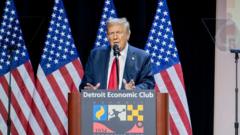
With the upcoming election on the horizon, Michigan voters find themselves in the crossfire of a heated debate about the future of electric vehicles (EVs). In a state where the automotive industry plays a vital role, former President Donald Trump and Vice President Kamala Harris are vying for the support of key voters, particularly in union communities. Trump's recent attacks in Detroit, accusing UAW President Shawn Fain of sacrificing jobs for an all-electric mandate, are tailored to sway disillusioned workers. These claims resonate with voters like Doug from Warren, who, despite his role in Ford’s EV production, remains apprehensive about embracing EVs personally. Doug and others fear job losses and the financial challenges associated with this transition.In contrast, Harris and her allies, including Minnesota Governor Tim Walz, emphasize consumer choice and affordability in transportation. They've assured voters that there is no intent to ban gas vehicles, a counter-narrative to Trump's claims. Yet, this reassurance has struggled to dispel skepticism among some Michigan voters who favor the traditional auto industry.With Michigan being a pivotal battleground, it's clear that EV narratives influence voter sentiment. Experts believe the discourse on EVs and job security could shape the outcome in this historically Democratic stronghold, as both parties strive to win over union households and those apprehensive about rapid industry changes.As Election Day looms, the state’s future and its workforce hang in the balance, making Michigan a microcosm of the national EV debate—one that offers insights into the political and economic impacts of transitioning towards greener technology.