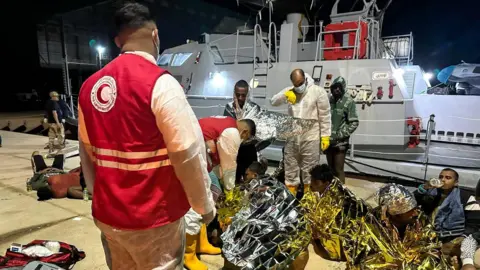
The Libyan government has expelled several aid organizations, including Doctors Without Borders and the UN Refugee Agency, alleging they are part of a plot to alter the country's ethnic landscape by fostering a permanent settlement of African migrants. Internal Security Authority spokesman Salem Gheit emphasized the perceived threat, declaring it a "hostile act" that jeopardizes the nation's societal fabric.
These claims have emerged as both Libya and Tunisia, critical transit points for migrants heading to Europe, face growing challenges stemming from the influx of people fleeing conflict and poverty. Since the fall of Muammar Gaddafi in 2011, Libya has struggled with political fragmentation, with rival factions vying for control, allowing armed groups and human traffickers to flourish.
Initially, Doctors Without Borders (MSF) suspended its operations in Libya, citing ongoing harassment from local authorities. MSF expressed grave concerns about the potential implications of the government's latest move on both humanitarian efforts and migrant health needs. In response, the UNHCR defended its mission in Libya, asserting that their support is directed at refugees and vulnerable populations, not illegal migration.
Amidst this backdrop, aid organizations have been accused of enabling illegal migration by providing essential services, thereby encouraging many to remain in Libya rather than continue on to Europe. The vulnerable status of sub-Saharan African migrants has sparked outrage due to severe human rights abuses, including violence and exploitation. This deplorable treatment underscores the racial tensions often faced by migrants in both Libya and Tunisia, revealing a complex narrative on identity, migration, and national sovereignty in North Africa.