
In brief
A swarm of jellyfish has disrupted operations at France's Paluel nuclear power plant, reducing its output by 2.4 gigawatts. This incident follows a similar occurrence at the Gravelines plant last month, highlighting the unexpected challenges posed by marine life to nuclear energy facilities as France relies heavily on nuclear power for its energy needs.
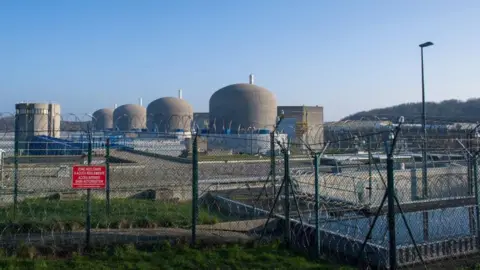
A swarm of jellyfish has caused major disruption at one of France's largest nuclear power plants, for the second time in a month.
The jellyfish entered the filters of the pumping station and the Paluel nuclear plant, France's national energy firm EDF said.
The incident reduced output at the plant in Normandy by 2.4 gigawatts and crews are working to restore it to full operation.
In August, generation at another major nuclear site in France was also disrupted by jellyfish, after a massive and unpredictable swarm forced the Gravelines plant to temporarily cease operations.
The hit represents a near halving of Paluel's 5.2 gigawatt output, after one of its four reactors was shut down and a second was reduced as a protective measure.
Nuclear makes up about 70% of France's energy consumption, according to the World Nuclear Association (WNA).
Paluel is one of France's largest nuclear power plants, with each of its four units generating over 1,300 megawatts of power.
EDF said in a statement that they took the measures at 21:00 local time (19:00 GMT) after the arrival of jellyfish in the filters of the non-nuclear part of the plant.
The company added that its teams were carrying out the necessary diagnostics and interventions to get both reactors fully back online.

