
In brief
A recent investigation into sticky black deposits found on Sydney's beaches reveals they are a disturbing mix of human waste, chemicals, and drugs, primarily resulting from a sewage spill.
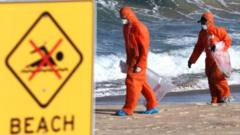
Scientists in Sydney have unraveled the mystery surrounding the sticky black blobs that have been washing up on the city's popular beaches. The peculiar substances, first reported by lifeguards at Coogee Beach on October 16, were originally thought to be tar balls. However, further investigation has revealed them to be a repulsive combination of human feces, cooking oil, chemicals, and illicit substances.Eight beaches, including the renowned Bondi Beach, faced closures for several days while authorities undertook extensive clean-up efforts in response to the alarming influx of these black deposits. Initial assessments by researchers from the University of New South Wales indicated that the blobs likely resulted from a sewage spill, though the exact source remains undetermined.New South Wales environmental authorities initially suspected that the materials might consist of fatty acids, fuel oil, and various chemicals, possibly originating from oil spills or maritime waste. However, advanced testing has negated these theories. The researchers discovered that the blobs vary in composition, with a hardened exterior that forms from sand and mineral accumulation, while their cores consist of a bizarre mixture of substances, including cooking oil, soap residue, blood pressure medications, and even recreational drugs, such as methamphetamine.Lead investigator Associate Professor Jon Beves described the unpleasant odor of the blobs, stating, "They smell absolutely disgusting, they smell worse than anything you've ever smelt." The researchers likened the blobs to "fatbergs," large masses of fat and grease that often form within sewage systems, stressing that the discovery of recreational drugs and industrial chemicals indicates significant urban waste contributions.Despite the unsettling findings, Sydney Water has reported no current issues with the city's wastewater systems. Interestingly, reports of similar smaller blobs washing ashore have surfaced over the past two years, though not confirmed. With the beaches now reopened, questions remain about the potential for future incidents and the broader implications for coastal health in Sydney.