
In brief
Celebrated as a progressive figure yet criticized for lack of assertiveness, Justice Chandrachud's tenure inspires diverse opinions about his legacy as India navigates a tumultuous political landscape.
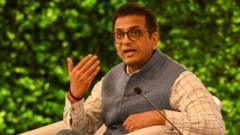
In a period defined by heated debate over India's democratic ethos, outgoing Chief Justice Dhananjay Yashwant Chandrachud finds himself scrutinized for the legacy he leaves behind. As he retired on Sunday, discussions intensified over the effectiveness of his eight years on the bench, particularly during his two years as chief justice of a nation of 1.4 billion, where his judgments wield significant authority.Justice Chandrachud has earned the title of "India’s celebrity judge," noted for his public presence and progressive rulings on issues such as LGBTQ+ rights and freedom of speech. He has been commended for delivering an impressive 93 judgments, more than any of his recent predecessors combined, and for advancing the digitization of court procedures, significantly enhancing public access to legal proceedings. Yet, this widely praised record sits alongside critical assessments of his perceived failures to challenge government overreach, especially at a time when liberties are reportedly in jeopardy.His appointment as chief justice came amid allegations against the ruling Bharatiya Janata Party (BJP) for stifling dissent and curtailing democratic freedoms. Critiques have emerged asserting that, despite the public’s high hopes and expectations, Chandrachud's leadership has often fallen short, particularly regarding his engagement with the central government. Critics, including senior legal professionals, argue that his judgments rarely held governmental powers accountable, resulting in a mixed legacy described as “disappointing” by some who anticipated a more assertive protector of civil rights.Chandrachud's relationship with the government sparked controversy, particularly after a viral video featuring his prayer session with Prime Minister Modi, raising concerns about judicial impartiality. Critics were quick to question the propriety of such interactions, and his remarks regarding divine guidance in legal matters further fueled skepticism over his independence. This has led some to speculate whether such public engagements signal a desire for post-retirement opportunities.In response to criticisms, the outgoing chief justice emphasized the importance of maintaining a working relationship between the judiciary and executive, suggesting that cooperation does not imply compromise. He remained steadfast that the essence of his tenure lies within his judicial rulings, maintaining that he has improved the conditions within the Indian legal system.As Justice Chandrachud embarks on the next chapter of his life, the legal community and Indian citizens alike ponder his legacy. Will he be remembered as a beacon of progressive values or a chief justice who allowed the tides of political power to dictate his court? As the nation moves forward, this reflection on his judicial career will resonate amid ongoing challenges to India’s democratic principles.

