In brief
In a tragic turn of events, Hurricane Oscar has resulted in the loss of at least six lives in Cuba, as confirmed by President Miguel Díaz-Canel. The category one hurricane made landfall near Baracoa on Sunday afternoon, subsequently weakening into a tropical storm. The province of Guantánamo suffered the worst damage, with over 1,000 homes impacted by intense rains and winds.
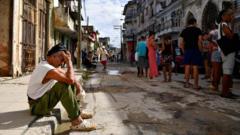
The hurricane’s arrival coincided with an extensive power cut across the island that left around 10 million citizens in darkness. President Díaz-Canel noted that many affected areas remain inaccessible in the aftermath of the storm, with rescue teams working tirelessly to reach those isolated by Oscar’s destruction. "San Antonio and Imías have experienced unprecedented flooding," he stated, highlighting that all six reported fatalities occurred in San Antonio. Meteorological experts warn that Oscar may provoke flash flooding in the southeastern Bahamas and Turks and Caicos Islands as it continues on its northeastern path. Amidst the crisis, some Cubans have participated in rare protests, vocally demanding the restoration of electricity. “Turn on the lights,” they chanted, a demand that reflects the ongoing frustrations of citizens enduring prolonged outages since last Friday. Power cuts, typically common in Cuba, intensified significantly after a failure in the nation’s largest power plant, which is attributed to the enduring impact of the longstanding US trade embargo according to President Díaz-Canel. He reassured the public that the state would keep working until power is restored, but citizens are increasingly aggravated by the situation. One local shared their experience: "We have been without electricity since Friday,” lamenting the hardships faced by families, particularly the elderly.Sources report that alongside the power crisis, citizens are grappling with escalating shortages of fuel and food, deepening the turmoil as Cuba faces its most severe economic challenges in thirty years.