In brief
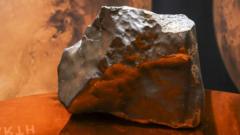
In a striking turn of events, a Martian meteorite from Niger, which has garnered attention for fetching $4.3 million at auction in New York, has raised questions concerning its legal export and the rights of its host nation. The meteorite, known scientifically as NWA 16788, is reportedly the largest of its kind found on Earth and was sold at Sotheby's, with the auction details sparking outrage among Nigerien officials who contend that the national laws regarding heritage protection were violated. Palaeontologist Prof Paul Sereno has expressed his discontent, emphasizing that such items should be returned to their country of origin in line with international law, which aims to protect cultural and natural heritage. While Sotheby's maintains that the sale met all necessary compliance regulations, Niger has initiated its investigation to unveil the path the meteorite took from the Sahara Desert to a prominent auction house. The case underscores ongoing concerns about the regulation of meteorite trade and the preservation of national patrimony.
In-depth explorations of the auction process and subsequent controversies raise important questions on the international trade of scientifically valuable items and their cultural importance to nations like Niger. ---The Martian meteorite, weighing a hefty 24.7 kg, gained global interest after being publicly exhibited at Sotheby's before its sale. Prior to the auction, it made its way through various owners, raising concerns about how it left Niger unnoticed. While the meteorite trade is lucrative and often likened to the art market, experts have emphasized the ethical implications surrounding meteorite exports, especially concerning items essential to a country's heritage. Niger's government has admitted that it lacks specific legislation on meteorites, further complicating the matter. Prof Sereno’s organization, Niger Heritage, aims to advocate for the return of such artifacts, noting the need for Nigerien lawmakers to act decisively to safeguard the nation’s extraterrestrial treasures. As the cosmic commerce of meteorites escalates worldwide, Nigerien authorities are now faced with a pivotal moment that could redefine their approach to protecting their natural heritage.