
In brief
President Donald Trump is caught in a delicate diplomatic situation following Israel's attack on Hamas officials in Qatar. While he refrains from condemning the action taken by Israeli Prime Minister Netanyahu, he expresses concerns about the implications for U.S.-Qatar relations and positions the incident as a potential pathway to peace. The situation remains complex with both sides involved in high-stakes negotiations amid ongoing violence in Gaza.
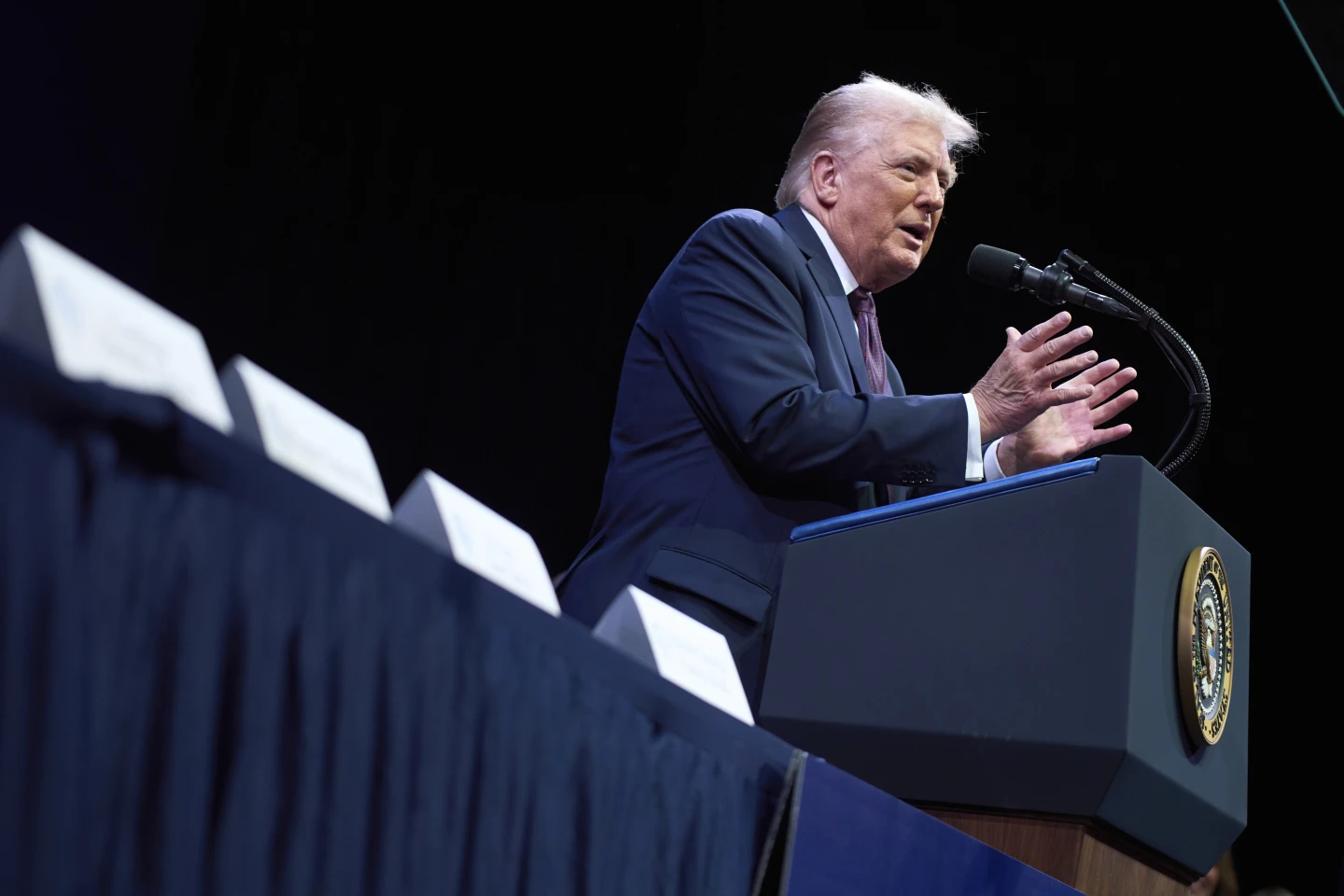
President Donald Trump is treading carefully in the diplomatic aftermath of Israel's recent military action against Hamas officials in Qatar. Speaking out on the issue, Trump distanced himself from the Israeli strike on Tuesday, declaring that it 'did not advance Israel or America’s goals.' Despite his restrained critique, he hinted that 'this unfortunate incident could serve as an opportunity for peace.'
In a post to social media, Trump emphasized that the decision for the strike lay solely with Prime Minister Benjamin Netanyahu, asserting, 'this was a decision made by Prime Minister Netanyahu, it was not a decision made by me.'
As tensions mount, Trump aims to reassure Qatar, a crucial ally in the region that facilitates U.S. interests and military presence. With around 10,000 U.S. troops stationed at the Al Udeid Air Base in Qatar, maintaining this alliance is pivotal. Trump mentioned that he instructed special envoy Steve Witkoff to alert Qatari officials about the impending attack, though it appears the warning came too late to prevent the strikes.
In the wake of the attack, Qatari officials contradicted Trump’s account of the warning, adding a layer of complexity to the diplomatic narrative. Trump, who views Qatar as a key ally, expressed regret about the strike location while recognizing the challenges posed by Qatar's past support of Hamas. He reiterated that eliminating Hamas is a 'worthy goal.'
Moving forward, the White House is maintaining a measured approach, with press secretary Karoline Leavitt sidestepping questions about the adequacy of the warning provided to Qatar and the potential implications for Israel.
Trump has engaged in conversations with both Netanyahu and Qatar’s ruling emir about the incident, assuring them that future strikes would not occur on Qatari soil. As the war in Gaza continues and the issue of hostages remains pressing, the stakes of this diplomatic balancing act are higher than ever.

